Interview
Editing as creation: Greger Ulf Nilson on
framing the vision for Hanataba and Songen
Interview & Text:
IMA ONLINE
Presented by Sigma
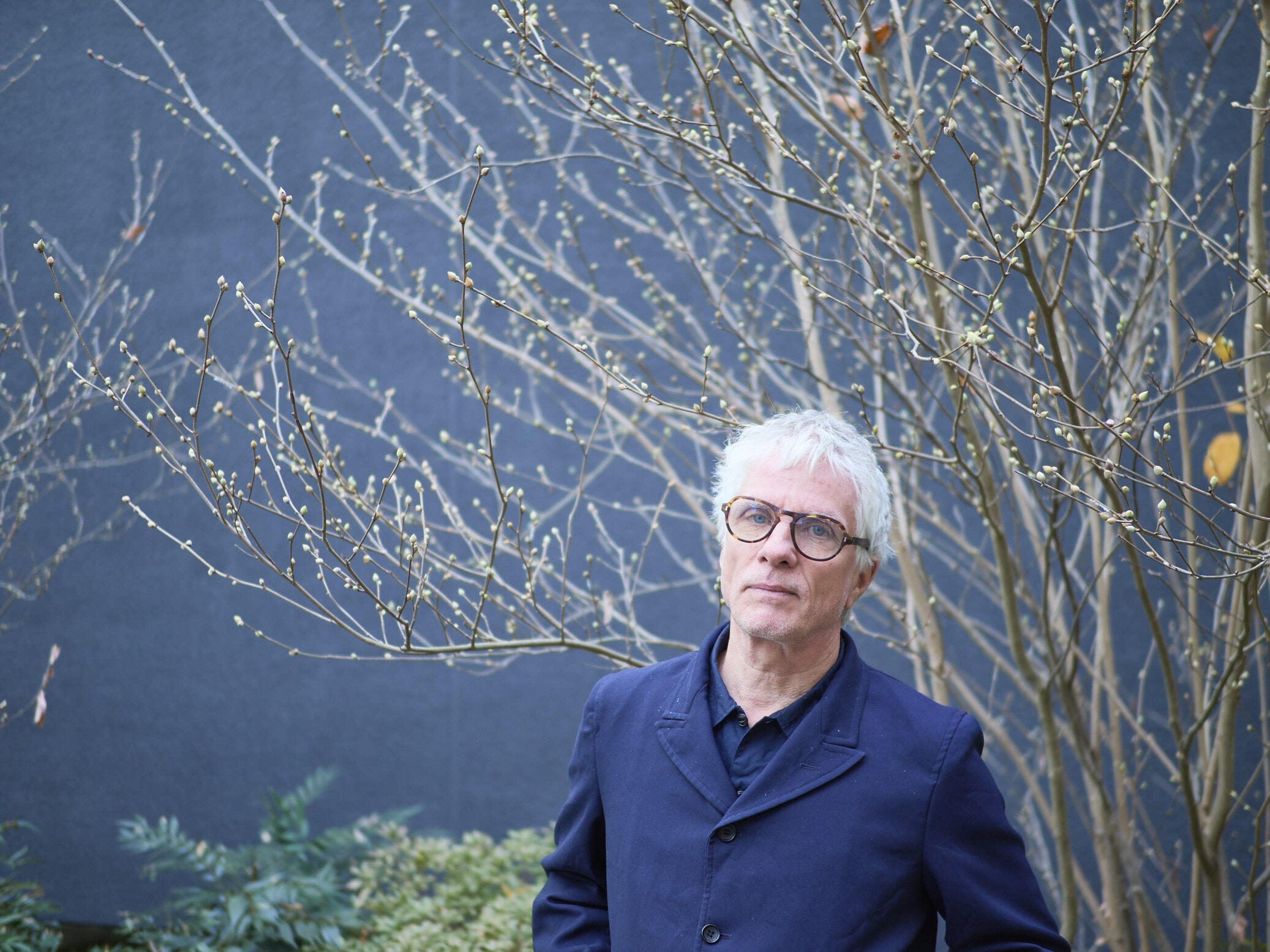
While Sølve Sundsbø’s Hanataba and Julia Hetta’s Songen offer vastly different visual languages, they are bound by a shared philosophy. At the center of this synergy is Greger Ulf Nilson, the designer and editor behind both works. For Nilson, the priority is never just "beautiful images," but rather the narrative and the overarching vision. In this interview, he discusses the intimate marriage between photography and the book, editing as a creative act, and the profound respect required to give images a lasting life.
Photography: ©Mie Morimoto, Courtesy of IMA
Interview & Text: Ivan Vartanian
ORIGINS OF THE SIGMA FOUNDATION PUBLICATIONS
――How did these two books come about?
When Sigma was starting the Sigma Foundation, I was contacted by my friends at Stockholm Design Lab, who Sigma has a collaboration with. They asked me if I wanted to be part of this project. Of course I said yes. I thought it was both honorable and very interesting.
So far we have started with two book projects, one of which is an artist residency in Aizu, Japan. The idea was to have a foreign photographer’s eyes on the area.
For me, Julia Hetta was the perfect choice. She has an amazing eye and sensibility. She was asked to go to Aizu, do anything she wanted, and just make me astonished through her photography. It needed to be in the Aizu region, that's it, there were no other limitations to her project. We would both be surprised by the results.
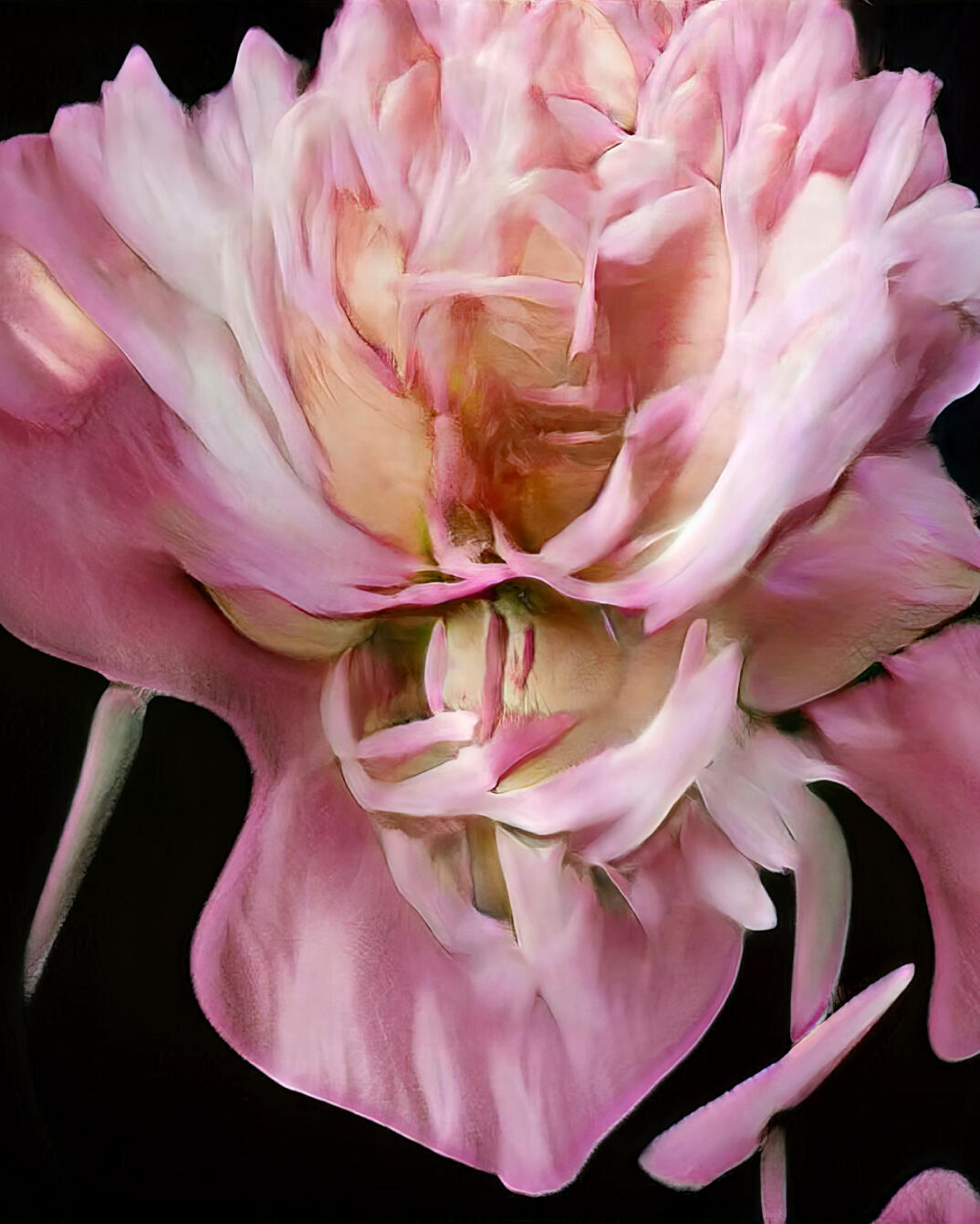
On the other hand, we did a project with Sølve Sundsbø, and like with Julia, I have worked with Sølve for a long time. I knew he had the flowers project, but no one had seen it yet. Sigma Foundation decided that they wanted to contribute to making the project public through a book.Sigma Foundation is about the whole range of photography—promoting the differences of photography.
――What's the significance of Aizu?
Sigma's factory is based in Aizu and has a genuine presence in the local culture.
I think it is amazing for many different photographers to work on the same geographical place, because we have so many different eyes on it. In the end—like if Sigma Foundation makes the 20th book from the Aizu region—there will be a whole range with completely different eyes and voices on Aizu.
――Tell us about Julia's residency.
Julia was given minimal limitation to her work. She didn't know what was going to happen before she went.
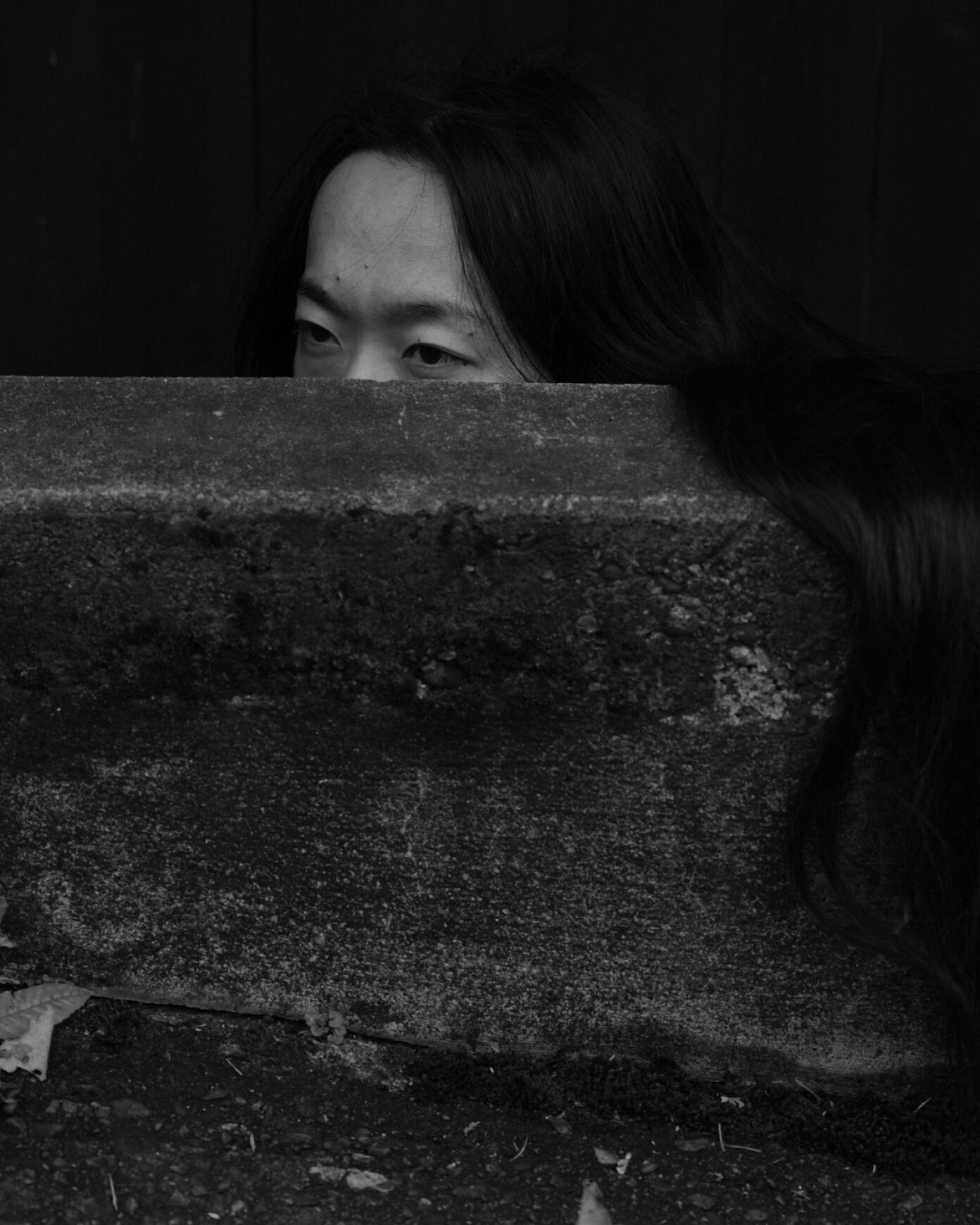
She went with Shin Yatagai, a Japanese photographer who had been her assistant in Stockholm. When she was going to Aizu, Julia called Shin and said, 'Can you come with me to be my translator?' Julia was taking photographs, but then Shin ended up in the pictures. So he became the story in the story of the residency.
She came home, showed me the images, and I said, 'It is such a beautiful story and I think it needs Shin’s voice as well.'
Julia and Shin's roles – geographically speaking – were reversed.
Now Julia was a stranger in Japan. Before Shin was a stranger in Sweden. I thought that juxtaposition was really interesting.
――How did you develop the text?
I asked Shin to write about when he first met Julia and their connection. The text came and it was a bit too polite. I wanted it to be more poetic. I said, 'Please Shin, you don't need to be super polite. Be more free.' I pushed him and after the third time, the text was more free and poetic.
Then I thought, maybe it should not be him writing about himself. So there's one really important person in this book called Lars Forsberg, who is a writer. I gave the text from Shin to him, and he rewrote it in the third person. But with Shin's words. So it's Shin's words, but Lars gave it a different form.
When I saw Julia's images, I thought, we need to put text in it. And make Shin also a voice, not just a subject. The text is extremely important in the book. You can read the book and understand why he's there. With the text together with images, it became a beautiful saga. The whole book is about them.
The title comes from how we interpreted Shin’s inner values – Dignity (SONGEN)
IDEA OVER GOOD IMAGES
――That's more than art direction.
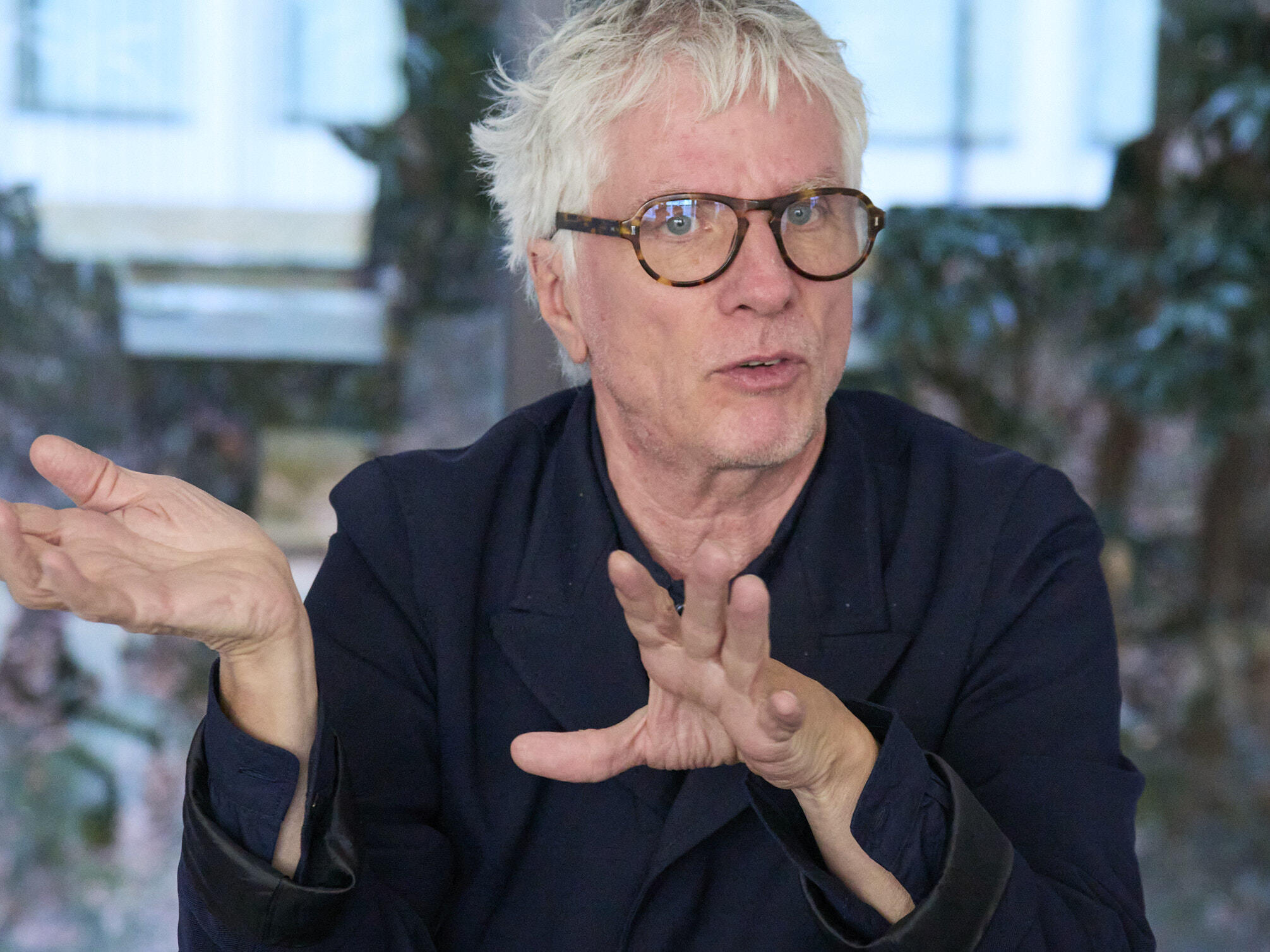
That's how I like to work. To have a close collaboration with the artist. I'm not interested in just designing a beautiful book. The content is what's important and of course I will do my best as art director and designer to give the book a beautiful form for both the eye and the gut.
Today, when so many books are coming out—there are a lot of good images, but many take the form of a portfolio – a book requires more than that. It's not enough to just have "good" pictures, it requires much more than that today—we can go on Instagram and see as many "good" pictures as we want. But they are just good images.
So editing and sequencing and the idea of the whole is the most important thing. When you see books, the ones that are still so good have that. It's never just good images.
It's like the Rolling Stones album —'The Best of the Rolling Stones' is always a boring album. But you like to have 'Black and Blue.' The 'best of' is never fun.
If you have something to tell, if it is a story—that's the content. And if you don't have that, I think it's a waste of paper, to be honest. Today more than ever, because otherwise we can look at single images at the screen on your iPhone.
――Why are books the perfect medium for photography?
Photography and books are the perfect marriage. There is no other art form that is so good in books, besides words. It's two-dimensional and perfect. If you have paintings or sculptures in a book, it's just references. But photography and books are sometimes even better than having an exhibition. You can sit with the book alone in contemplation – you and the book in all senses.
When I do books, I'm not designing for the eye only. I design for your stomach and for your hands—tactility. Because books are an activity. This is something you have.
At the fair, people look at books—if they just look and see an image, they wouldn't buy it just from seeing the image. They want to hold the book and feel the paper. You see with all people that buy books—the final decision is like, 'I buy this book because it has it.'
――Tell us about designing Hanataba.
I wanted to make the book as small as possible. This was the smallest I could do with these images. I tried 10 different formats. In the end I came up with this size, I thought they needed a certain size. I made the book in the Golden Ratio. And that means he had to extend the image – they were square from the start.
Sølve was 100% fine with that. 'Yeah, let's do that.' Just because we wanted this feeling of the book. This is a good example of having confidence and trust in each other.
For the editing I made it like a bouquet. Like if you go into a flower store, the white ones are there, then the red ones come. The harmony of colors and a beautiful bouquet. First we gave the book the title ”Bouquet”, but then I googled the word and got the Japanese word for bouquet – Hanataba. I thought it was even more beautiful and unique. So, art by accident – sometimes you get lucky.
Then we wanted to give names to all the flowers. I said, 'Let's take flora from the 18th century famous botanist Carl von Linné. His most manifest legacy is, however, the ingenious binomial system for naming species, with the genus name followed by a specific epithet. So we take all his names and put it in AI and get new names. So we got names that don't exist on flowers that don't exist.
――What's your vision going forward?
Sigma Foundation is a celebration for photography, which I believe is a beautiful thing. It will be about the diversity of photography; old masters as well as young people, new talents. It's not only going to be books – it will be exhibitions or whatever that feels relevant, interesting and hopefully surprising in a world of photography. For the books we make, they will all have different shapes to best suit the content, sometimes maybe it could be stapled bound. It doesn't need to be fancy expensive books. It could be a tabloid.
In my collection of books at home, the favorites are always a treat for both the eye and the stomach.
Other articles