Interview
Julia Hetta’s vision of "Songen" in Aizu:
Choosing to let go of control.
Interview & Text:
IMA ONLINE
Presented by Sigma
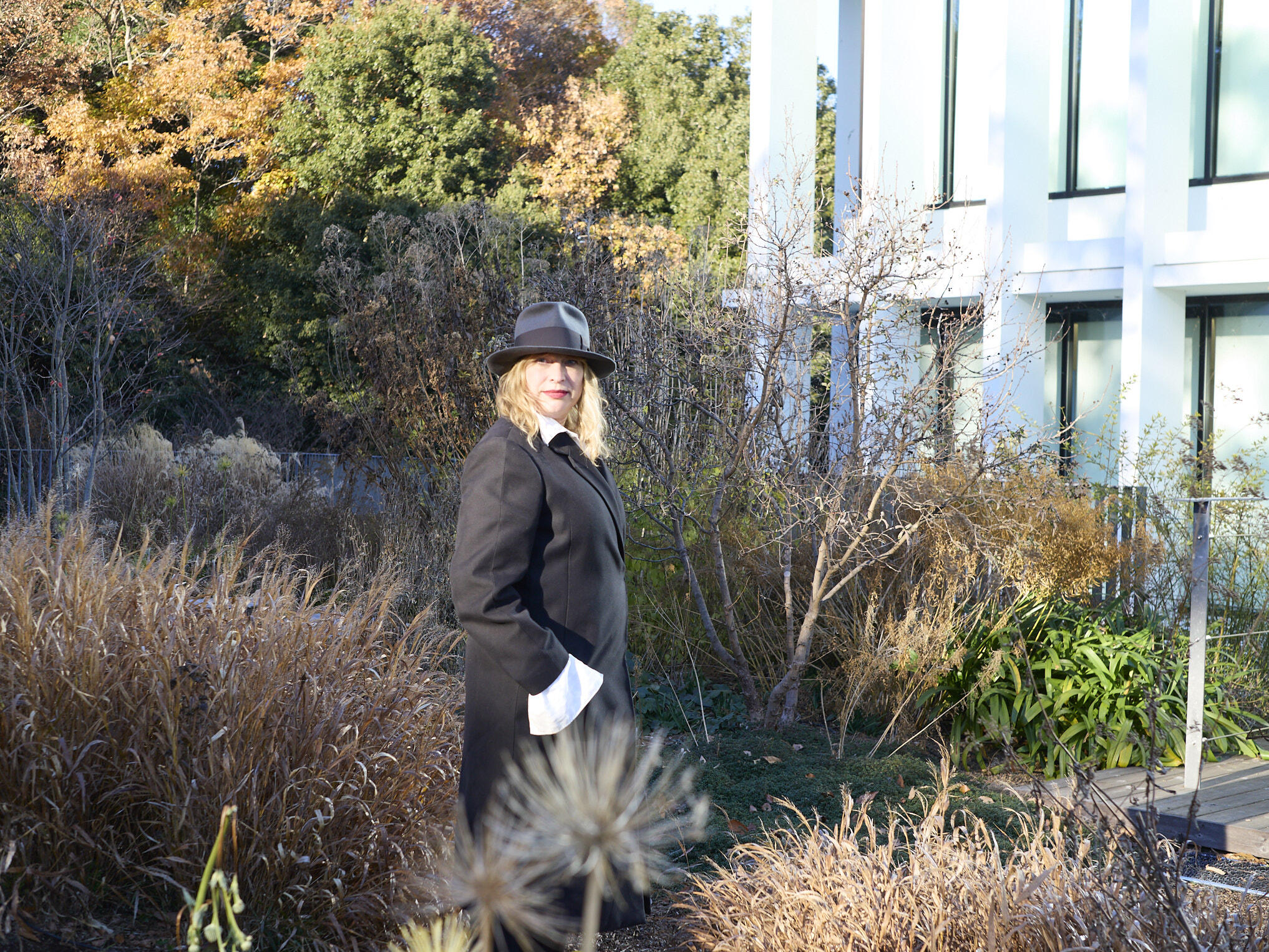
As part of the Sigma Foundation residency program, photographer Julia Hetta traveled to Aizu, Fukushima, to create her photo book Songen. Immersing herself in the landscape with minimal equipment, she focused her lens on Shin, her longtime friend and assistant. Through a dialogue with nature, silence, and mutual respect, Hetta chose to surrender control—a process that led her back to the very roots of her photographic practice.
Photography: ©Mie Morimoto, Courtesy of IMA
Interview & Text: Ivan Vartanian
THE AIZU RESIDENCY
――Let's start with the Aizu residency. How did that come about?
As part of the Sigma Foundation residency program, they invite someone to Aizu to make photography. The only condition is that it has to be photographed within Aizu. Apart from that, it's completely open.
I wanted to be as open as possible. The way I've been working for 15 years is often with precise direction. It was important for me to lose control. So I went with my old film camera and one digital camera. I went with my best friend since childhood and my assistant Shin, who in the end became the center of the story.
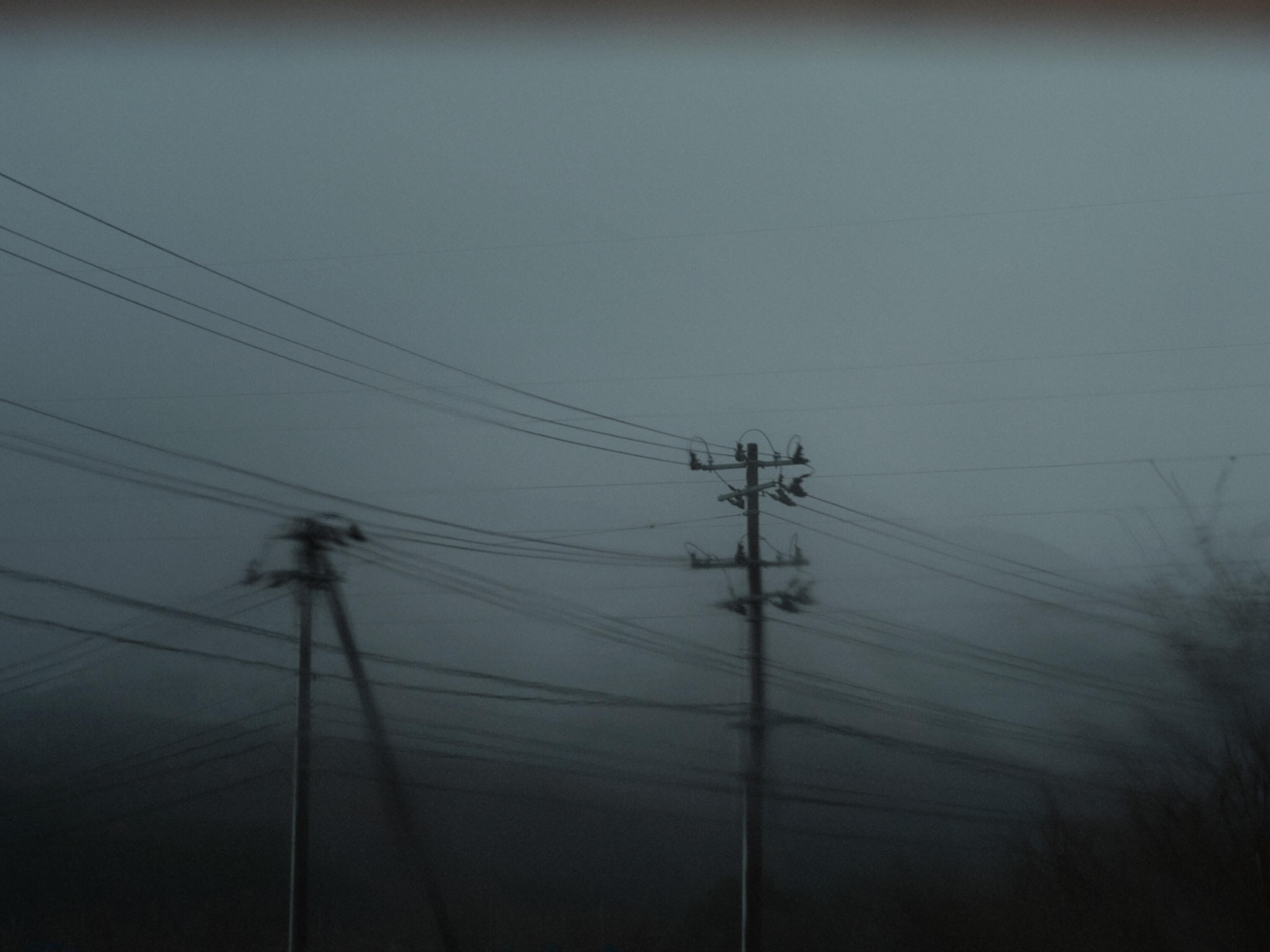
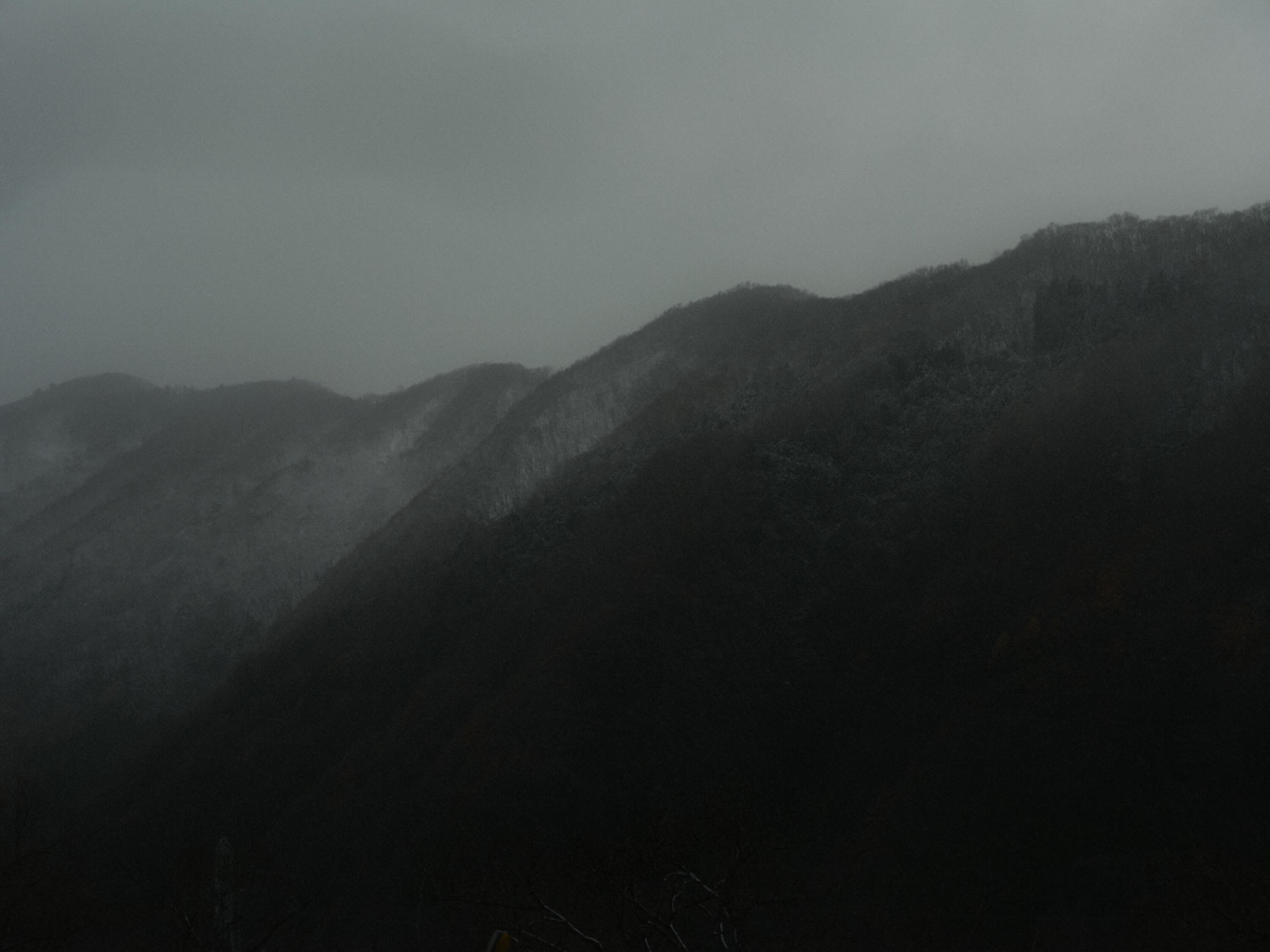
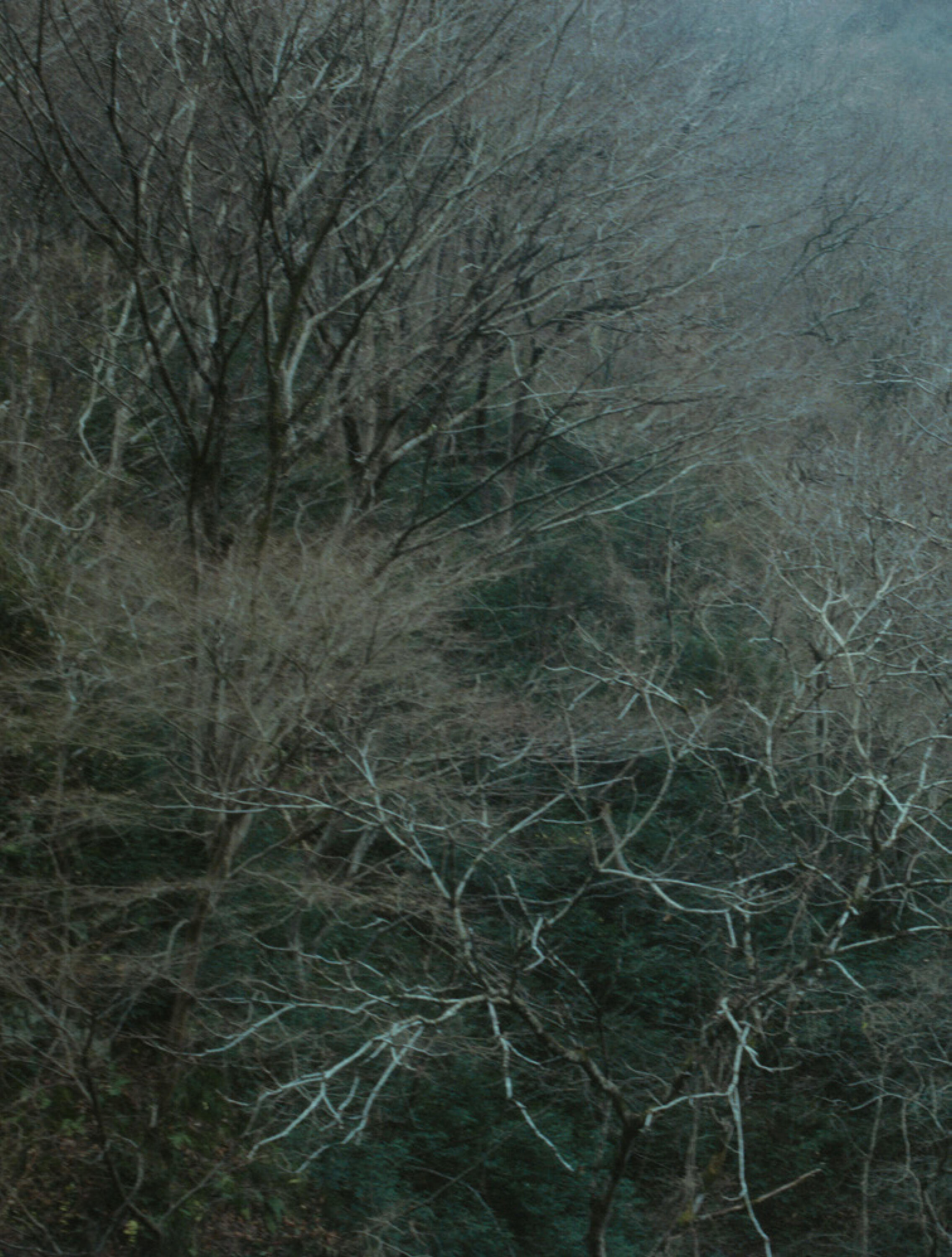
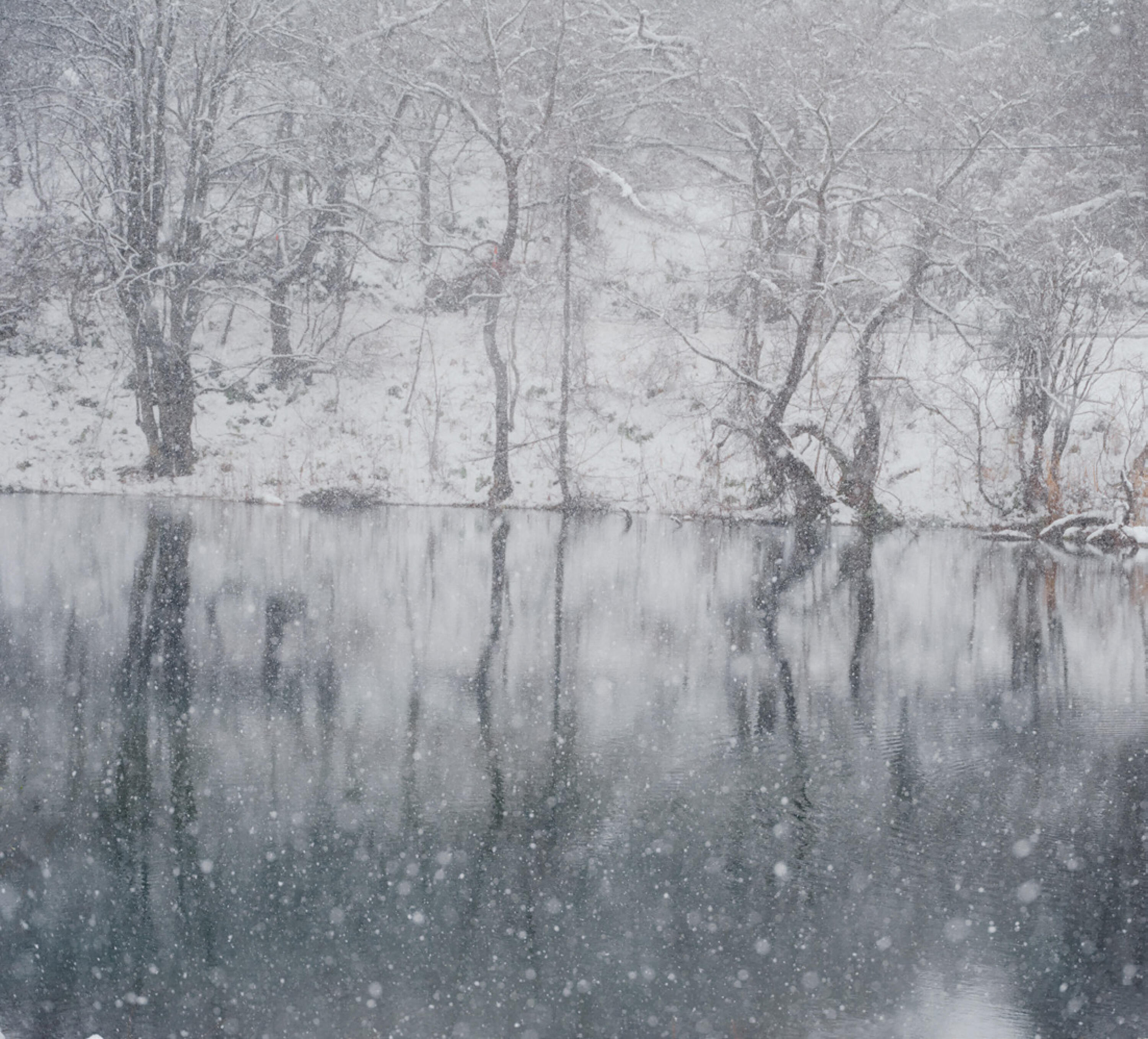
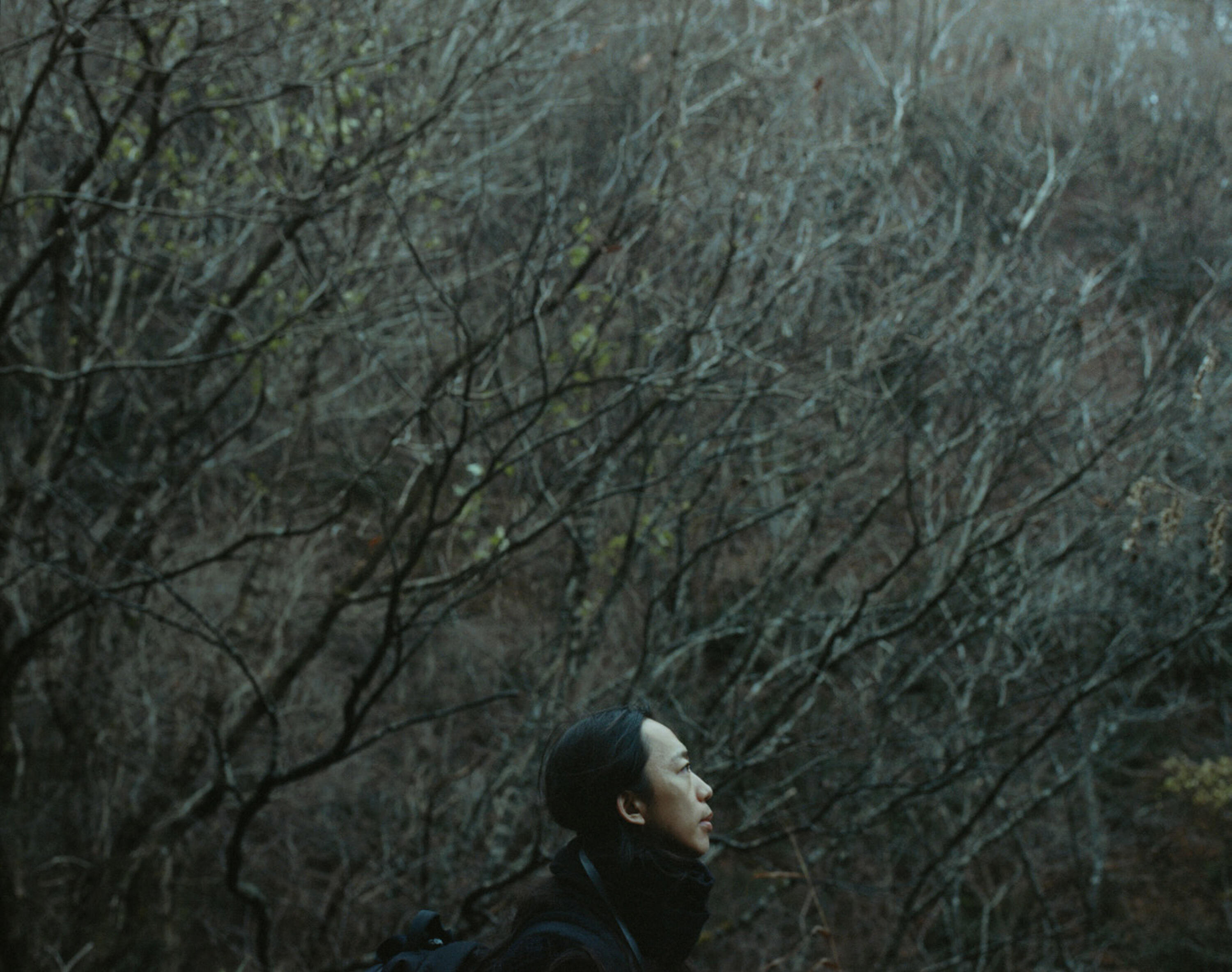
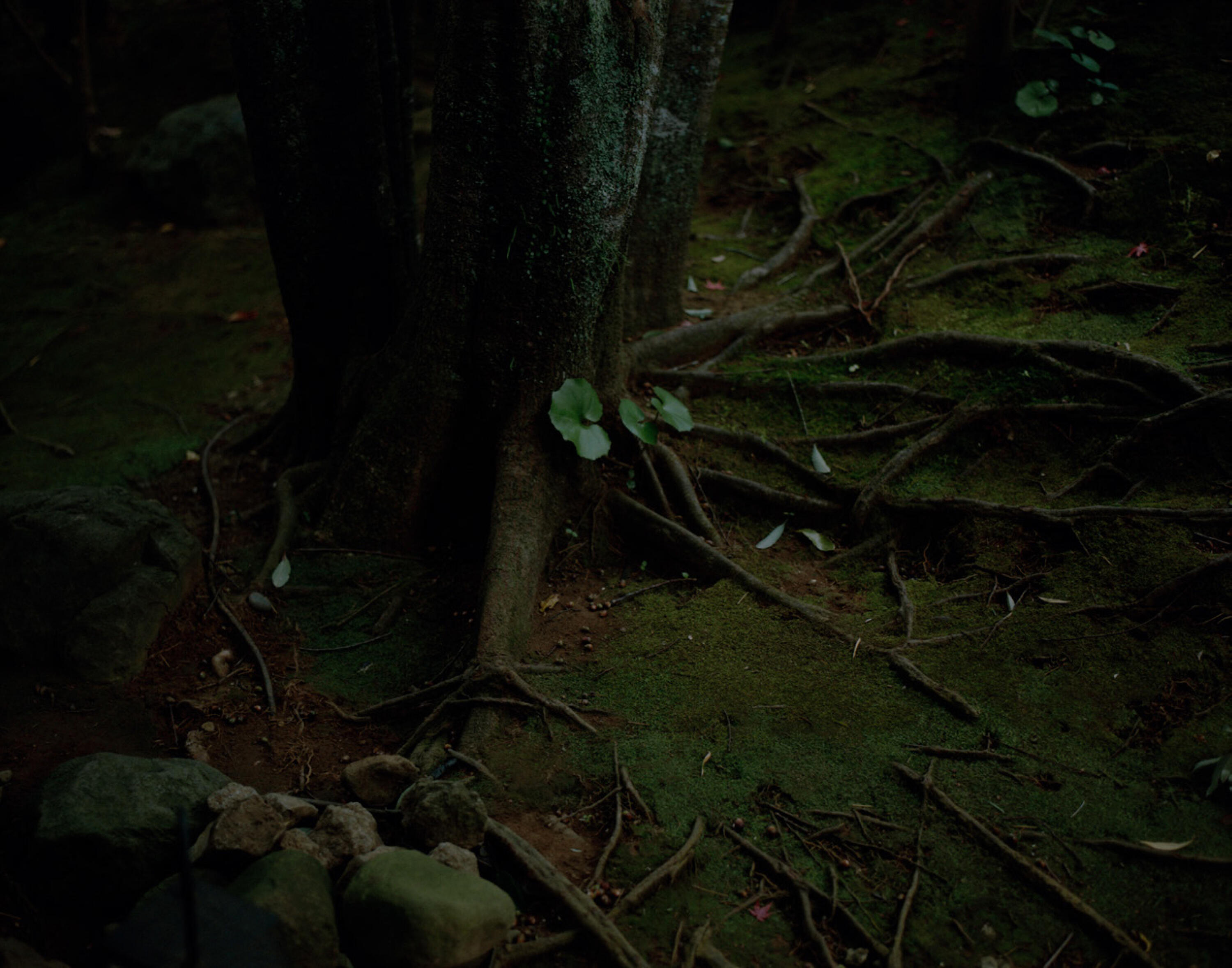
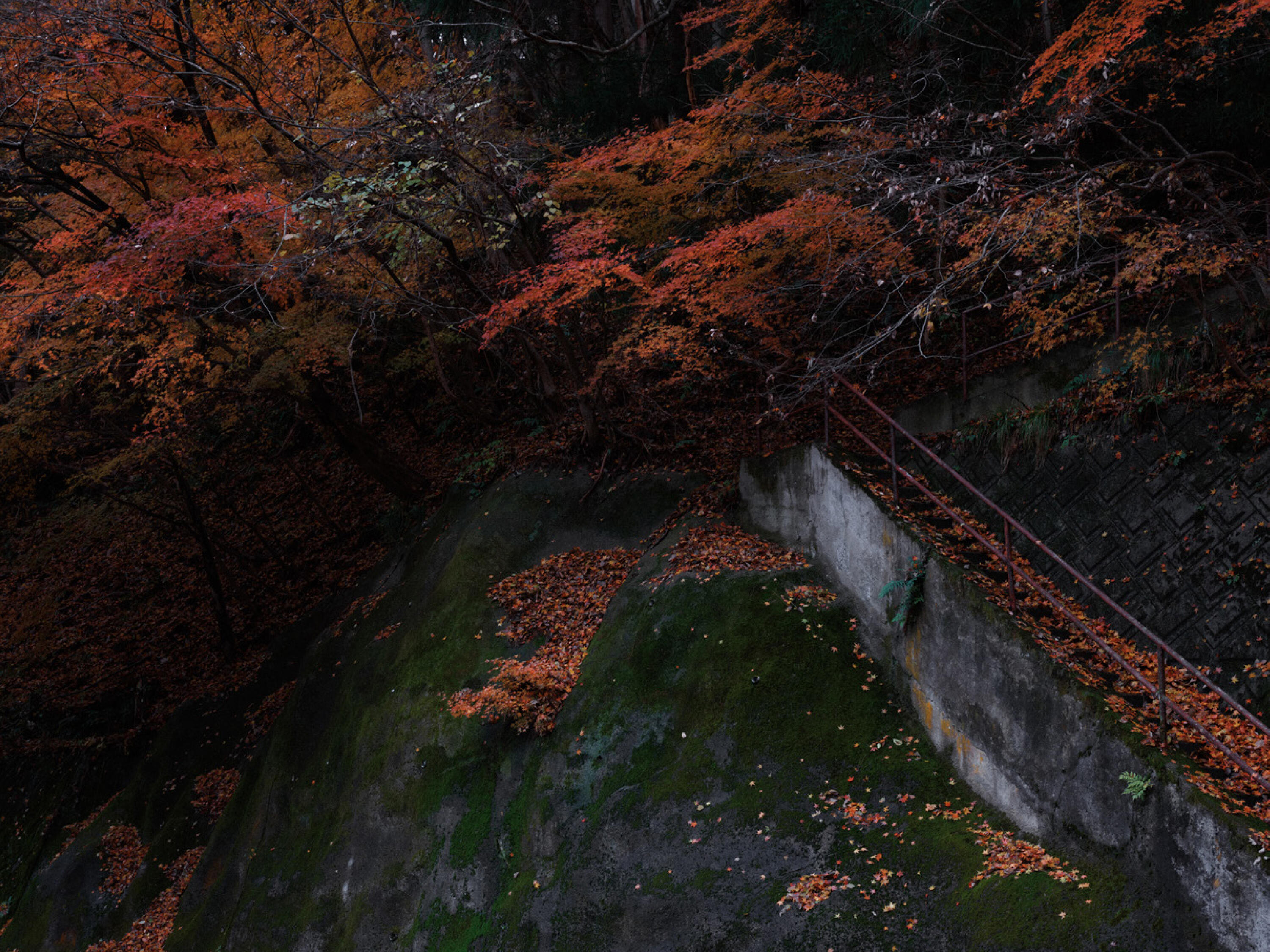
When we arrived, I started photographing nature. What I found was a big similarity between Sweden and Japan. First autumn-like atmosphere, then we went into a nature reserve, living in a cabin, and the snow came—one meter of snow. When I looked out, it looked like Sweden, but it wasn't. Very confusing.
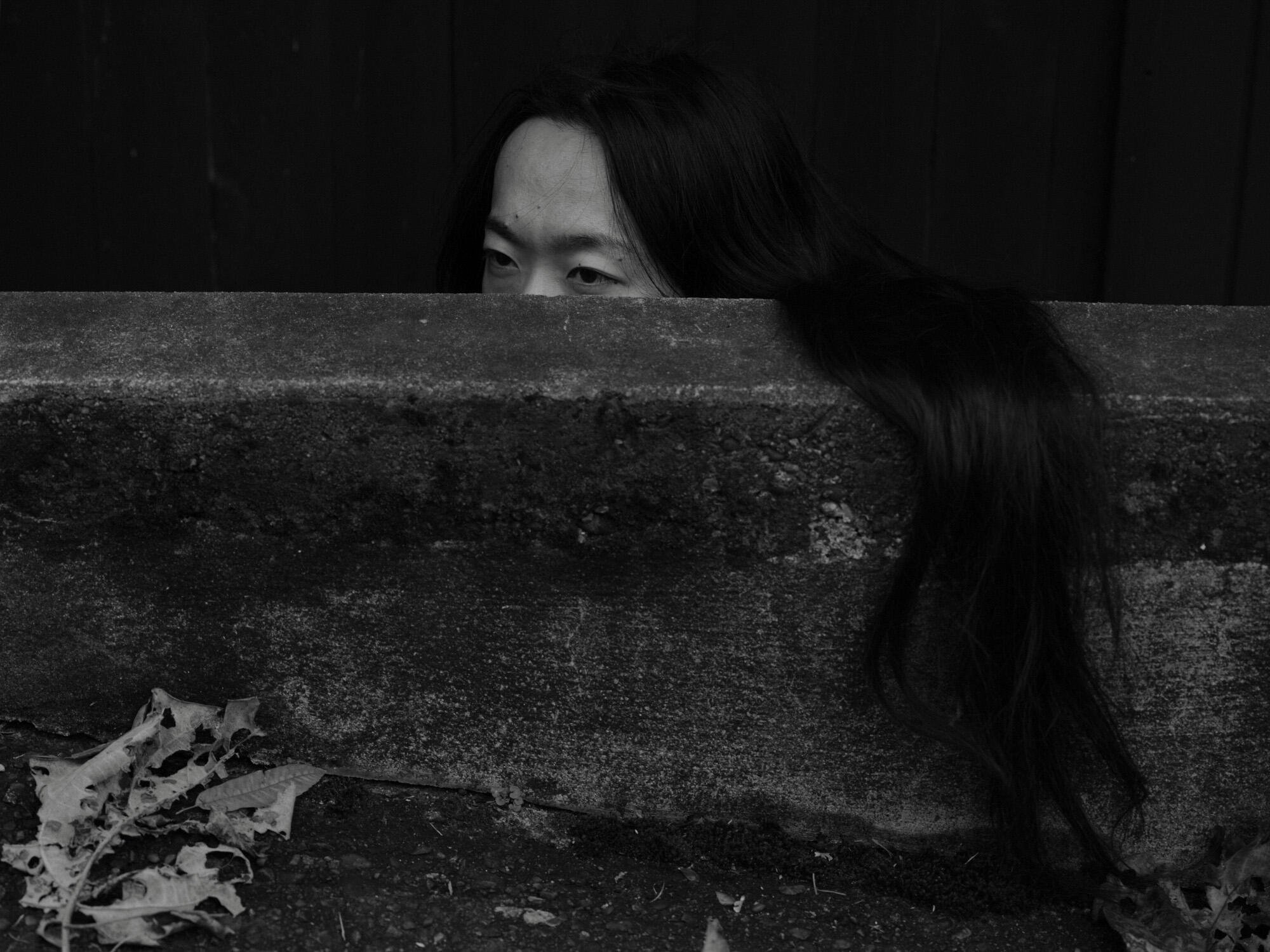
I realized very fast—like the first day—that I need Shin to be in the picture. I need to be by myself. No help. I have to just do it. That was both psychological, to handle everything myself, since I've been working with big teams. So I went back to the way I was working when I was about 20 years old.
――Tell us about Shin.
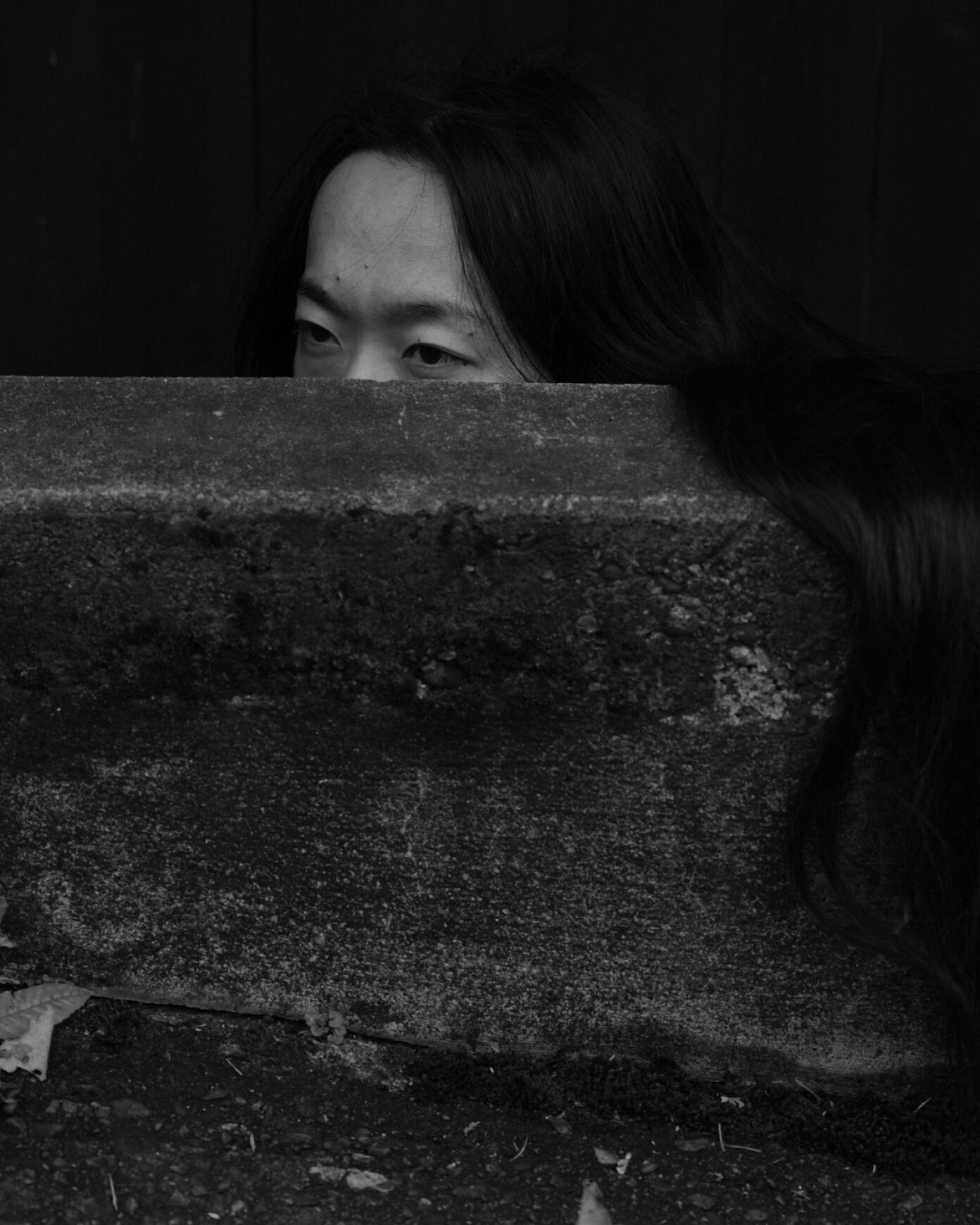
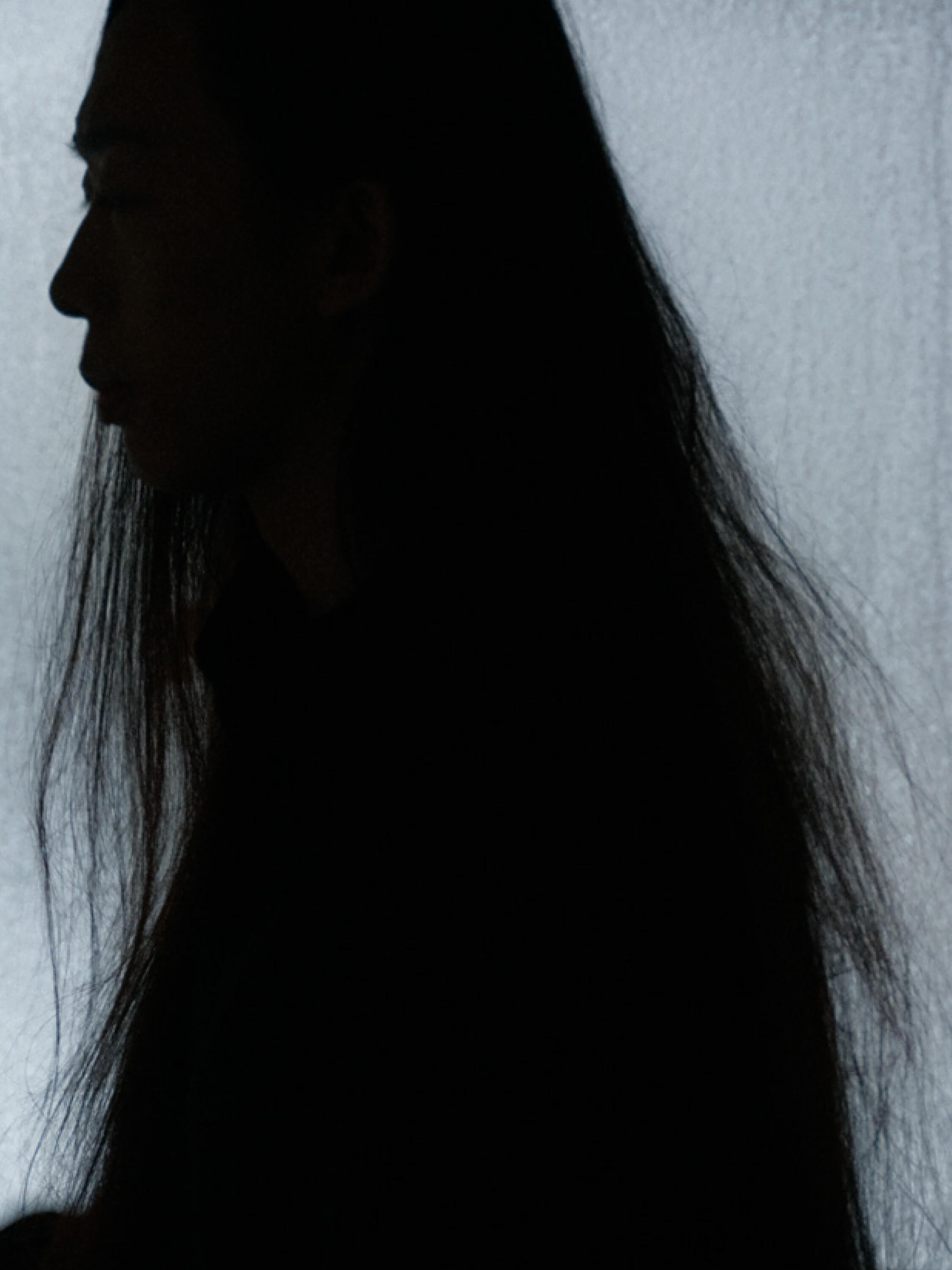
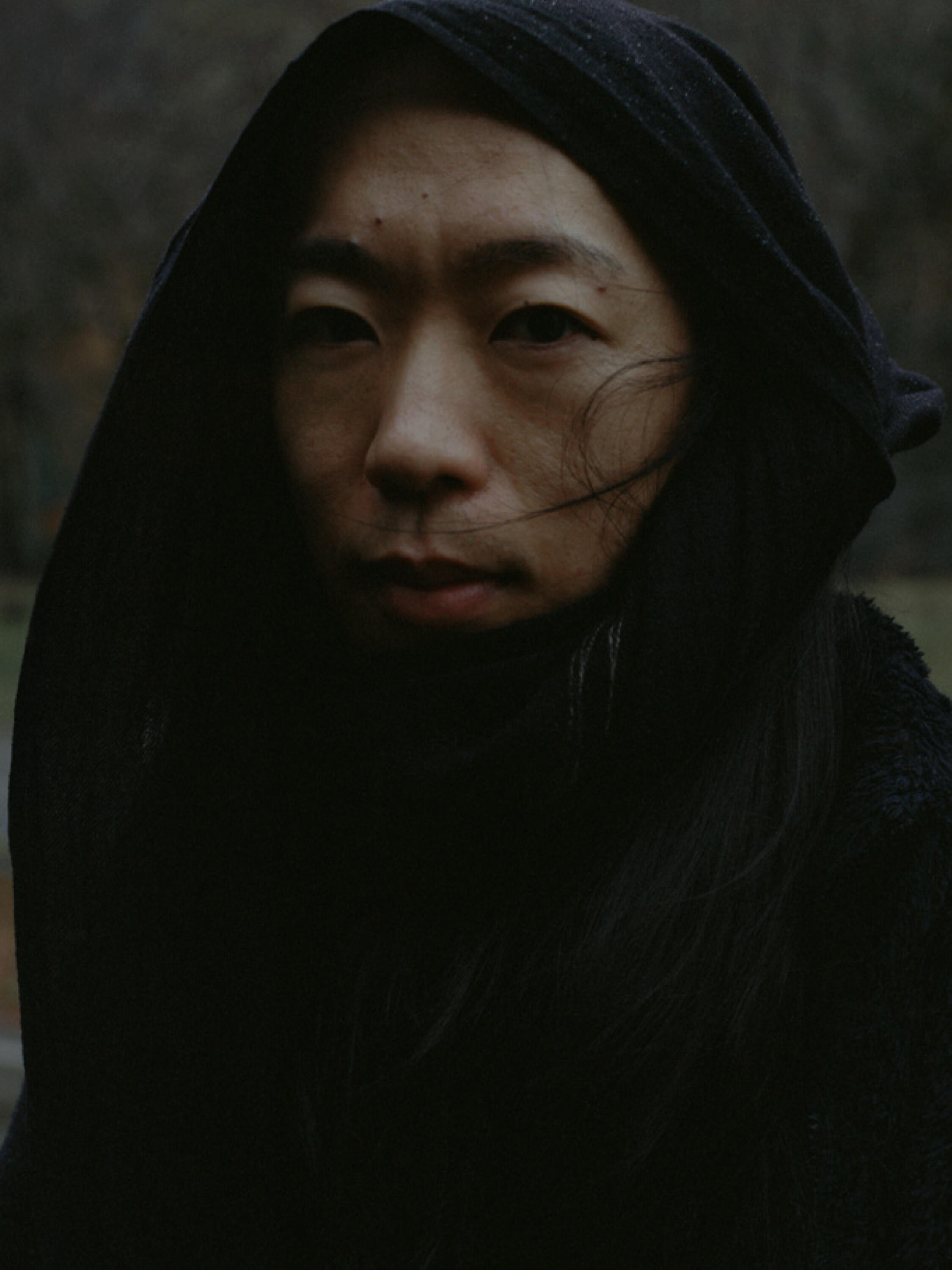
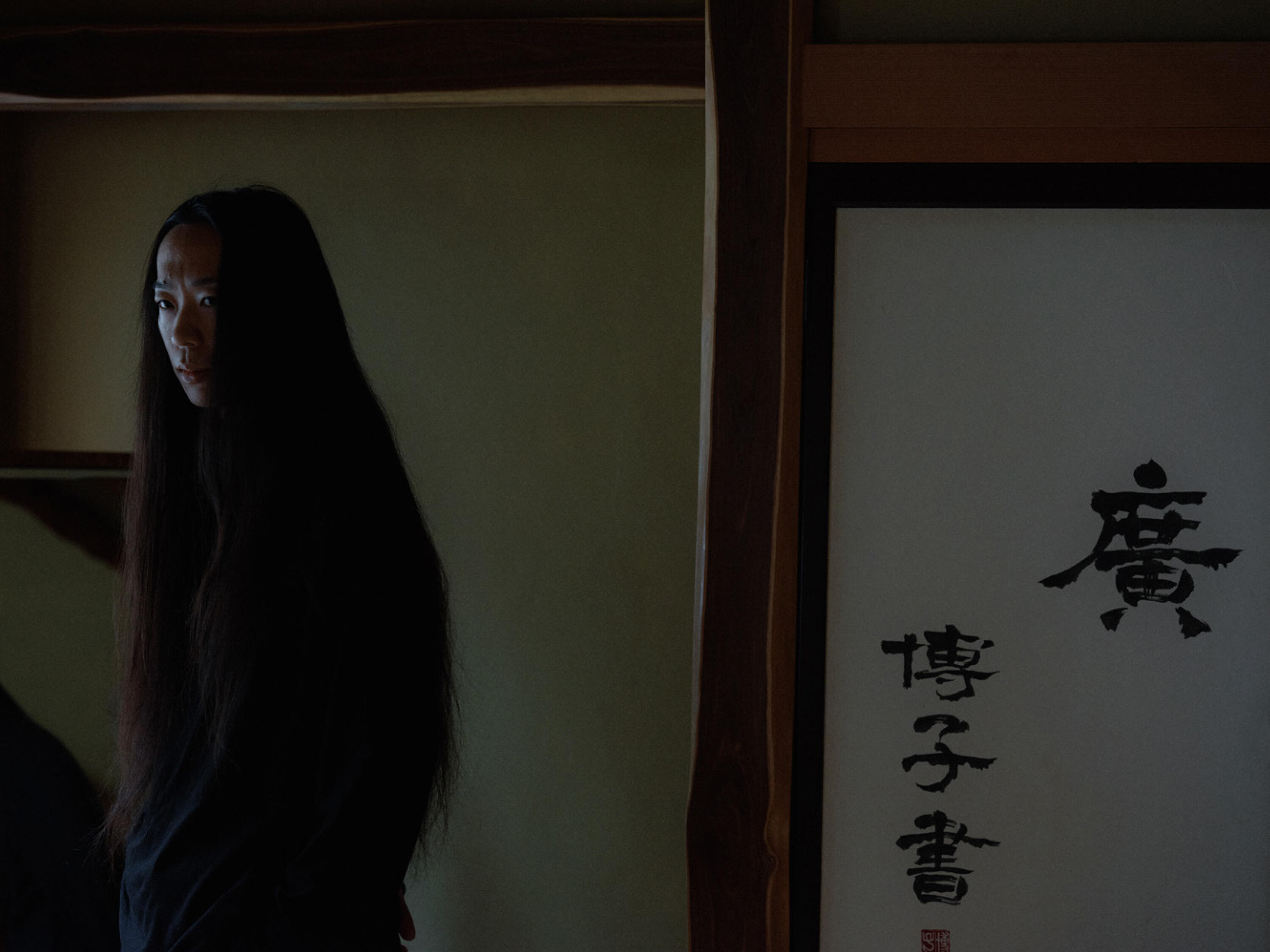
I started to photograph Shin, who has been part of my daily life for about two years in Stockholm, but still sort of a mystery to me. Since he one day just came into my life, he has been almost like an angel falling in. Something very special happened.
I was in Paris when a friend who's a shoe designer called me. Shin had visited her showroom and said his dream was to be assistant to Julia Hetta. She said, 'Are you kidding? She was just here. We are best friends.' She called me, but I was exhausted from shootings, heading to the airport. I said no.
Then she wrote again saying Shin really insists on coming to Stockholm for a coffee. I said yes. He came one snowy day, and since then he stayed more than two years. From the first day I said, 'Just stay. You can be the assistant.'
Even though I don't know if he's the best assistant technically. But what he is, is psychologically helping me always. And that is often what you actually need as a photographer.
For every hour in Aizu, I felt, of course this is why I'm here. I'm here to photograph him in his environment. Everything just fell into place. Sometimes you get that feeling—now I got a gift. Suddenly in Aizu I understood, this is a gift.
My photography is the reason why he's in Stockholm. And then in this project, he's the reason why I'm photographing in Japan. That by itself is quite a beautiful story, almost like a fairy tale for a grown-up person.
――Tell us about the title.
That's Shin's word. It's a Japanese word—very formal, a word you may use when writing. It's not common everyday speech. It's a bit stiff, formal.
When I saw the title Songen, I thought, 'Oh, this must be some Swedish word for singing'—'Sången.' It is also Swedish. It's brilliant that it's both Japanese and Swedish. Serendipitous.
In English, the closest is maybe mutual respect, or dignity. You can use Songen for yourself, but you can also use it for another person.
Shin has always used that word. Even in Stockholm, from the first weeks. That was one reason why I thought he was such a special person—he was young but uses those terms I seldom hear young people using.
When he first saw my photography, he talked about silence and time and dignity and beauty, but also darkness, sadness, poetry. All those things that I feel are important for me, that I hope I deal with, but sometimes doubt. When he said it, I felt it was real. As long as it was real for him, I thought that might be enough.
――What was the editorial process?
When Gregor had the idea of basing the text on Shin's words, he asked me, 'Do you think it's a good idea?' I said, 'Brilliant.' The way Shin talks and explains things—he's quite young, but sometimes I feel he's had another life. He's older in the way he speaks. He really thinks and then says something very striking in just one sentence.
Shin is one of the most generous people. He really respects me and my photography.
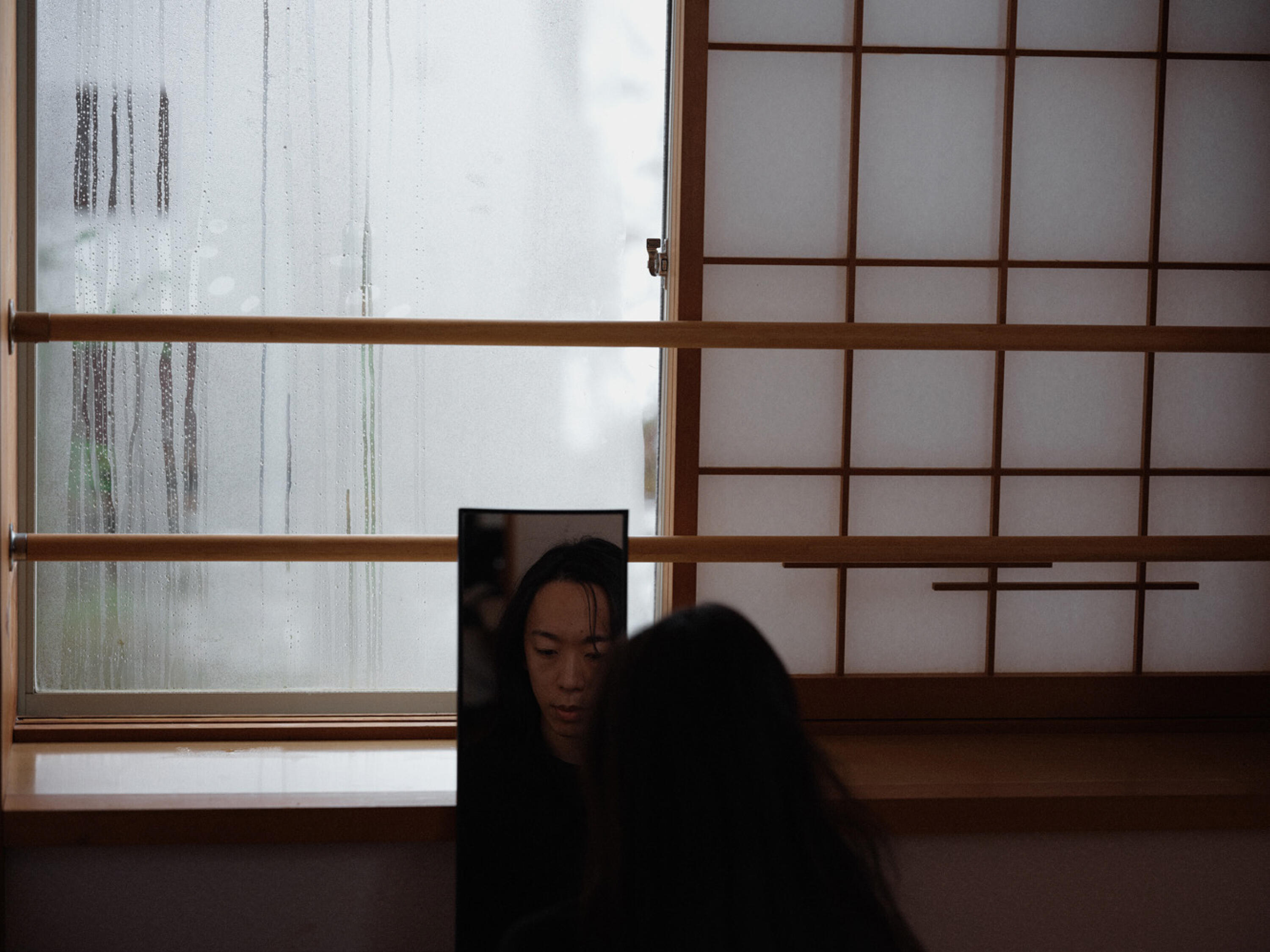
We went to different places in Aizu. First a ryokan. I knew the light was really beautiful there. I always like the materials—velvets or wood. In my photography, materials are really important. You almost have to feel the water, feel the surface, the paper.
Then we went to a nature reserve and rented a cabin. That's where it snowed so much—one meter. We were trapped. One image is actually at a gas station. I wanted to see that okay, I don't need set design. I don't need a team. I am good at photography. I can do a portrait at a gas station.
――Your aesthetic points toward something deeper, darker, unnamed.
That's beautiful. My thing has always been a hate-love relationship with beauty and with beautiful light and aesthetic. I think it says something that I go to a gas station and that is the work that comes out. I just realized that it is a soft light and I'm drawn to that. But I want to have a certain deep darkness. That is important. Otherwise it becomes too romantic. It needs to be grounded in the earth.
In the cabin, I thought that was just so beautiful—such an aesthetic just in a cabin in the woods. That's so typical of Japan, that you can find beautiful material and superb woods just in a simple cabin. And then the mountains around—mountains by itself mean so much. So that was important to capture.
RETURNING TO MY ROOTS
――How is this different from your other work?
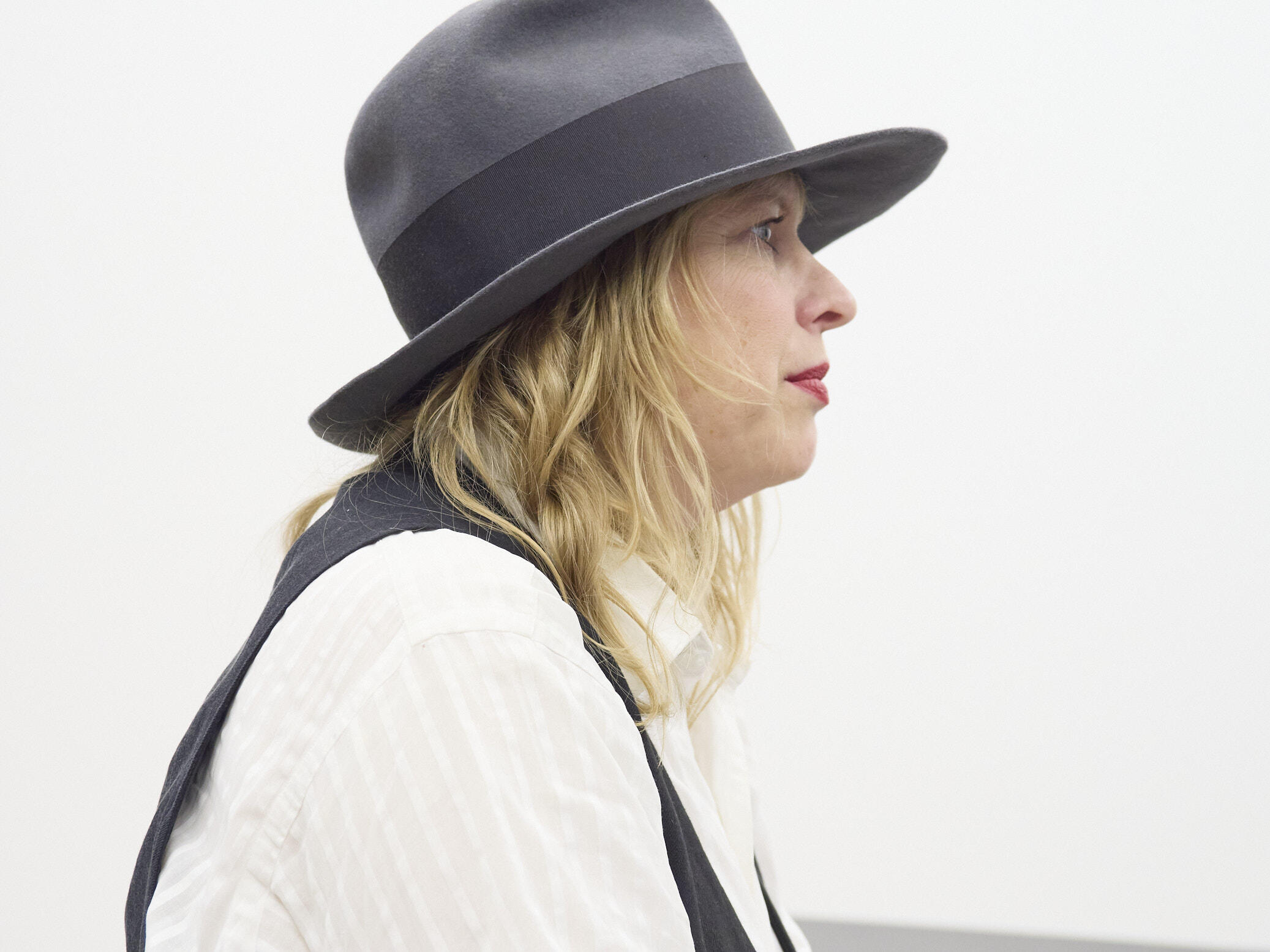
It was different because it was just me and my camera and my best friend as support. But it also brought me back to the way I was photographing when I started. How I started was photographing my younger brother, 10 years younger than me, who I put in situations—in nature or rooms—but I still directed him. Very similar to this work.
That's also a story—my brother later took me into fashion photography. After I studied at the Art Academy as an art photographer, he brought me into fashion because he was working at French Vogue. That's how I started with fashion photography.
This was six days. That was stressful because I'm known to be a photographer that takes a very long time with pictures and projects. On a day with a client, I do a maximum of eight pictures. So it was challenging. But I thought when Greger asked me, I'm old enough to be brave now.
For me this is part of the investigation I do with myself since the pandemic—to free myself and be more open. I've always been so careful with my photography. But I now try to open up more, investigate more, especially in a psychological way.
To go back to my roots—just me and the camera, doing more personal work. The last three years I've been doing three books. This is one of the three. They've all been important because I've been quite brave. They weren't easy and were more for myself. Something personal without worrying about the result.
Six years ago, I would not have said yes to this project. I would feel too scared to not do a beautiful book. I had too much respect for photography itself. I still have super much respect for photography as a medium. But I came to the point where I was maybe too ambitious because of my respect.
So personal work is about removing effort, not forcing, not pushing an agenda. Letting things happen naturally. Relying on my knowledge, perhaps I can do three pictures in six days by myself. And if it's a book with three pictures, they should be really good.
――Even though Shin is the subject, this is very much about you.
Yeah, it is. And I think he reflects me. Maybe that's why I was so driven to him, and maybe he was to me, because we reflect each other. That's what you have to do with people you meet and where you instantly feel there's something very interesting here.
When I think back on those six days, I see these pictures. That's also what photography is. You create your memories. Which is in one way almost scary, or it can be dangerous. It can also be very beautiful and interesting.
I'm always very precise, and you can see that in my photography. But maybe that's what I'm trying to describe—that I try not to be. I try to come closer to my soul, and that is never static—it can move.
Very lucky that you can meet someone you can work with and have mutual respect. You really grow in that. And I hope both of us do.
Other articles