Interview
Flowers that don't exist:
How Sølve Sundsbø’s 'Hanataba' redefines creativity in the age of AI.
Interview & Text:
IMA ONLINE
Presented by Sigma
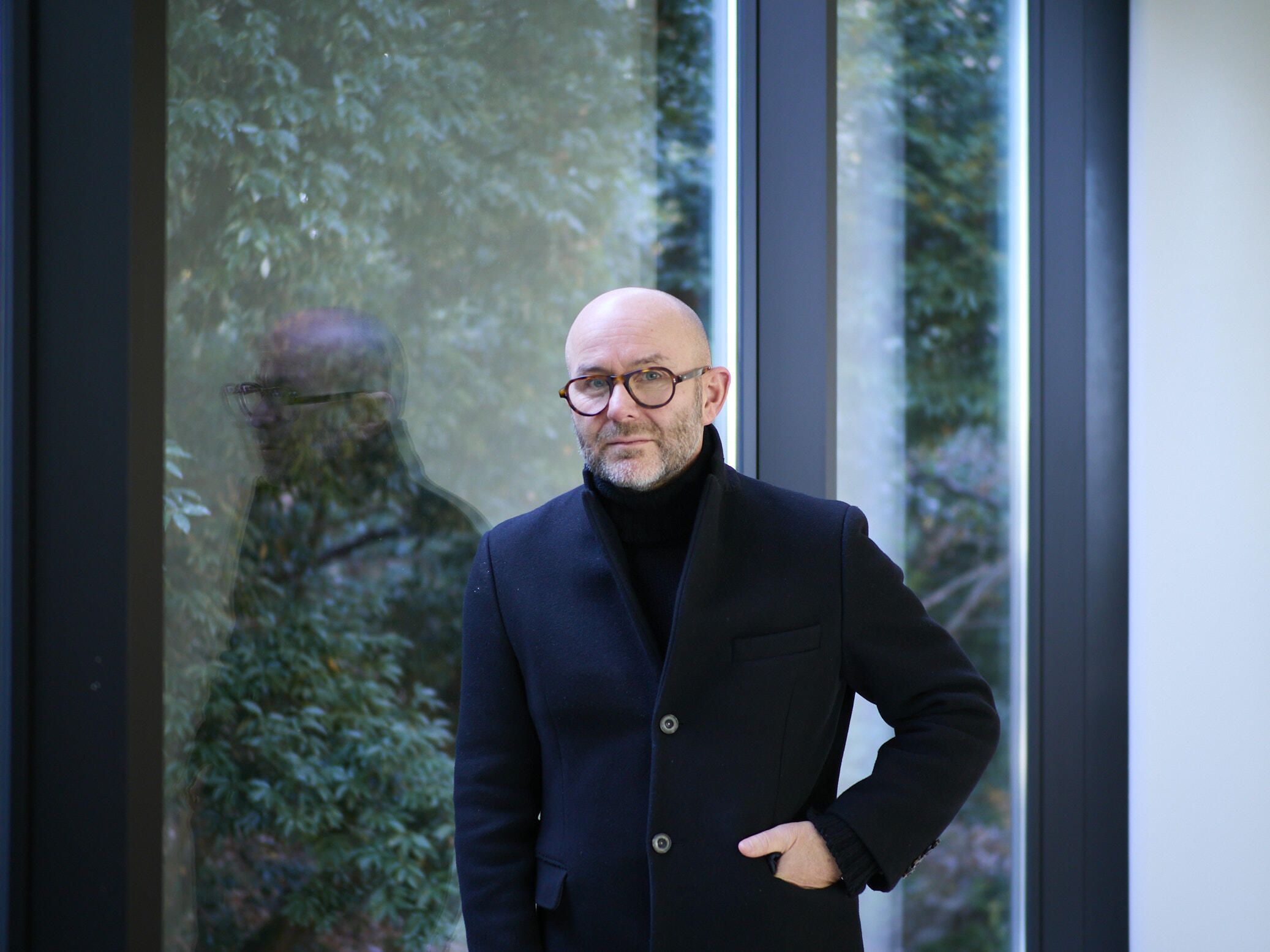
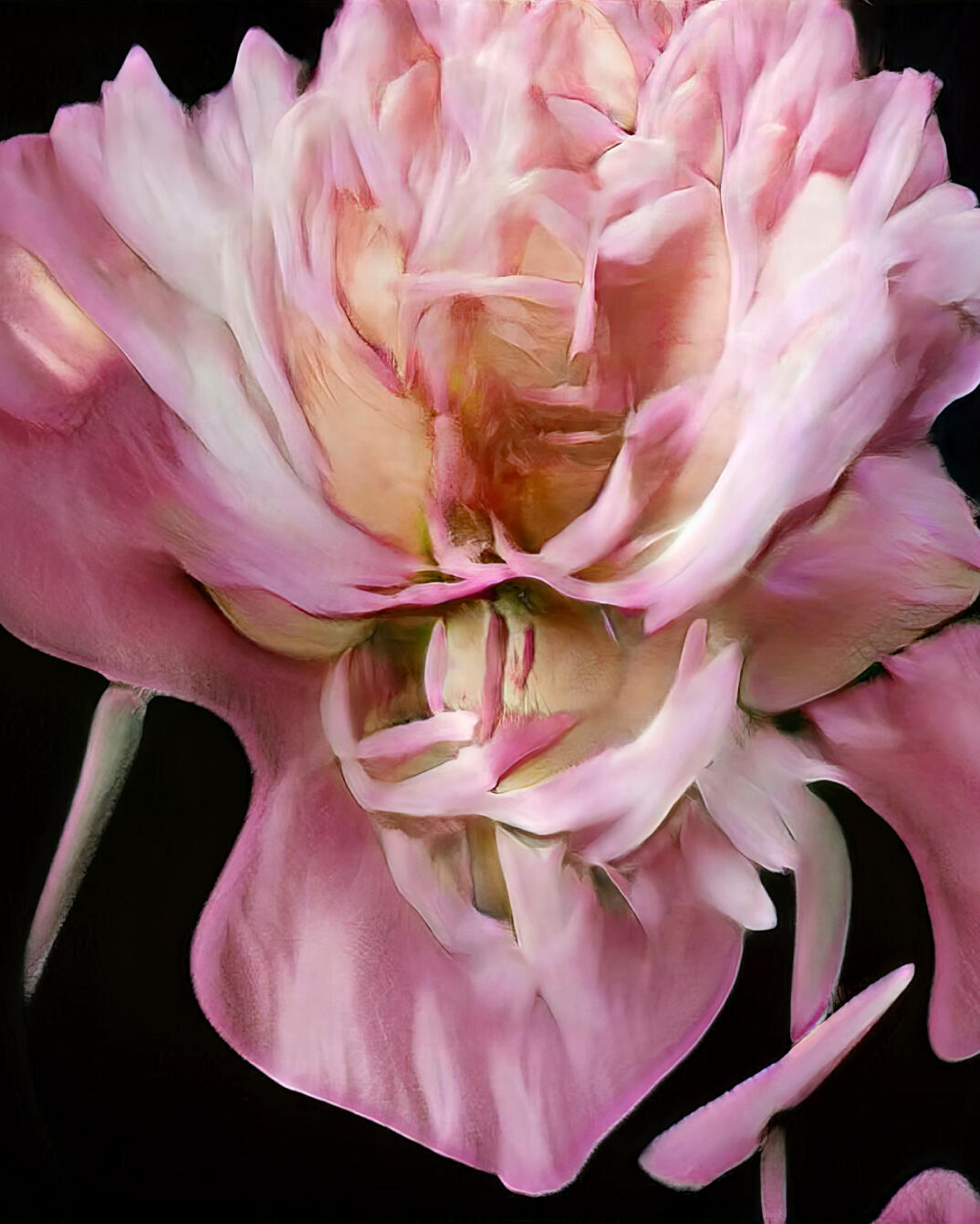
London-based photographer Sølve Sundsbø presents Hanataba, a new photo book created as part of the Sigma Foundation project. Utilizing an early machine learning model trained exclusively on his own extensive archive of floral photography, Sundsbø brings "non-existent flowers" to life—a delicate subversion of the boundaries between photography and painting, reality and fiction. In this interview, he explores the nature of creativity in the age of AI and the inherent "truths" and deceptions of the photographic medium.
Photography: ©Mie Morimoto, Courtesy of IMA
Interview & Text: Ivan Vartanian
THE PROJECT AND PROCESS
――Let's start with how this project began.
I've been a commercial photographer in London for 31 years. This project—and its sister project with faces—started in 2018-19 using very early machine learning models. Everyone calls it AI, but it's not text-prompted AI. It's a very obsolete model, so charmingly imperfect they don't make it anymore.
I uploaded only my own pictures—decades of flowers I've shot for Guerlain, Chanel, Lancôme—so it's ethically sourced, not harvesting other photographers' work. You feed it your archive and ask it to find links between images. It generates options. You choose what you like and feed those back in, training the model through your own choices. What I found charming was that it's not perfect, not realistic. It doesn't look like a flower you can pick.
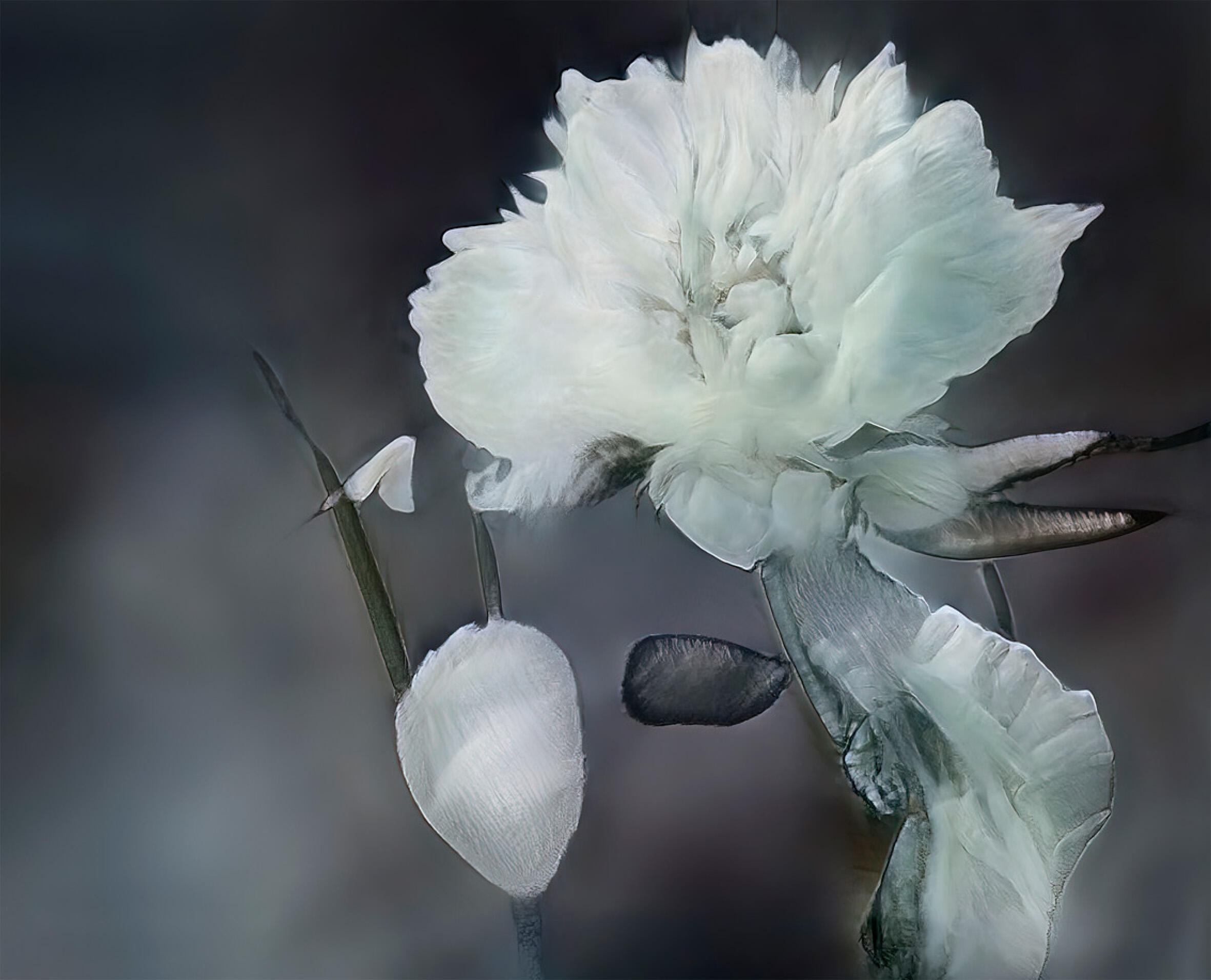
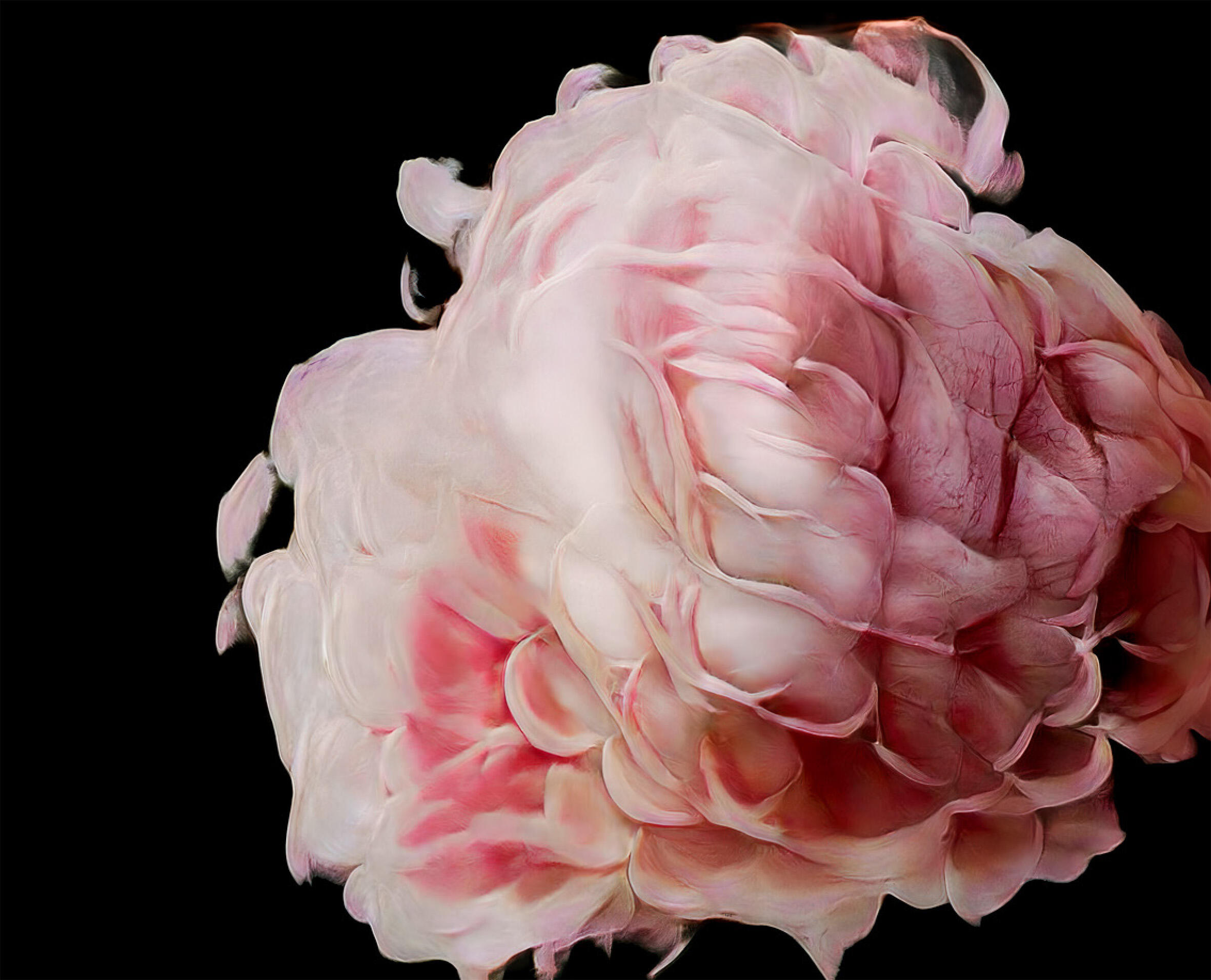
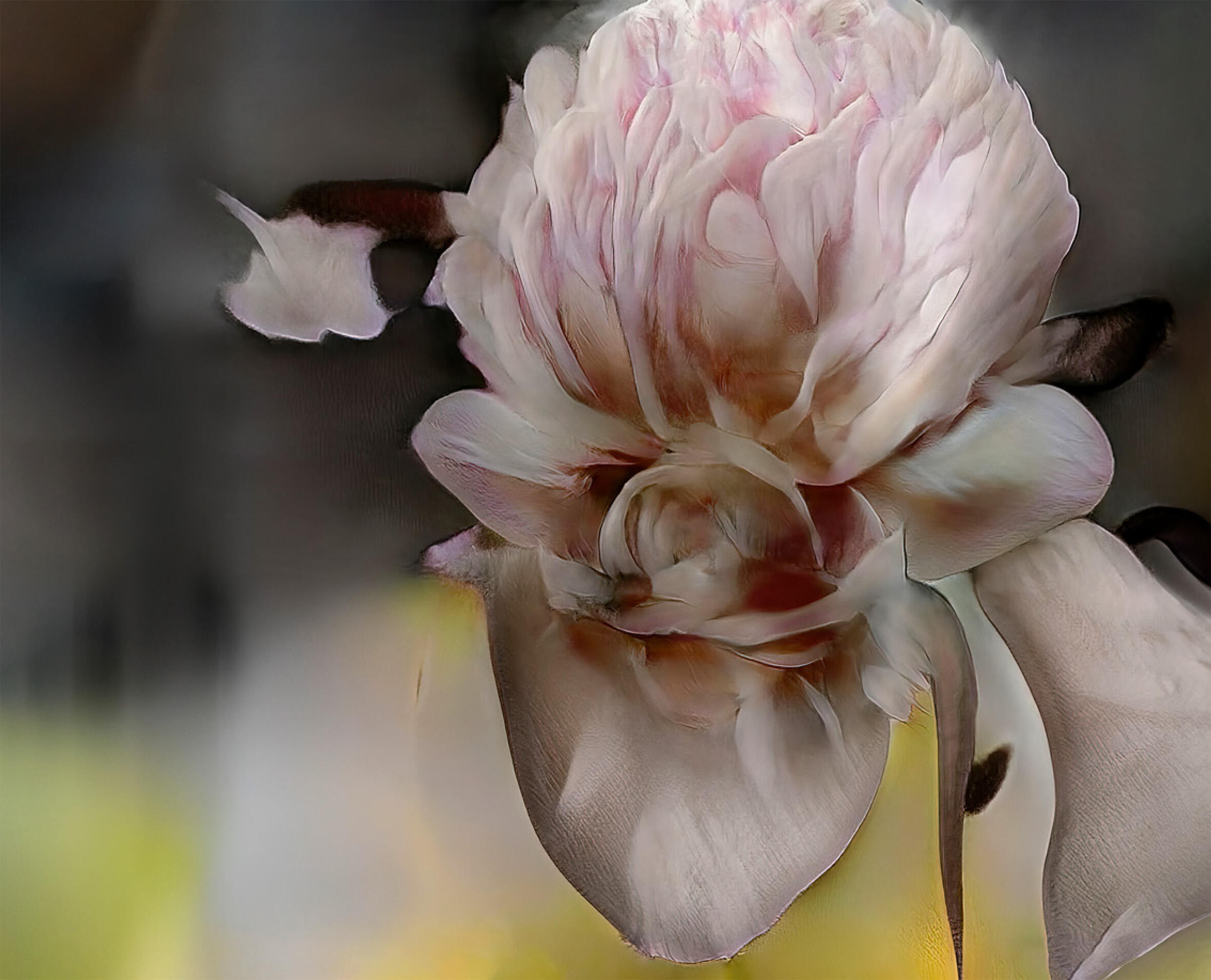
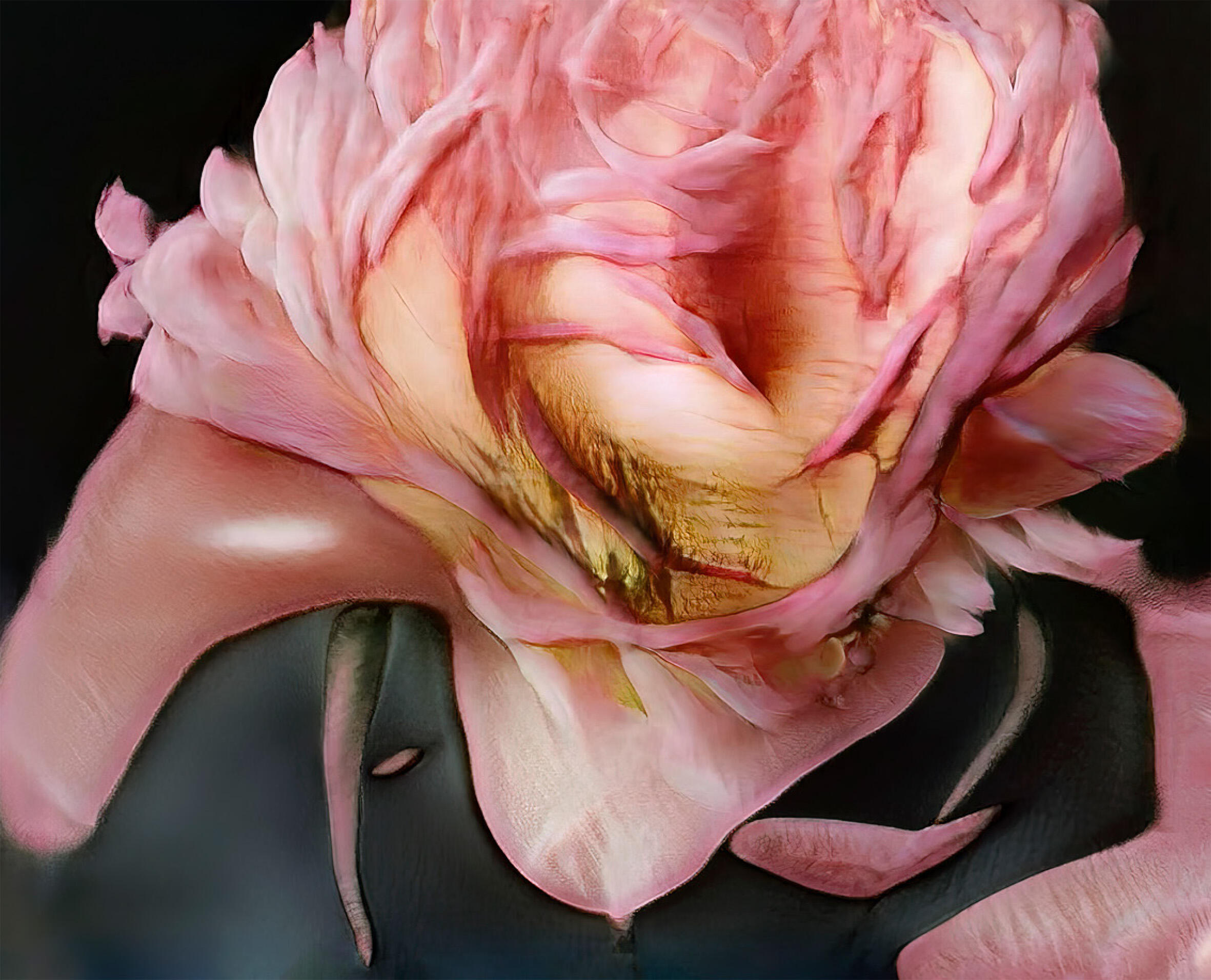
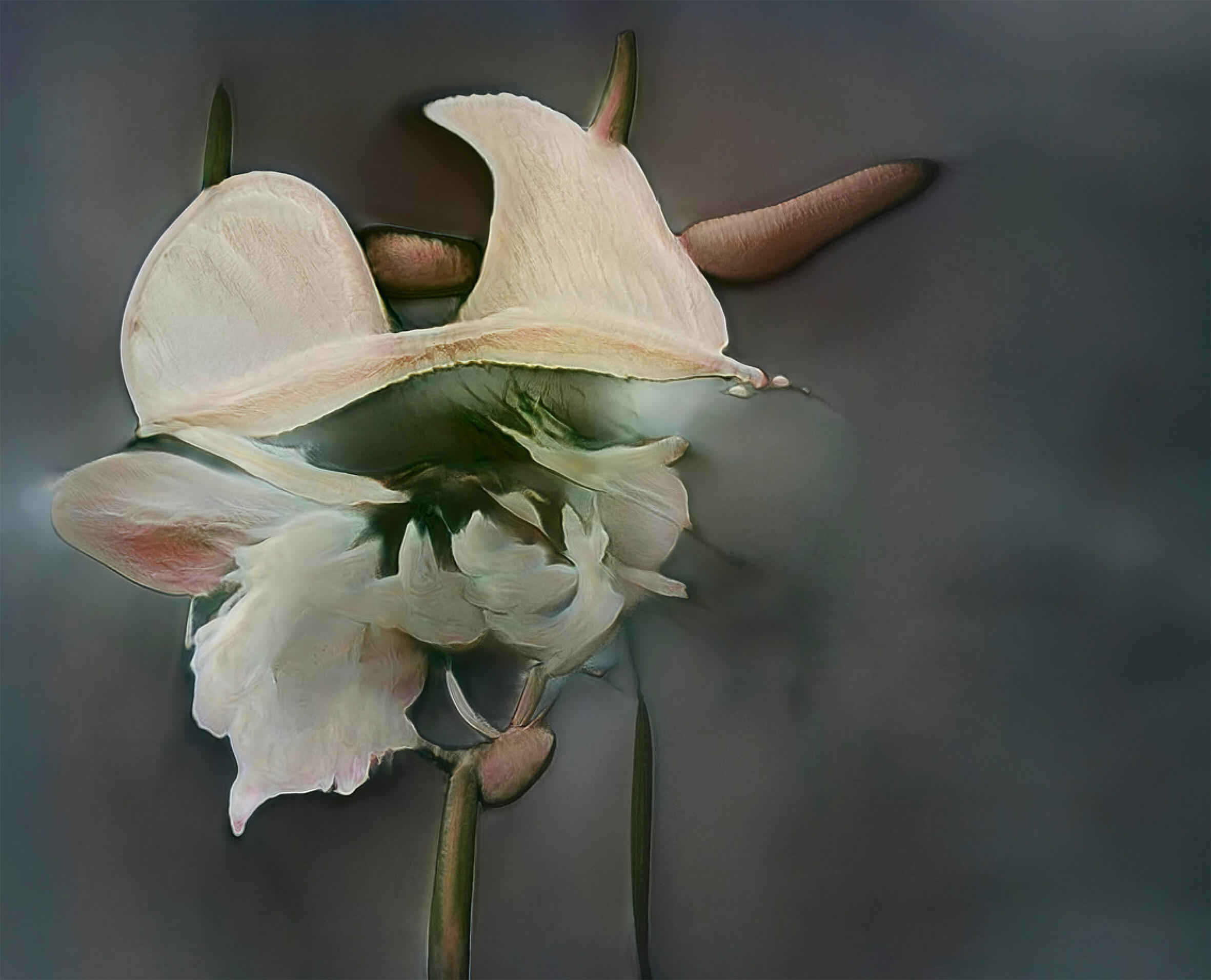
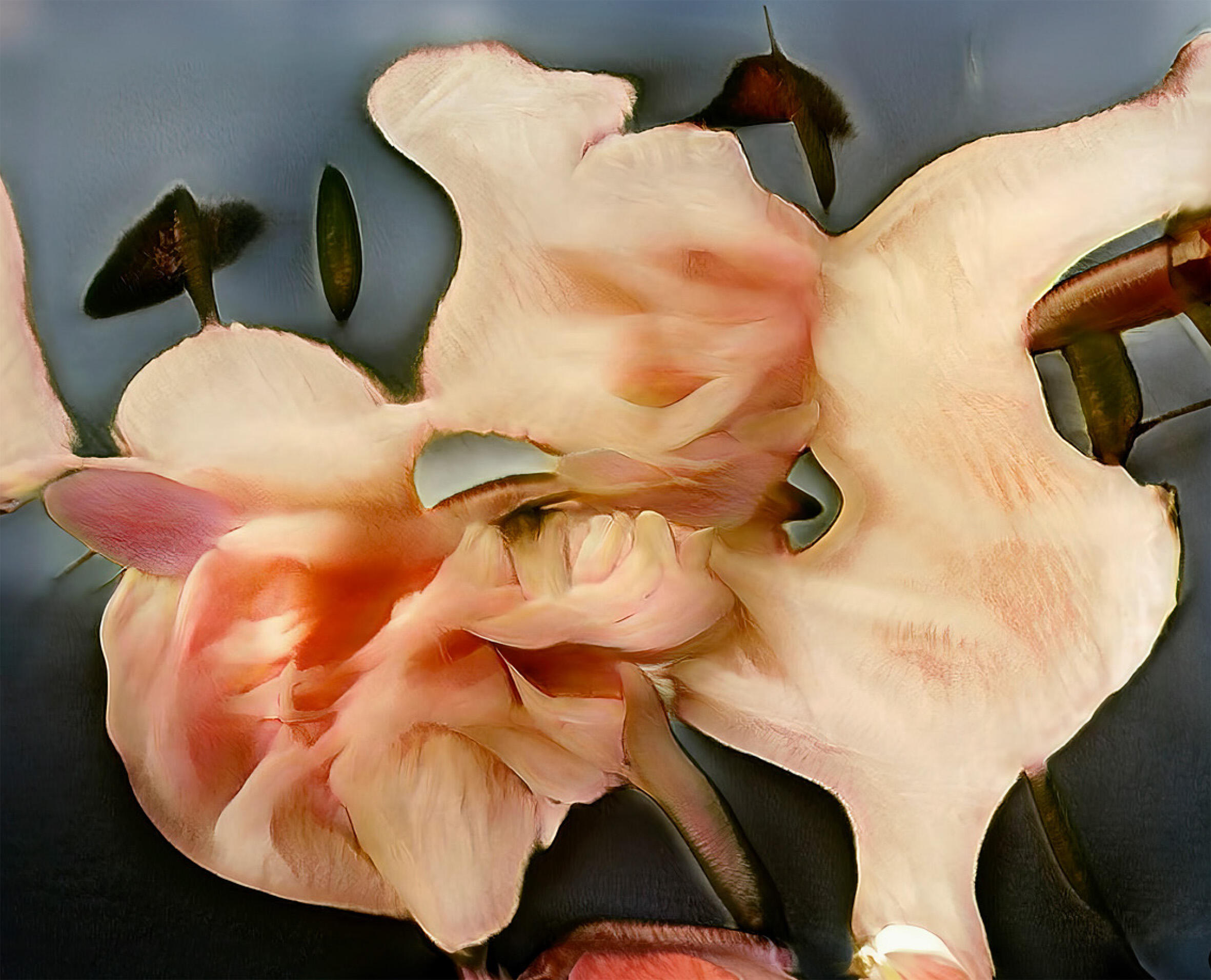
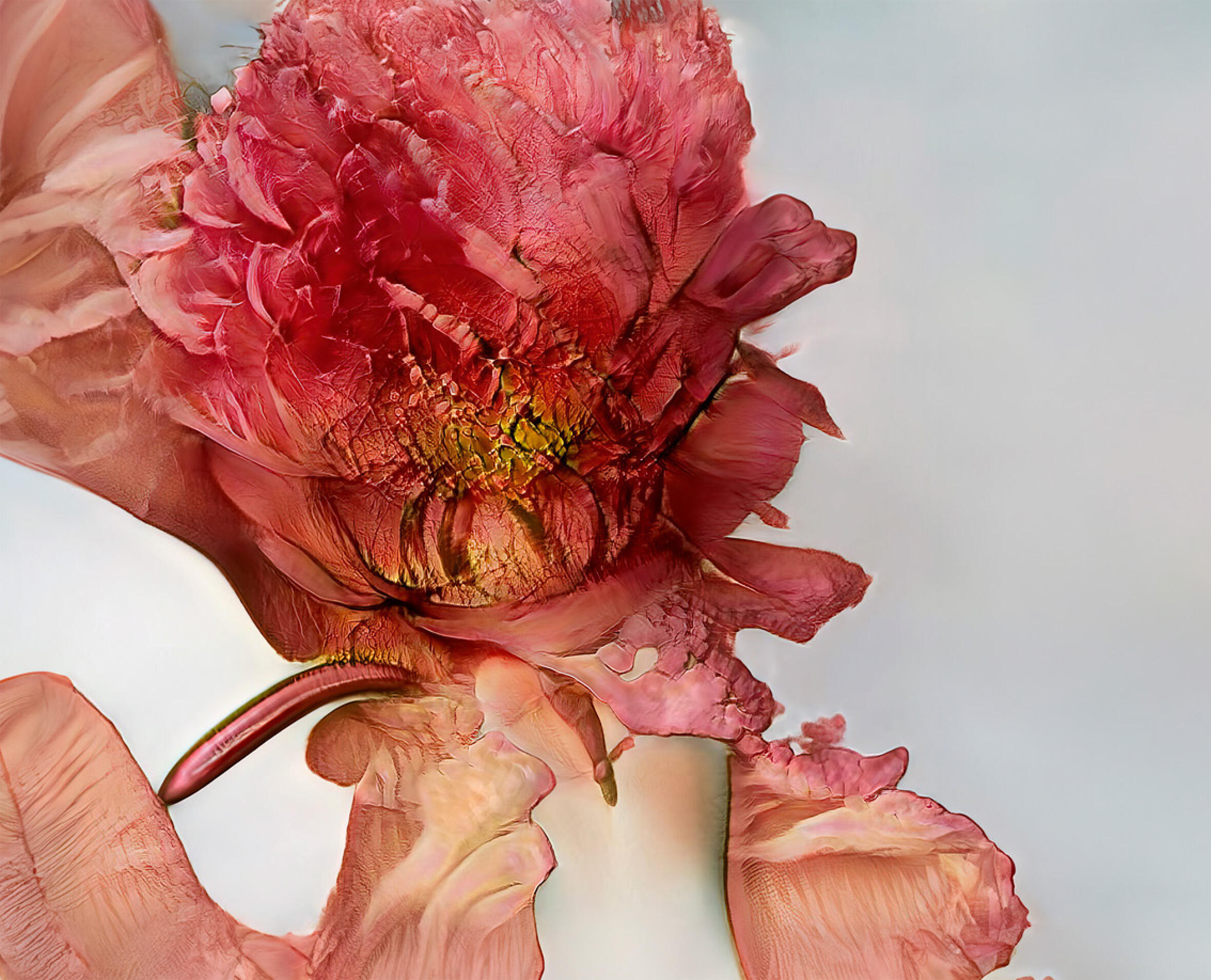
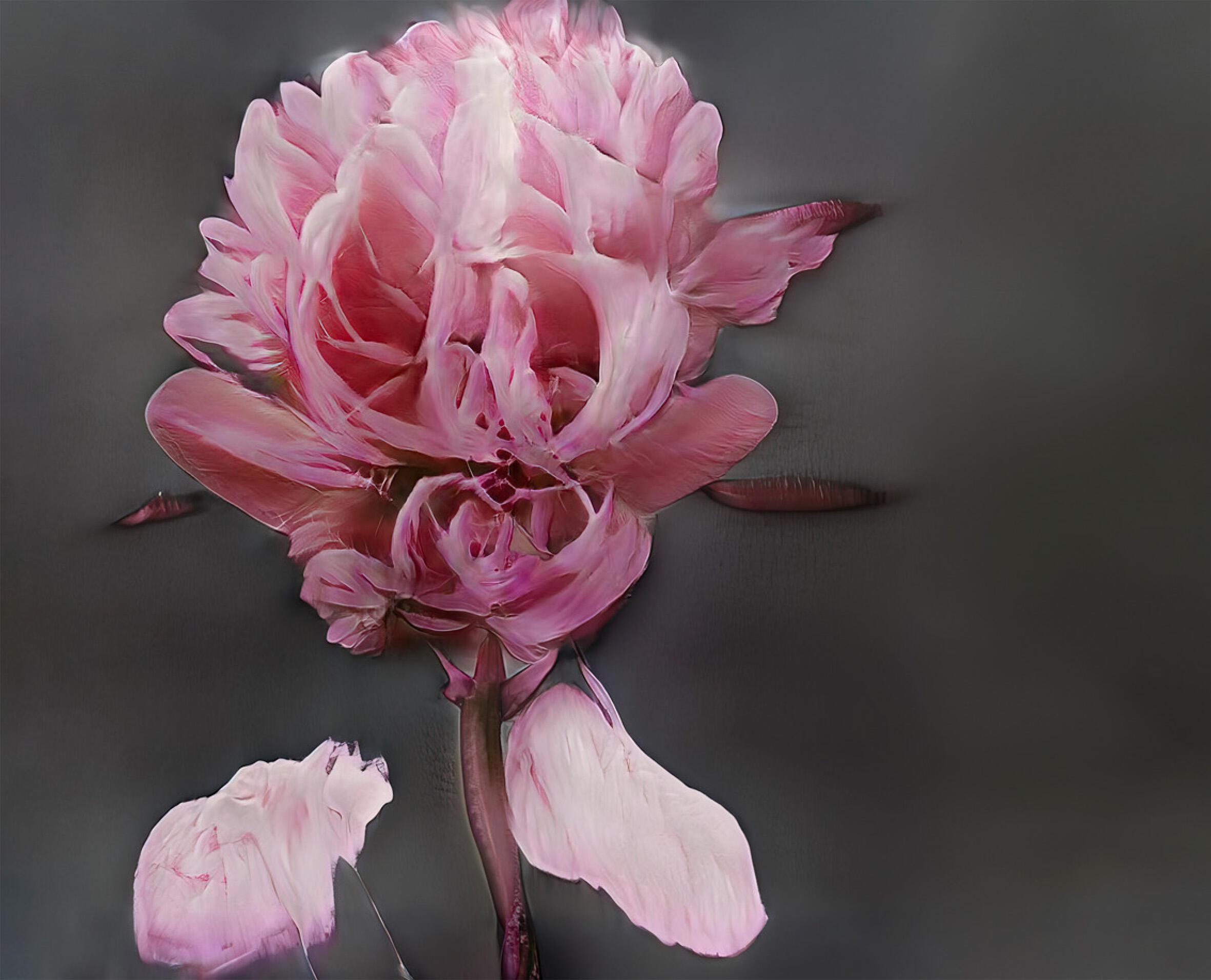
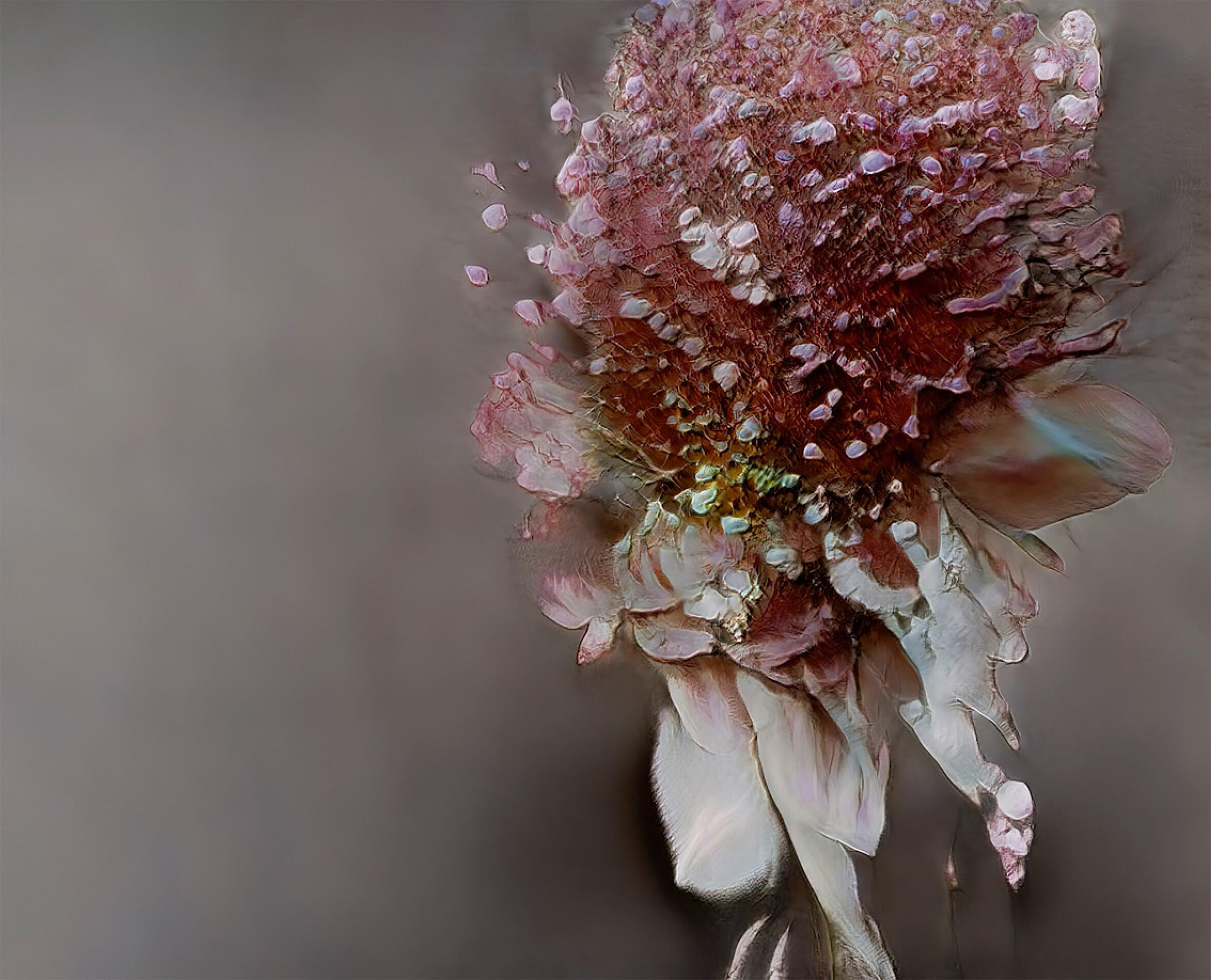
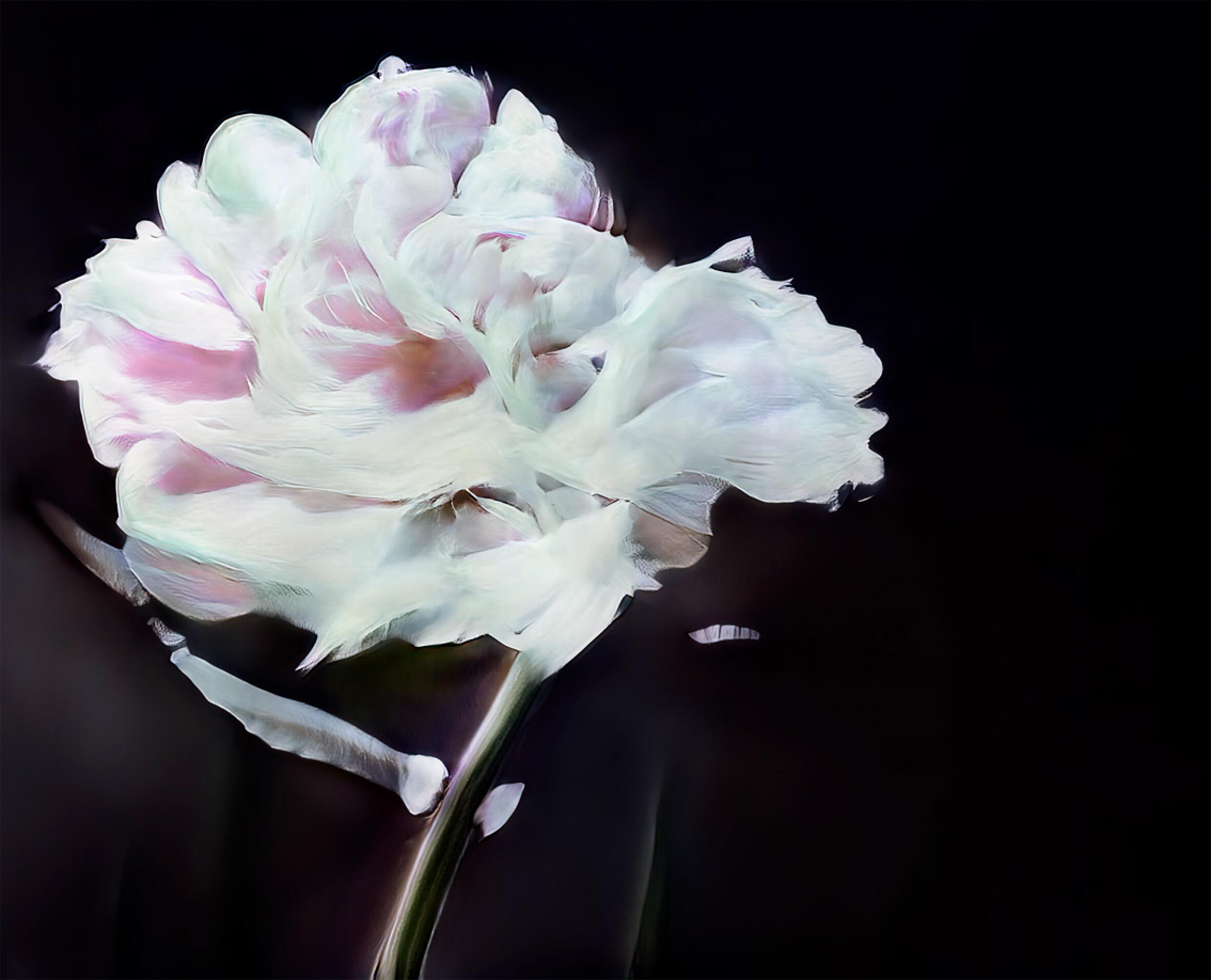
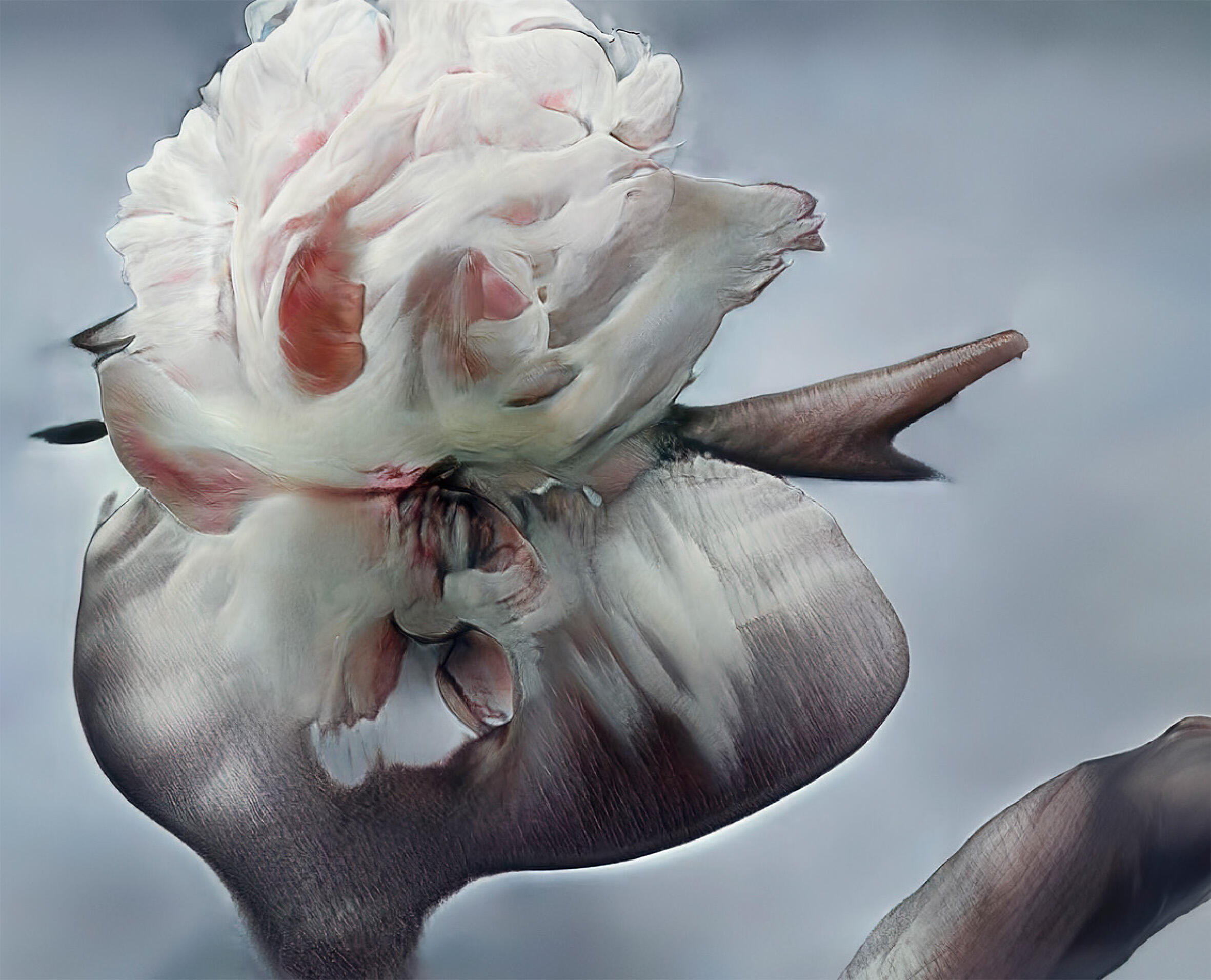
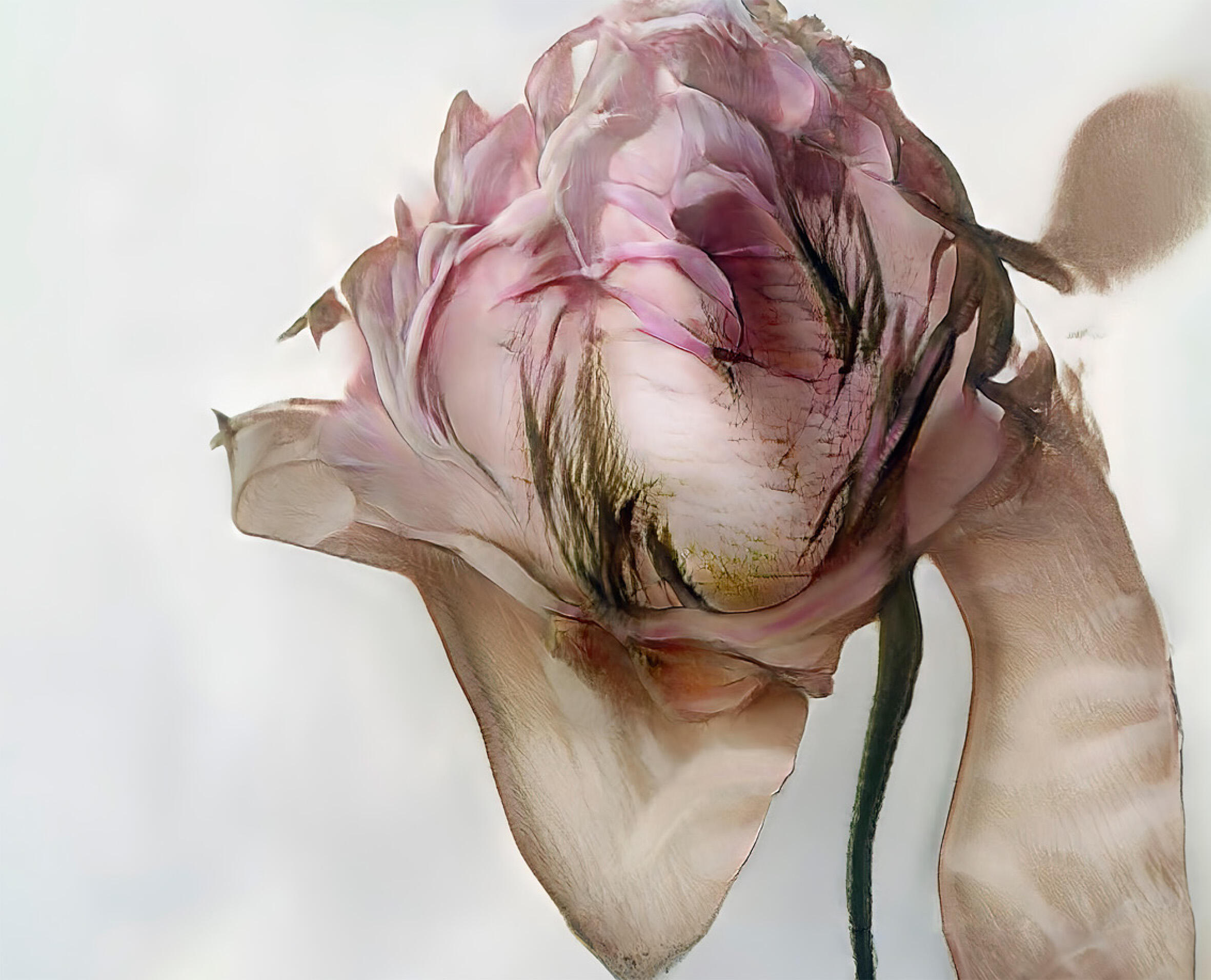
It's trained on my reality—my pictures—and it interprets them into its version, then I interpret what I like from that. It's very time-consuming, very slow, very cumbersome. You're deeply involved. That's what I loved about it. I find other AI much less interesting because new AI is made to fool you. This isn't made to fool you. This is obviously not real because it doesn't look real. It looks almost painted.
The project really took off during lockdown because I had time. They don't even make the software now because it's not considered good anymore. Which is great because it's an ended project. These images cannot be made again.
――How did you process the images?
They're screen grabs. I couldn't even process them out as full files. They're screen grabs from a very good screen, then you take them into another software to increase resolution—Gigapixel AI. But you have to be very careful because it finds information where there isn't sometimes. Literally, you can have a surfer appear. It's bizarre because it goes in and creates things. You have to be very careful. You might want to go to five on a scale of one to 100, because 100 makes it into something else.
Then we gave them full Latin names based on Linnaean nomenclature. We got a botanist to assign them. We created hundreds of names and assigned them to the flowers. New names for flowers that don't exist.
PHOTOGRAPHY AND TRUTH
――You photograph reality but also work in the realm of fantasy.
I always do that. Even with reality, I manipulate reality into a different realm. My philosophy is very strict: no photograph tells the truth. They can't, even if they wanted to. All photography is lying because it's all opinion. As soon as you make a frame—everyone thinks black and white photography is more real than color, but the world is not in black and white. So I think we have pretty carte blanche with photography, as long as people realize it.
There is a mixture of many different kinds of flowers in these images. The flower is an idea, right? There are so many different kinds of flowers, but you have an idea what a flower is. They all could be real flowers, but when you look at them you realize, of course, no.
――How did this book come together?
I'm very happy that Sigma, as a classic lens manufacturer and camera manufacturer, is interested in doing this as part of the Sigma Foundation. It's very beautiful that it's next to Julia Hetta's book, which is very traditional, really beautiful, very poetic photography that I could see being part of a Japanese tradition.
If there's one thing I've been rebelling against my entire career, it's having to follow normal rules. They're doing it, so I want to do the opposite. And now there's loads of computer-generated imagery, but when this project started six or seven years ago, there wasn't a lot.
The book includes a quote by Norwegian author Karl-Ove Knausgård, a friend of Greger's and mine—the first line of his famous book series 'My Struggle.' It felt right for this project. There's something poetic about something very beautiful that never existed, never will exist, but only exists as an image. So I guess it's closer related to a painting than a photograph.
――How does this fit within your larger practice?
My life is almost like living like a top athlete—absolute concentration on projects because they're big. I did 20 days for Cartier this year where we worked with panthers. Photography, even in a super controlled environment, is almost like going hunting because the animal does what it wants. You take a whole day to get that little moment where the paw is there, the eye is there.
But then you have a project like this that can be born out of all the things you've done, which is very stimulating, satisfying. I did a book for Vuitton with pictures from my skiing trips. I'm starting to become more in love with those projects than my everyday job because it's very satisfying.
What I find more satisfying is working on projects for a longer time and giving them a life outside of the immediacy of advertising media. Instead of being part of the mill that produces more and more pictures every year, it's nice to do projects that go outside that stream and make their own life. Projects where you end up with something you'll look back at at the end of your career and think 'Yeah, that was worthwhile doing.' Obviously they're not as commercially viable, but you're doing it for love, nothing else.
I like to be given tasks and then run with it. I like limitations. For this, the limitation was 'these flowers exist, what can I do with them?' At some point in your life you end up trying to photograph flowers your way, because everyone has done it—Horst, Mapplethorpe, Penn, Knight. This was an interesting way of ticking that box.
――These images almost look like fabric or part of a dress.
I was amazed to learn that there are species of flowers that come into existence for maybe a couple years or maybe even just one summer, and then they no longer exist. So the rate at which flowers are continually evolving is beyond comprehension. Very beautiful.
Photography is very immediate. This project isn't immediate. This was very slow and controlled and manipulated. I think that's why I find it harder to look at now than a photograph. A photograph—you can relate to the smell in the room, the music, the noise of the street. But this was created in a vacuum, the lockdown vacuum. Me sitting late at night selecting pictures and being excited.
Usually you're super excited when you create it, then you see all the things you should have done. Then after a while you fall in love with it again. It's like these flowers—they existed for a moment, during lockdown, in this obsolete software that doesn't exist anymore. And now they exist only as images in this book.
Other articles