IMPRESSION
The Long Journey of Trees
CONTEMPORARY
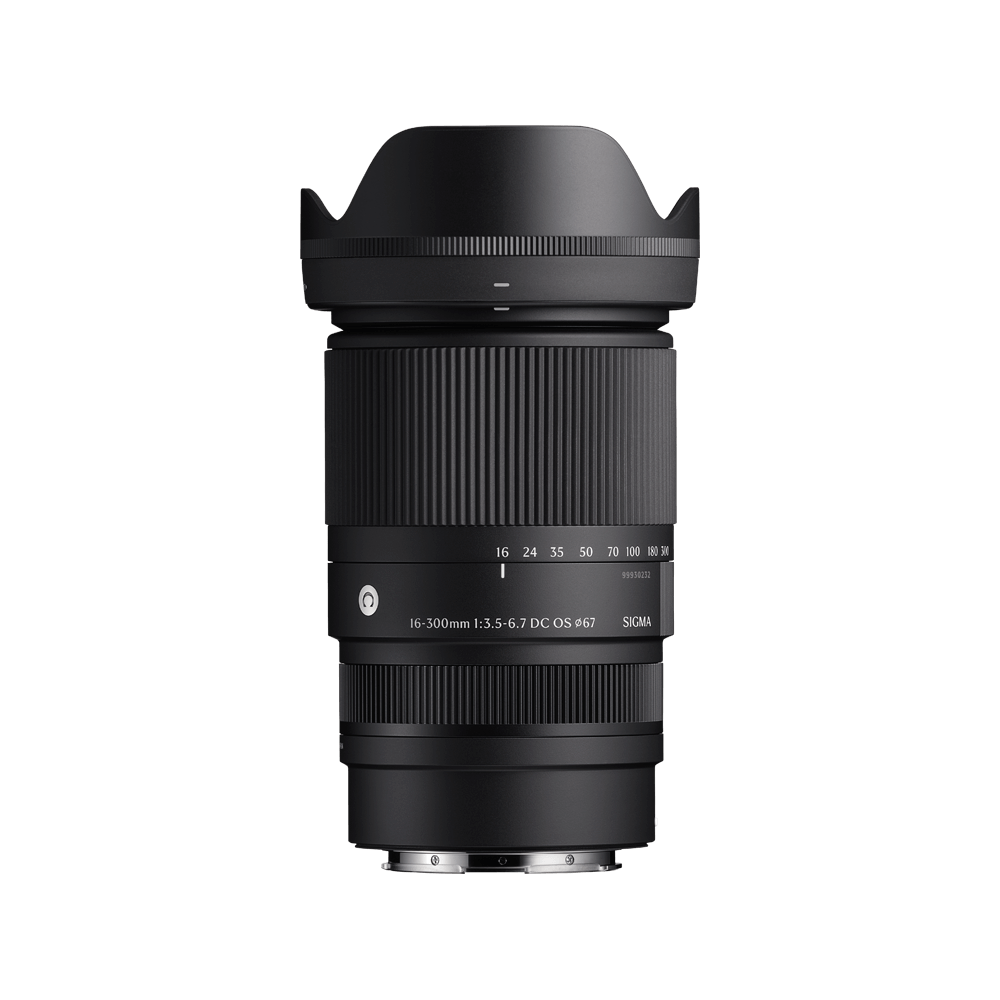
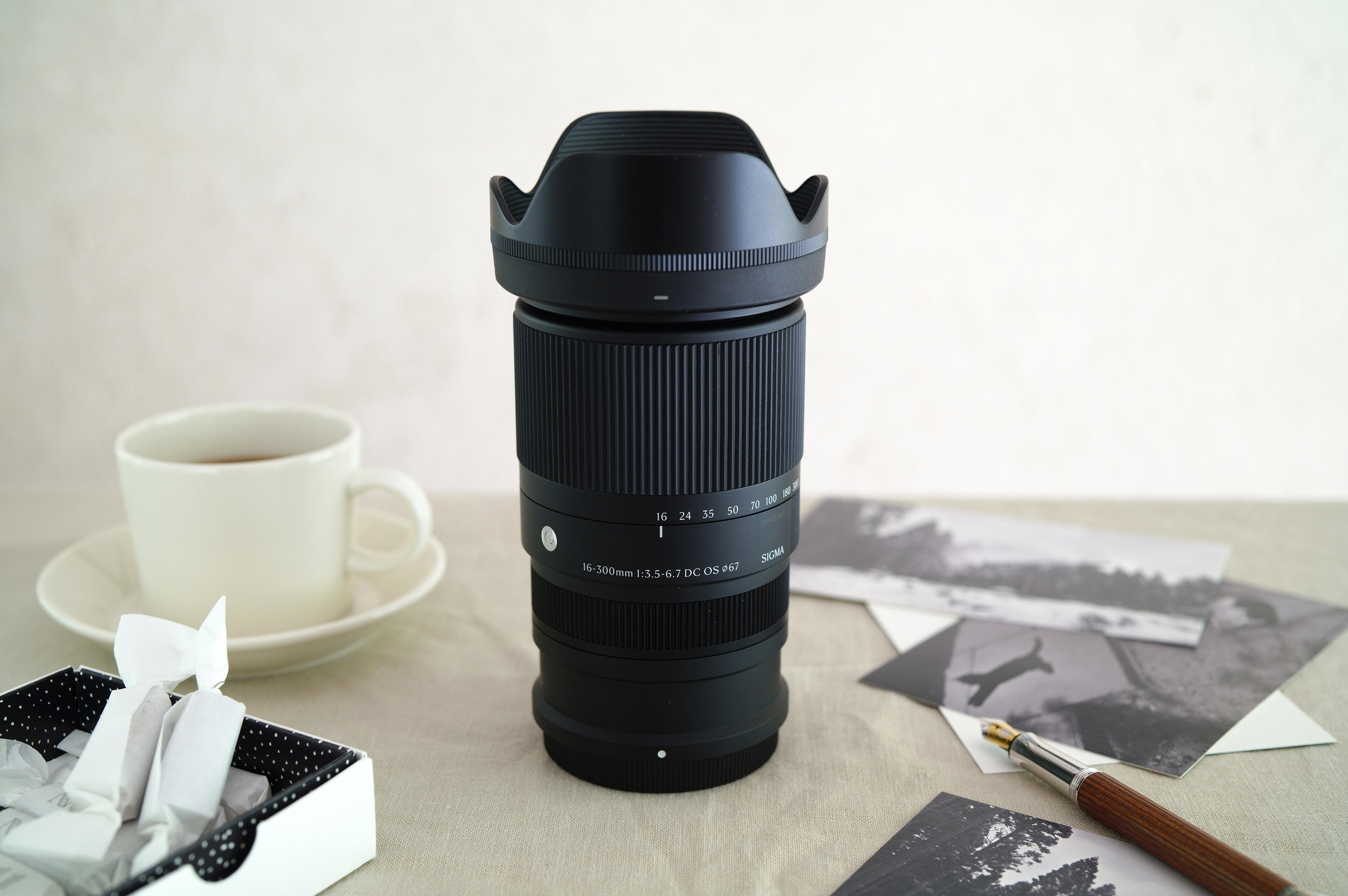
16–300mm F3.5–6.7 DC OS
by Noriko Yamaguchi
Woodcutters have been a recurring subject in my photography. I’ve always wondered what happens to the trees after they are cut down and leave the forest.
The life of a cedar tree begins as a seed in a tree nursery. After about three years, it is transplanted into the forest, where it will grow for decades. Once it reaches maturity, it is felled, milled, cut and processed, and eventually becomes part of our everyday environment. During its life, a tree goes on a long journey.
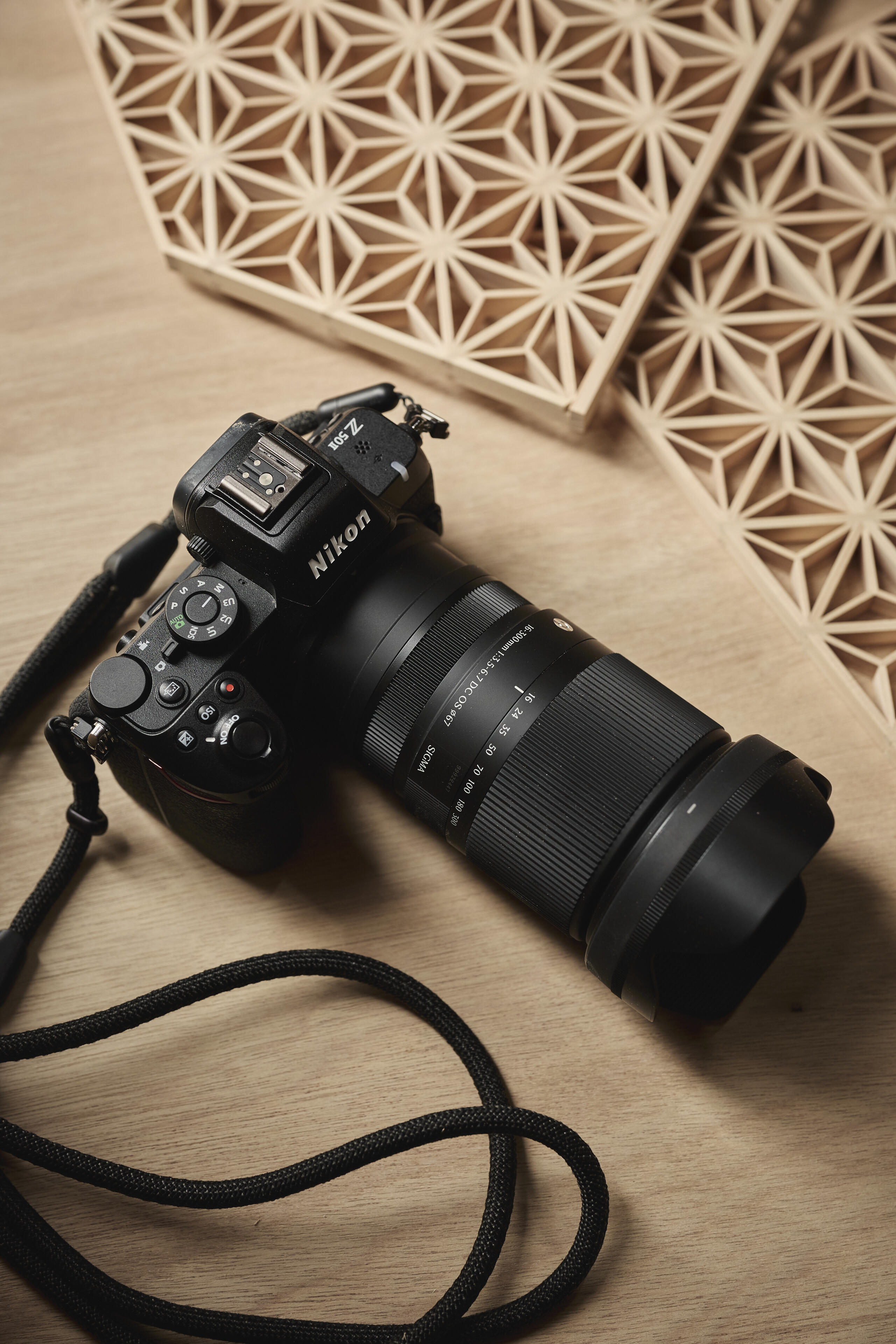
With these thoughts in mind, I visited Manaka Mokkou, a furniture manufacturer in Tokyo, with the new Sigma 16-300mm F3.5-6.7 DC OS | Contemporary on my camera.
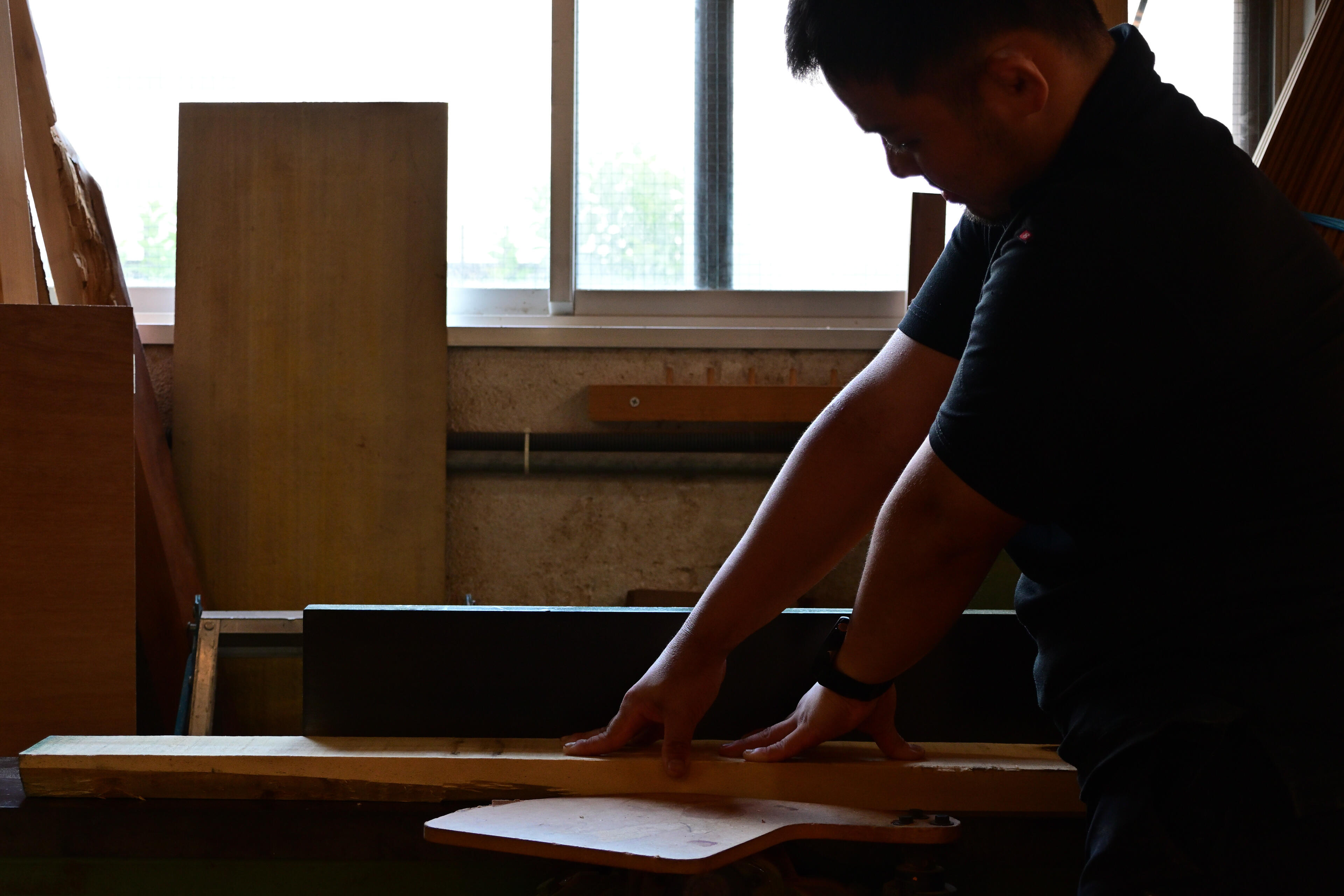
Entering the factory, I immediately smell the scent of wood. Here, the trees I’ve known from the mountain forests have taken on new shapes and forms. With great respect for the wood, the artisans carefully create each piece of furniture.
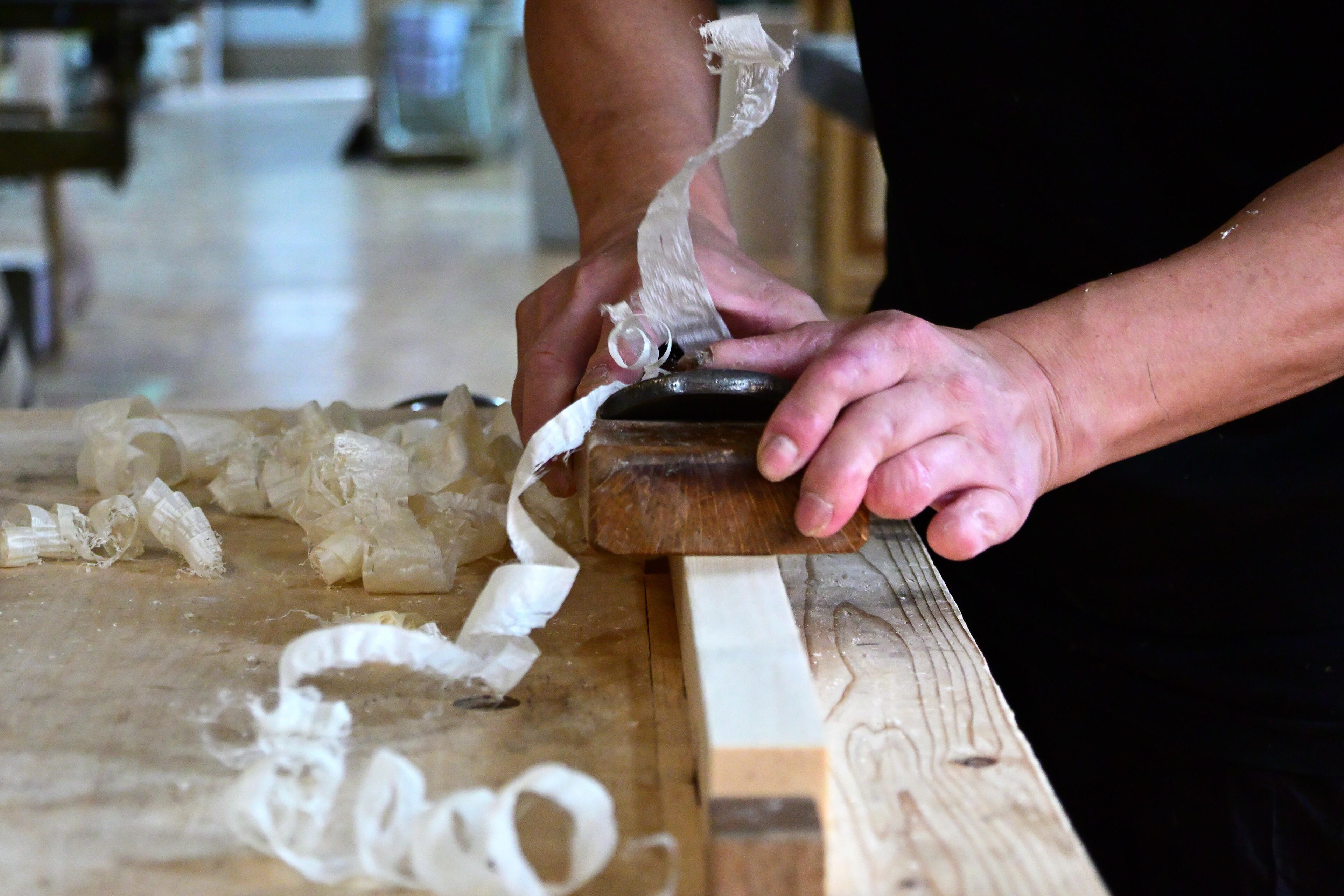
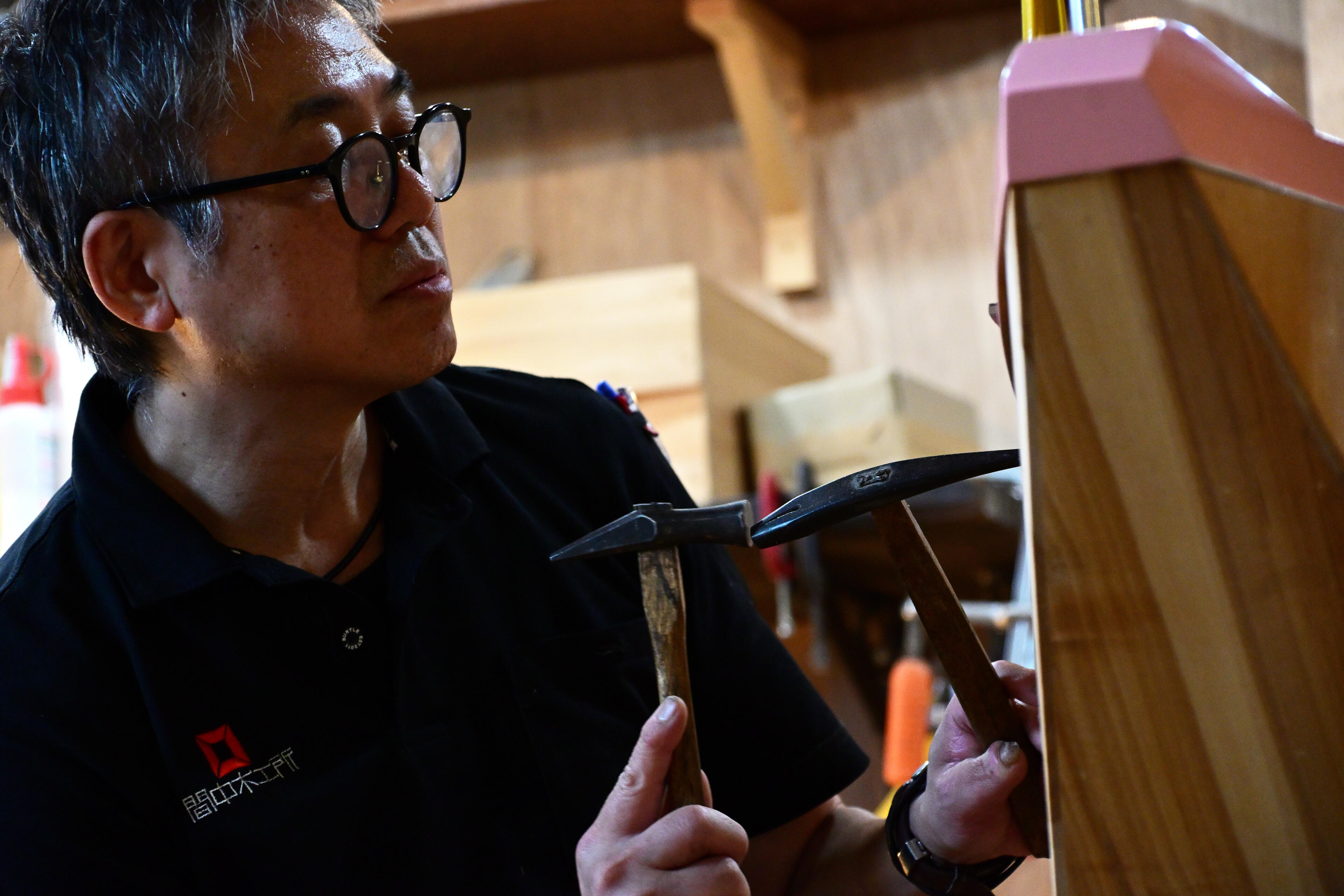

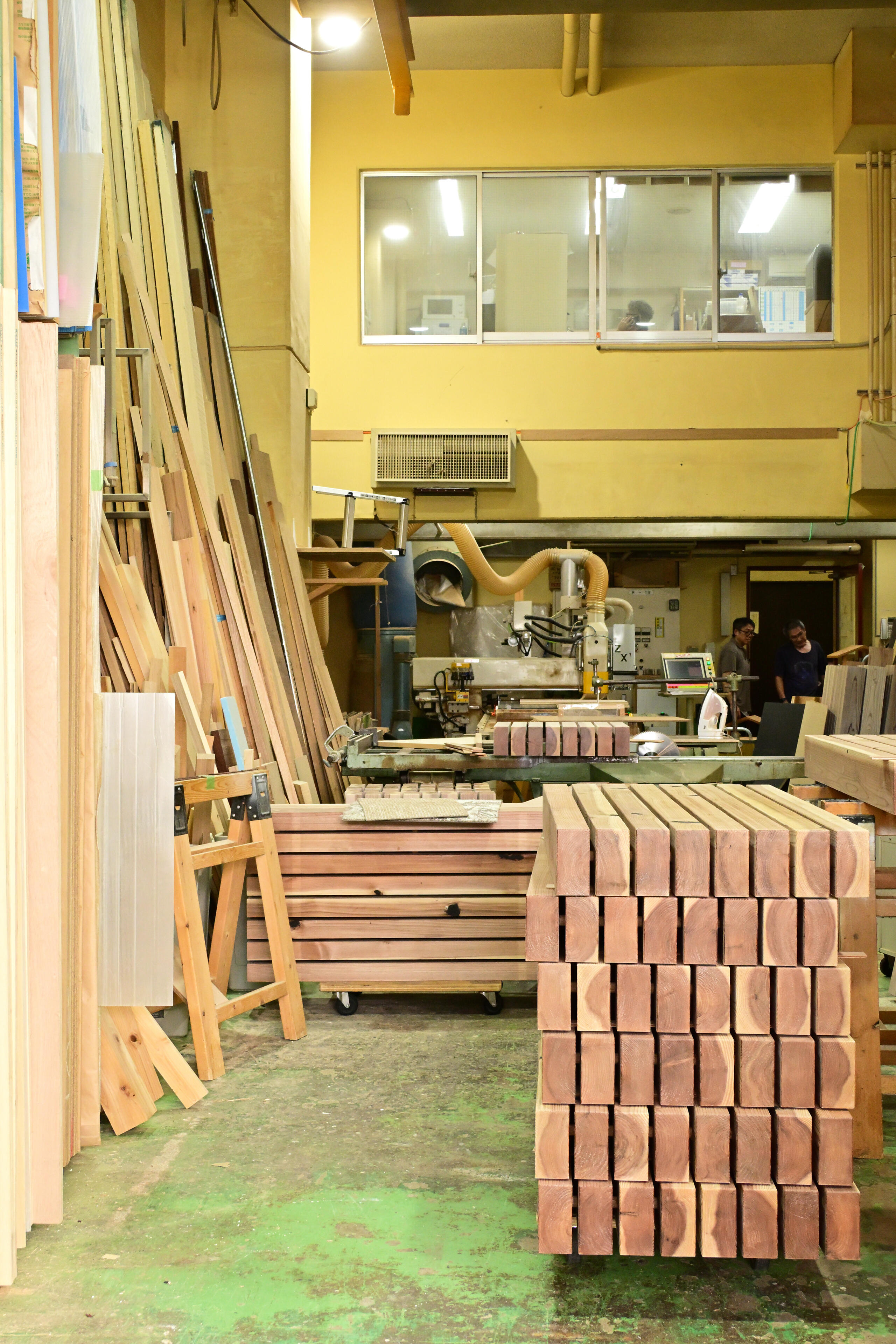
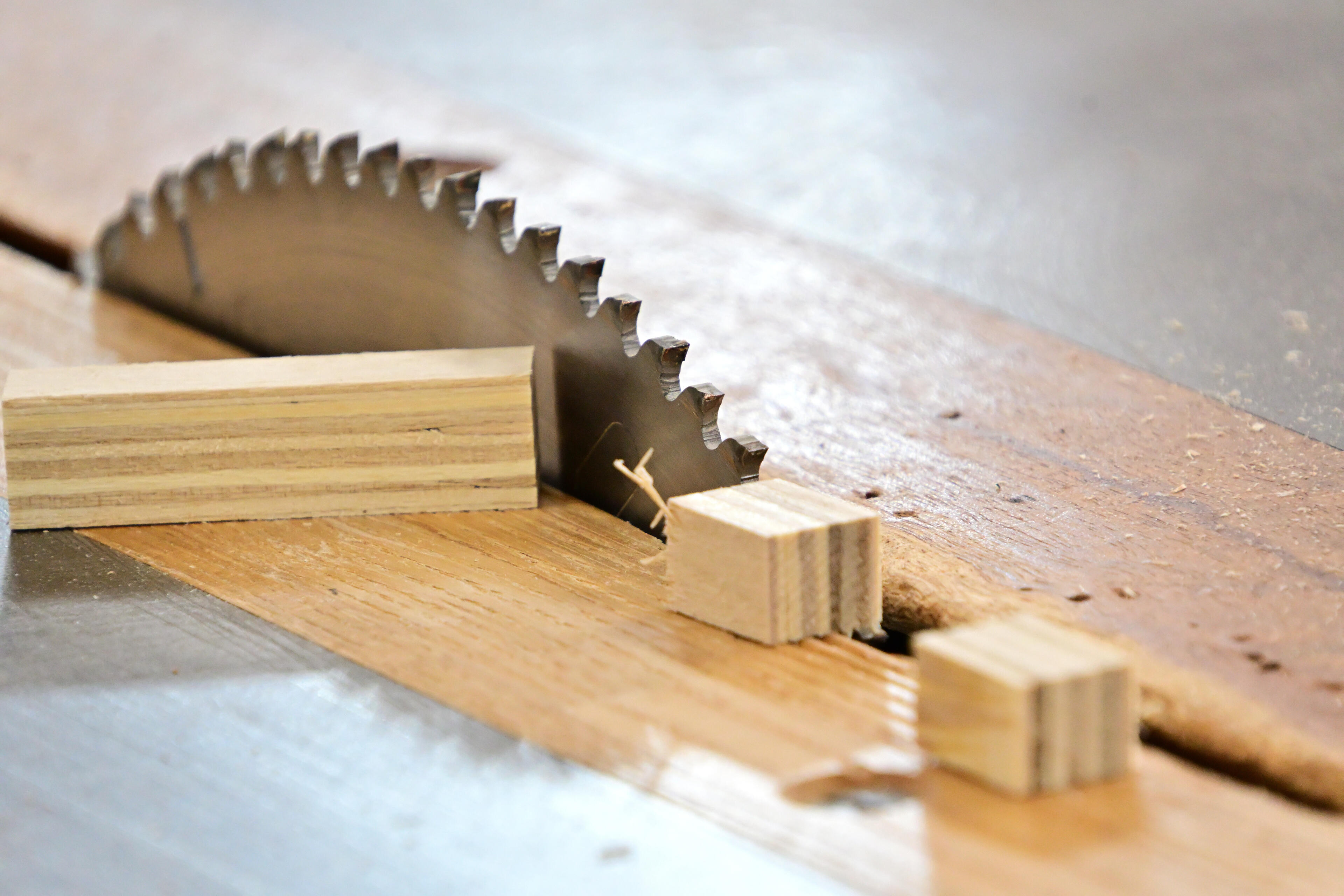
As I photograph the artisans, I take care not to get in their way. The high-power APS-C zoom lens, ranging from 16mm to 300mm, proves to be a reliable asset. With a full-frame equivalent of 24mm to 450mm, I find endless excitement in opening up new worlds simply by turning the zoom ring.
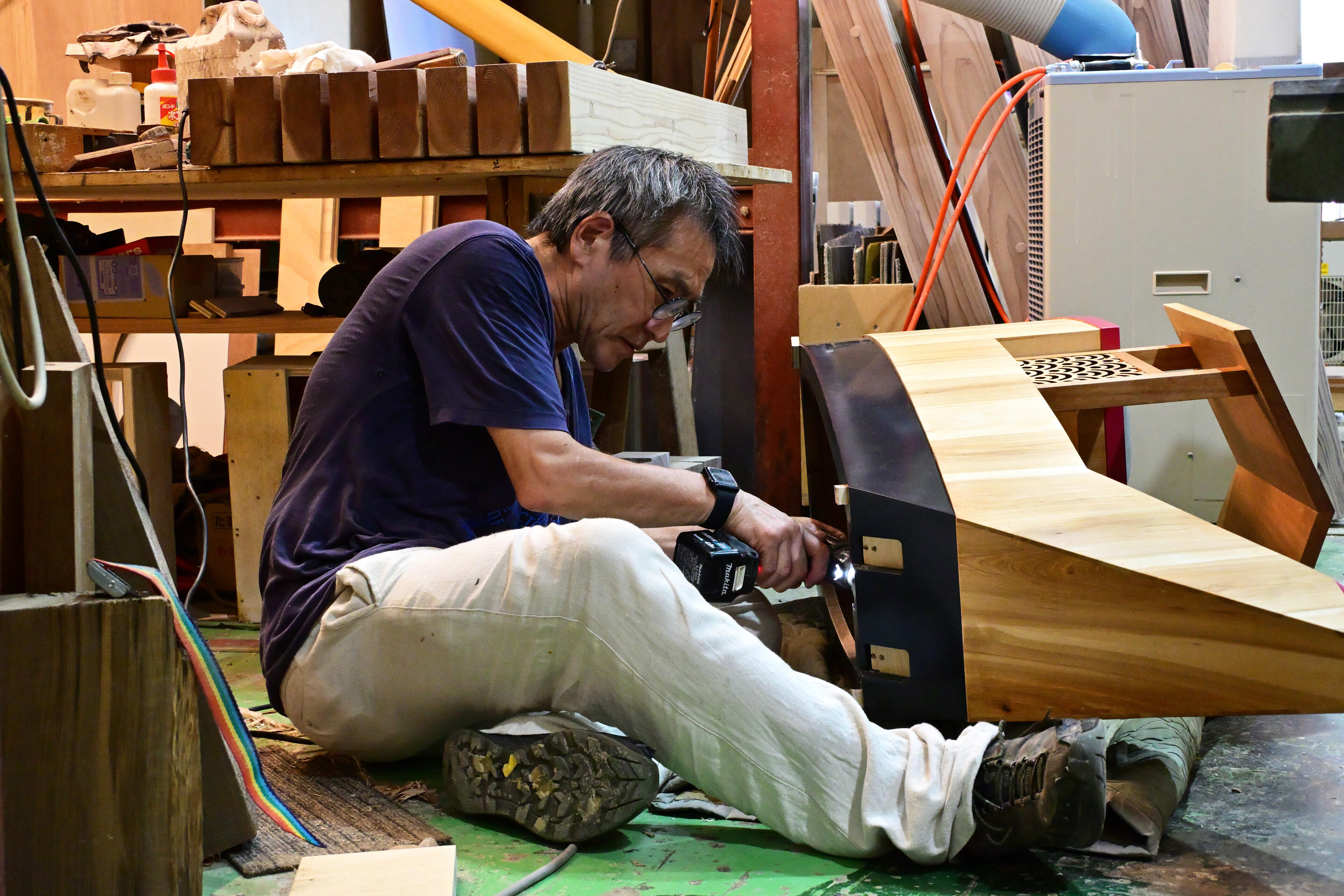
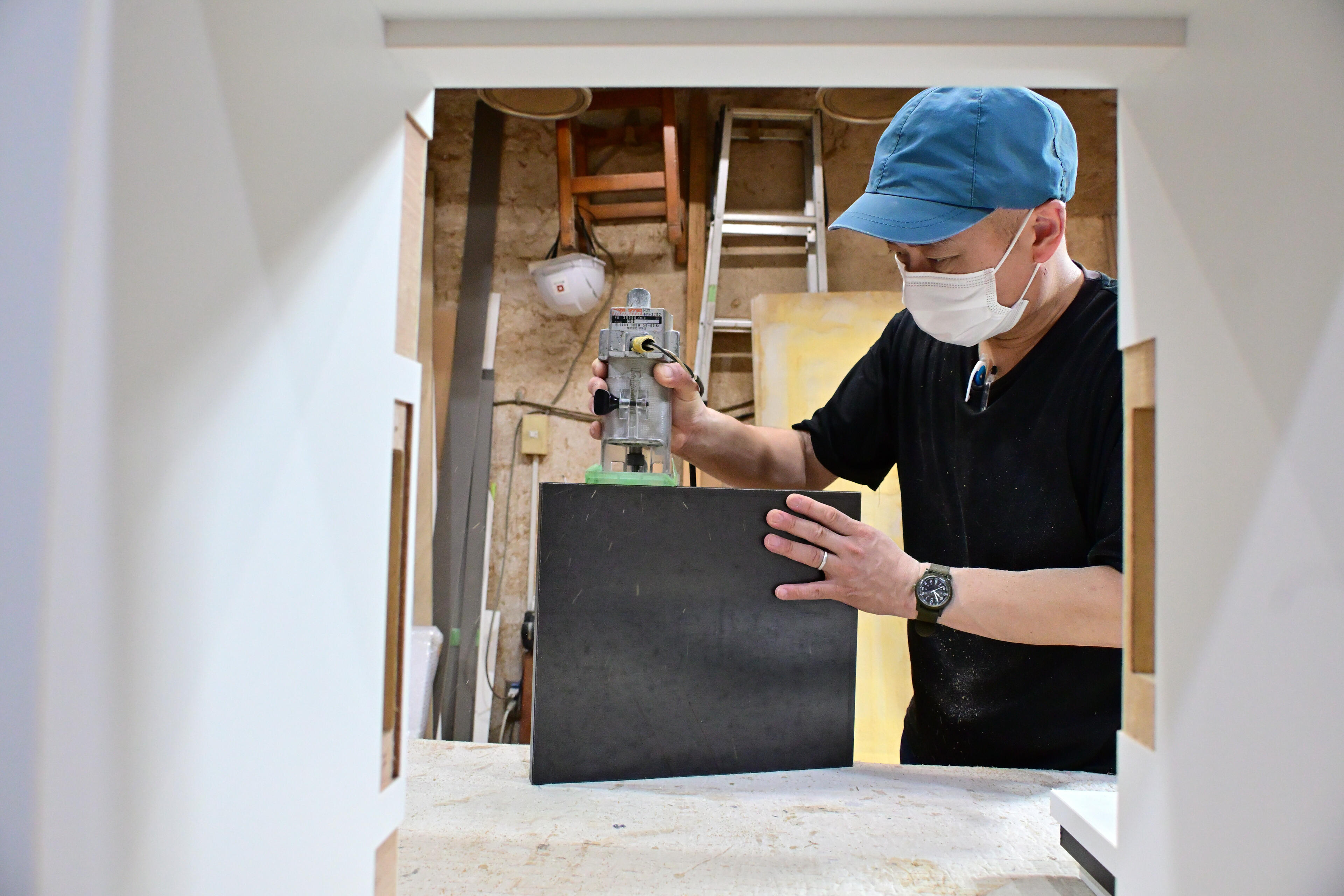
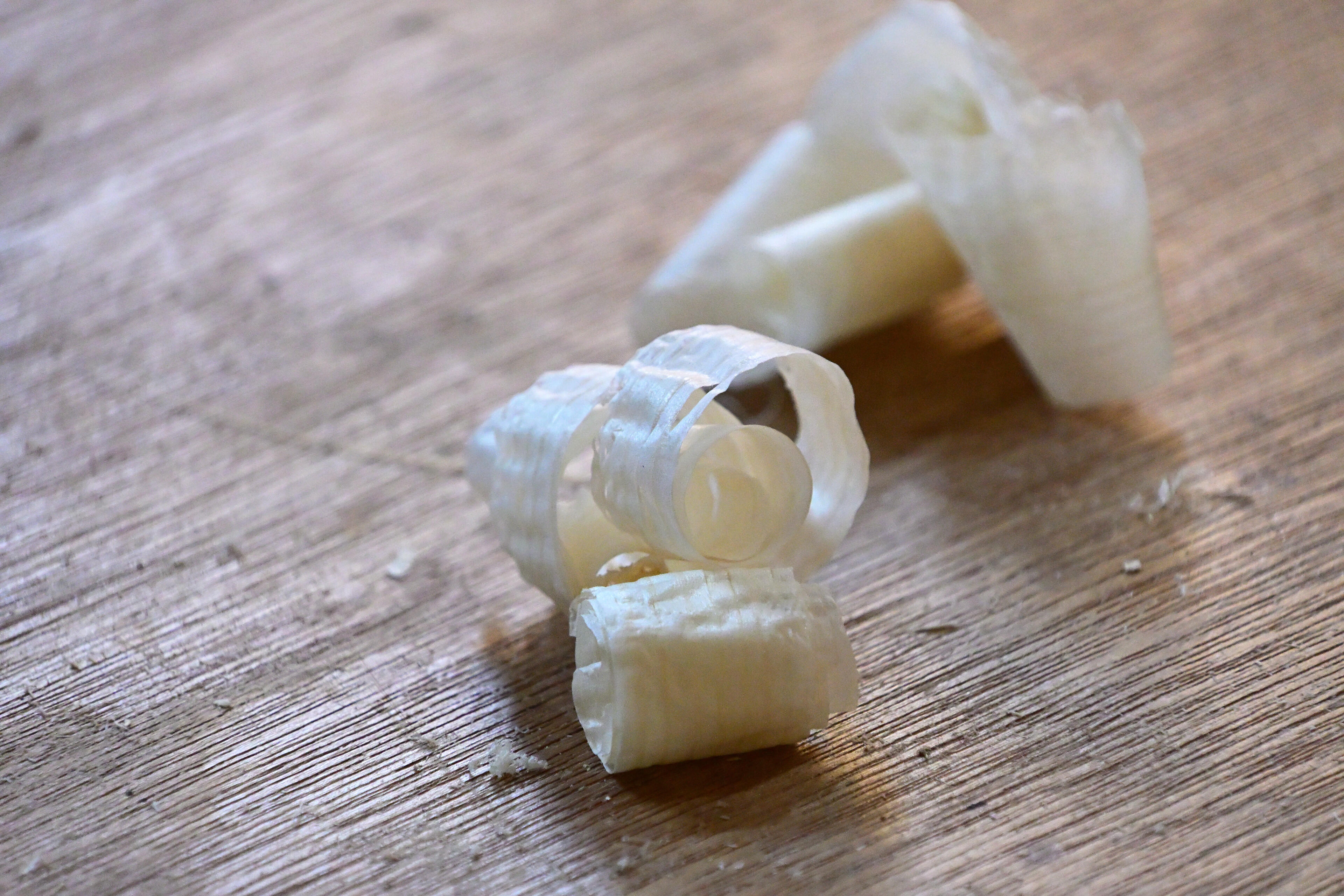
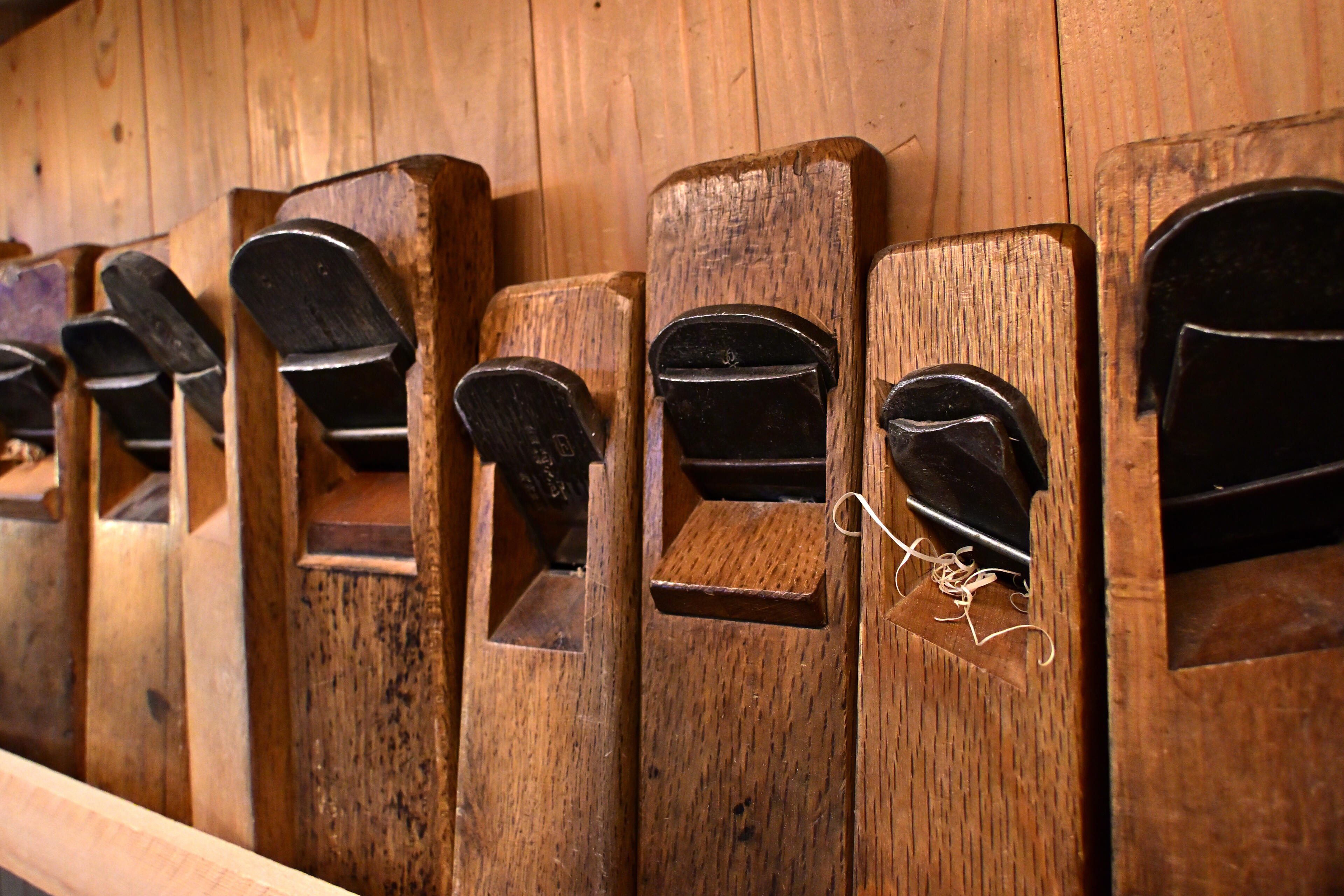
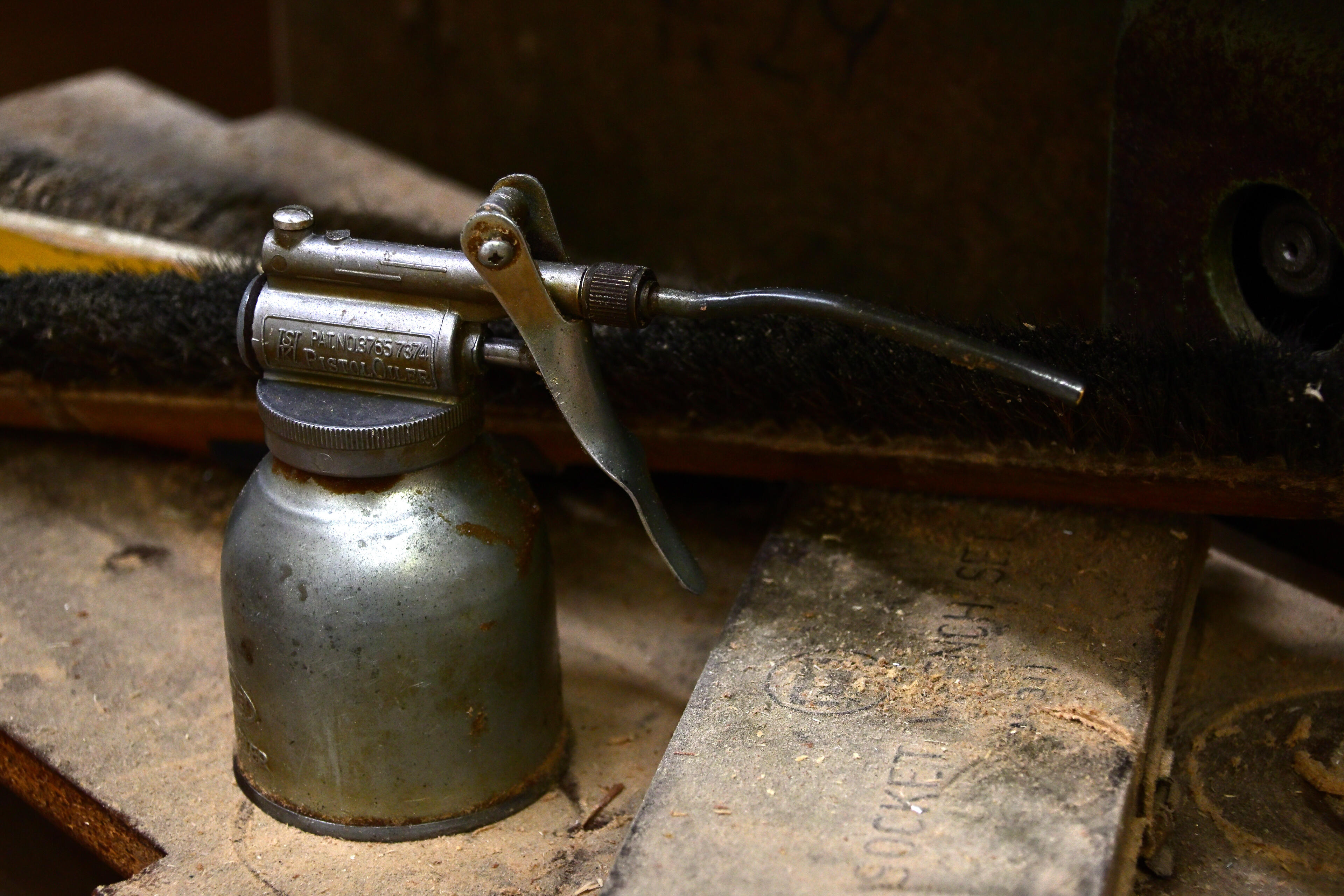
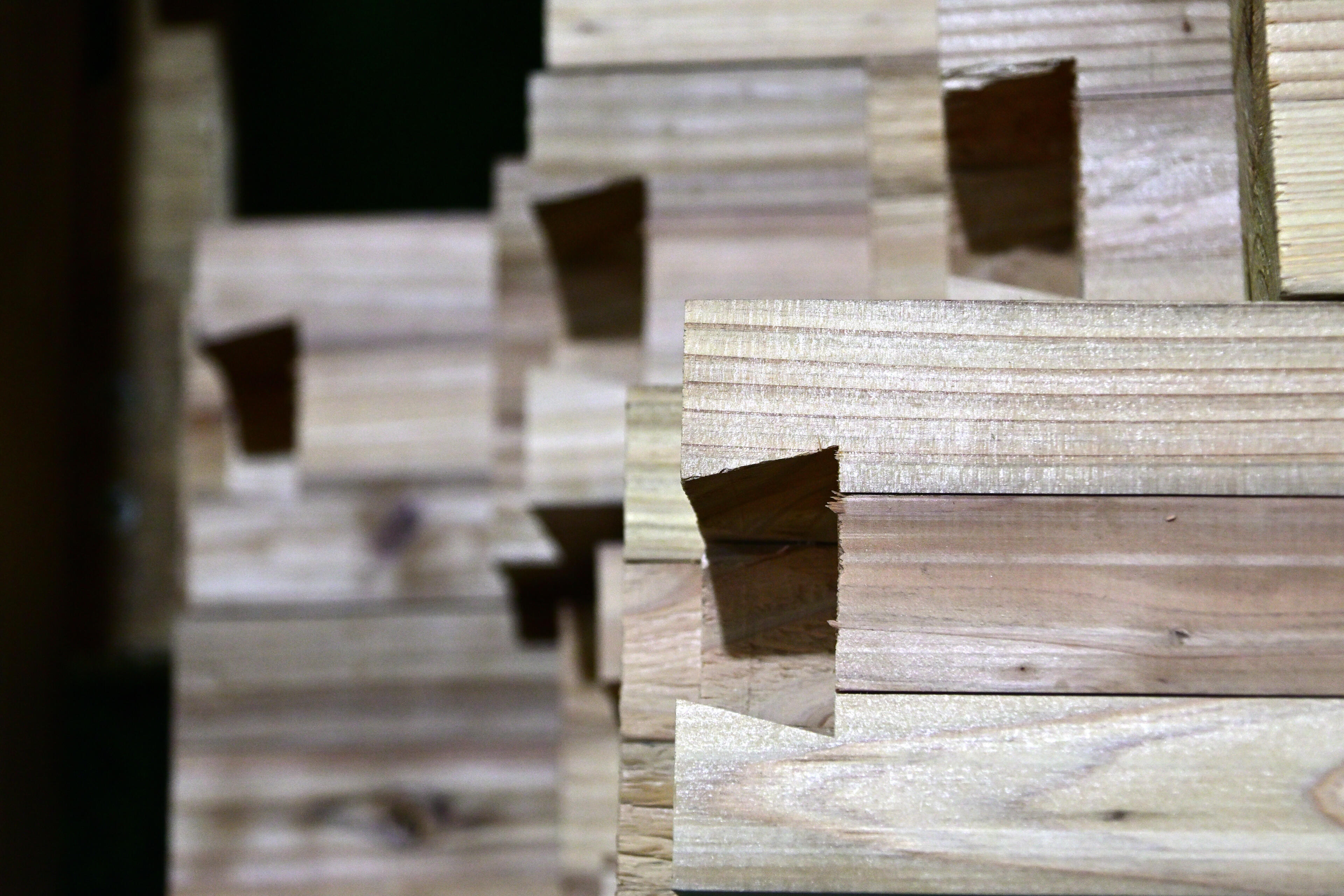
Standing in a corner of the factory, I turn the zoom ring to the 300mm setting, and the skilled hands of the artisans working at the far end suddenly appear in my viewfinder. I press the shutter button and capture the moment. From this distance, they remain undisturbed – the sound of the camera doesn’t reach them. I love working like this.
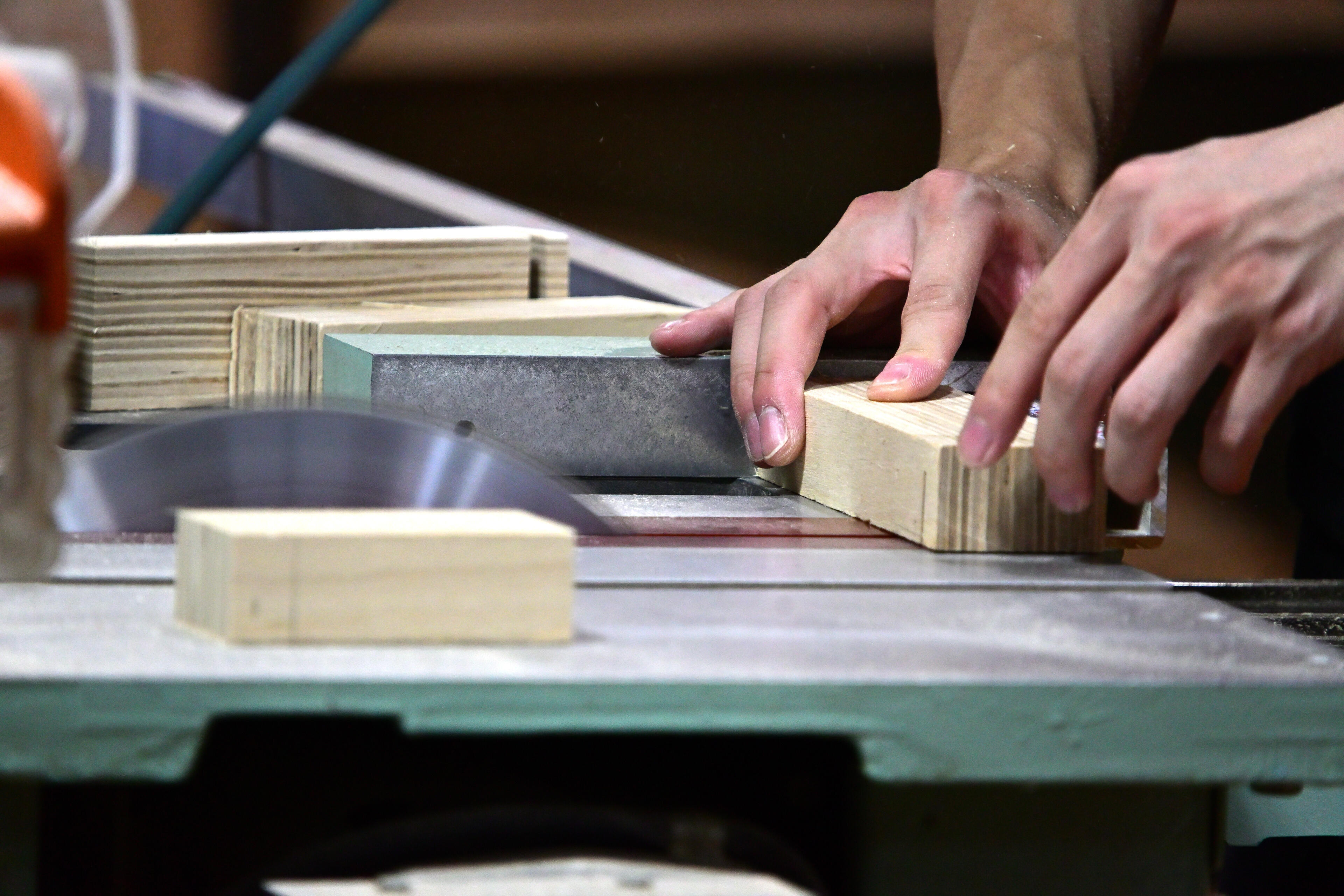
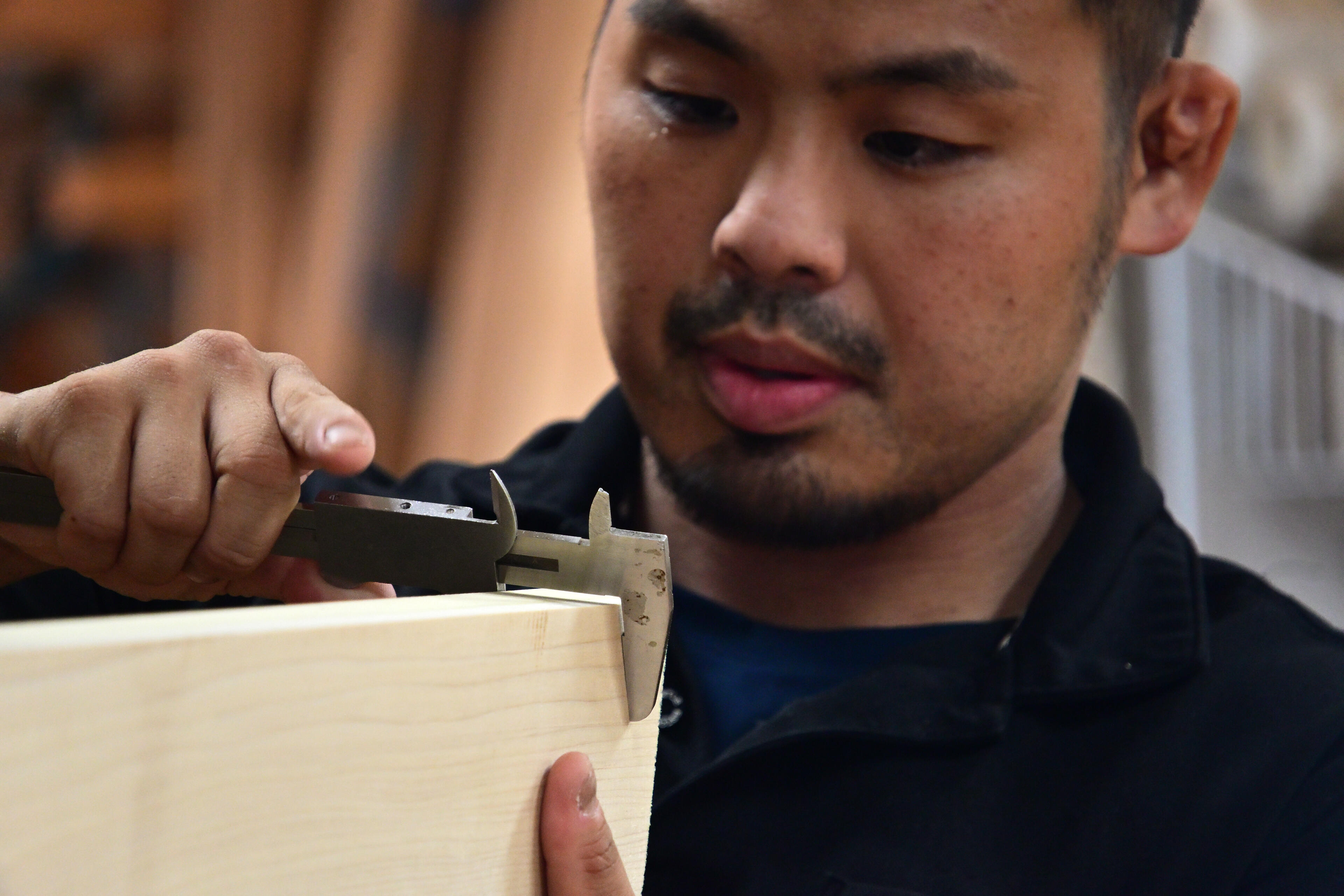
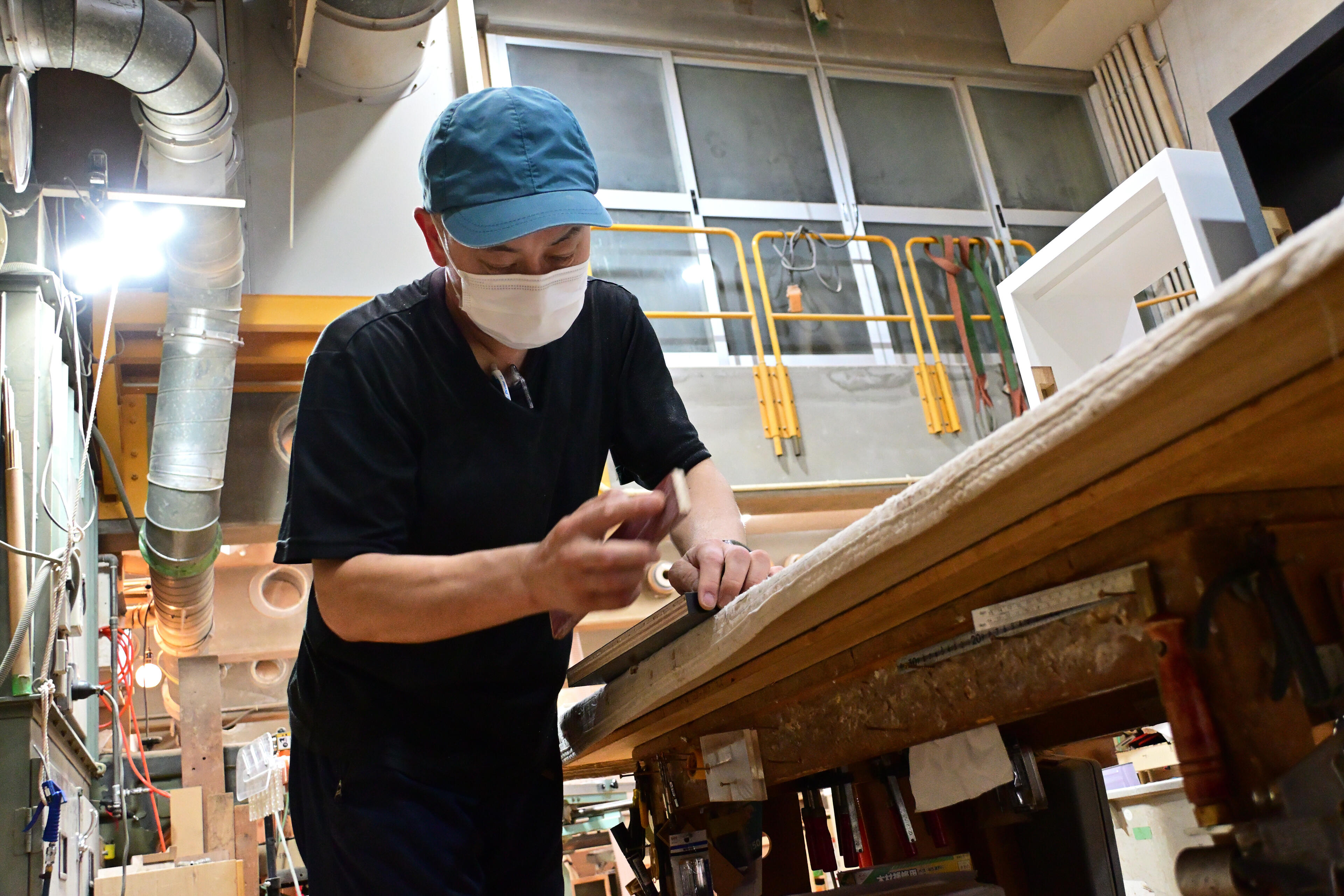
When I photograph near the artisans or shoot from a low angle, I try using the 16mm setting of the lens. I’m surprised by how close I’m able to get.
Using a 16mm lens with a minimum focusing distance of 17cm is an exciting experience. The compact size and light weight of the lens also allow me to shoot freely from unusual places: under workbenches, through gaps and crevices in furniture pieces, and more. Most importantly, I notice that my subjects never feel intimidated or imposed upon, thanks to the small size of the lens.
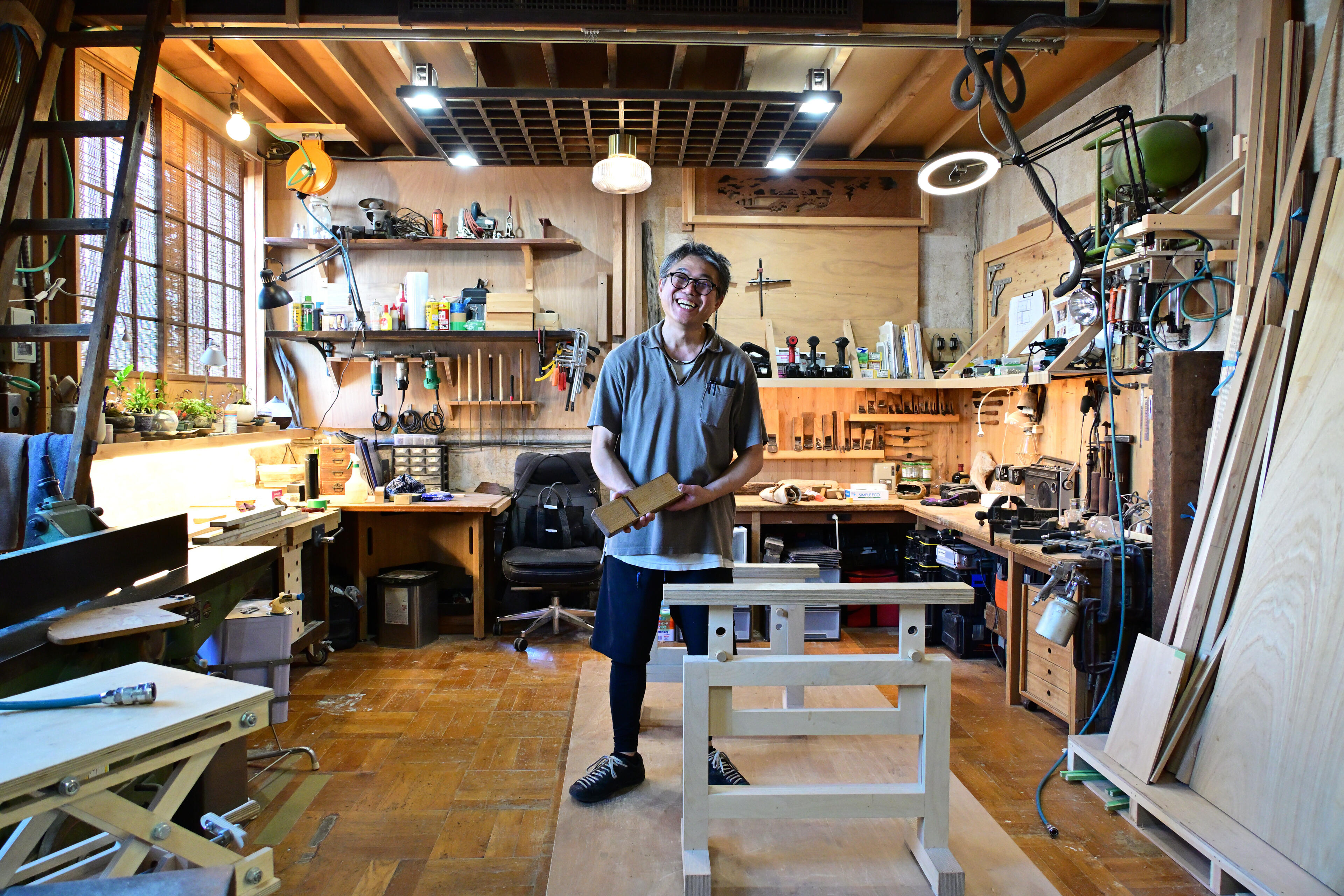
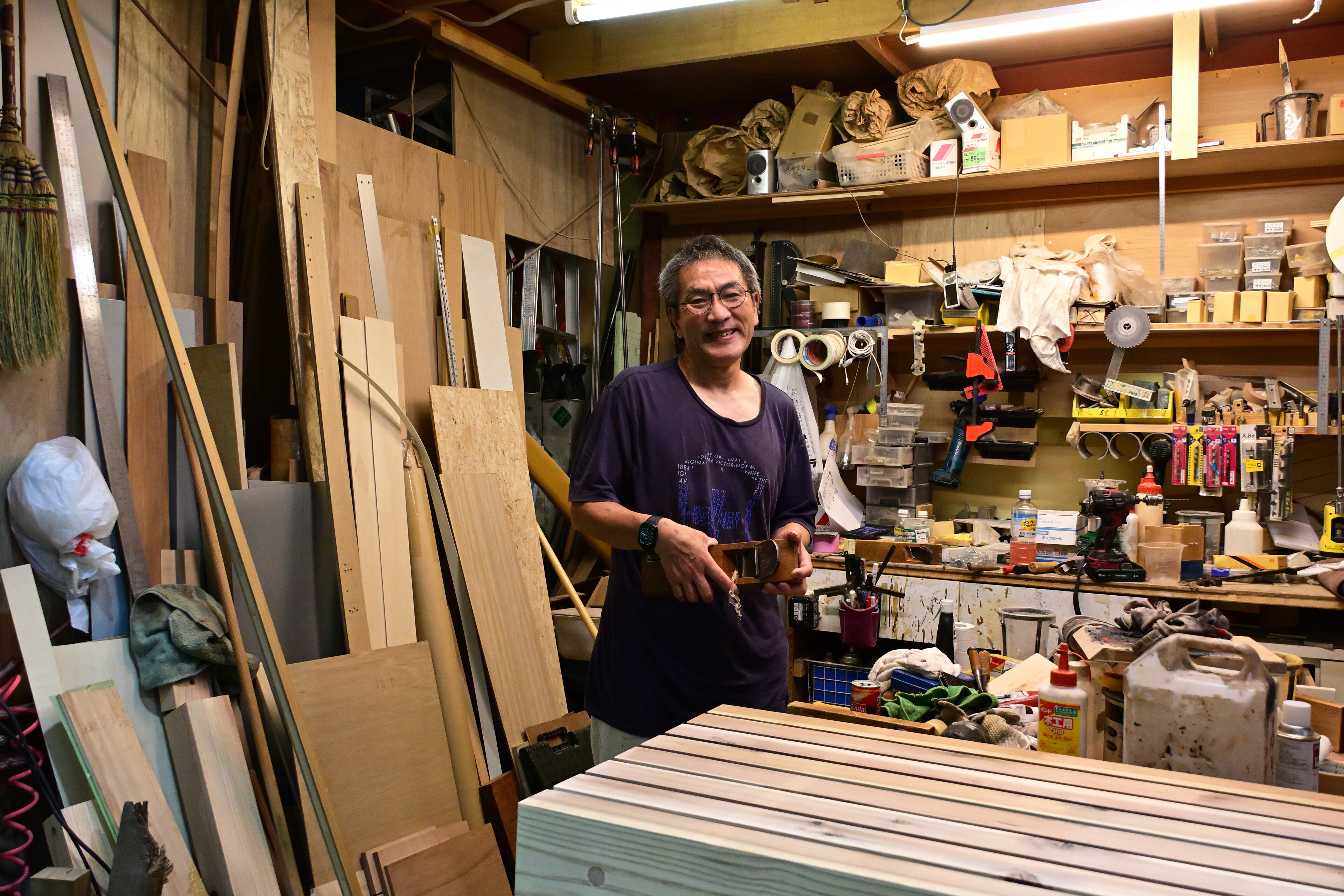
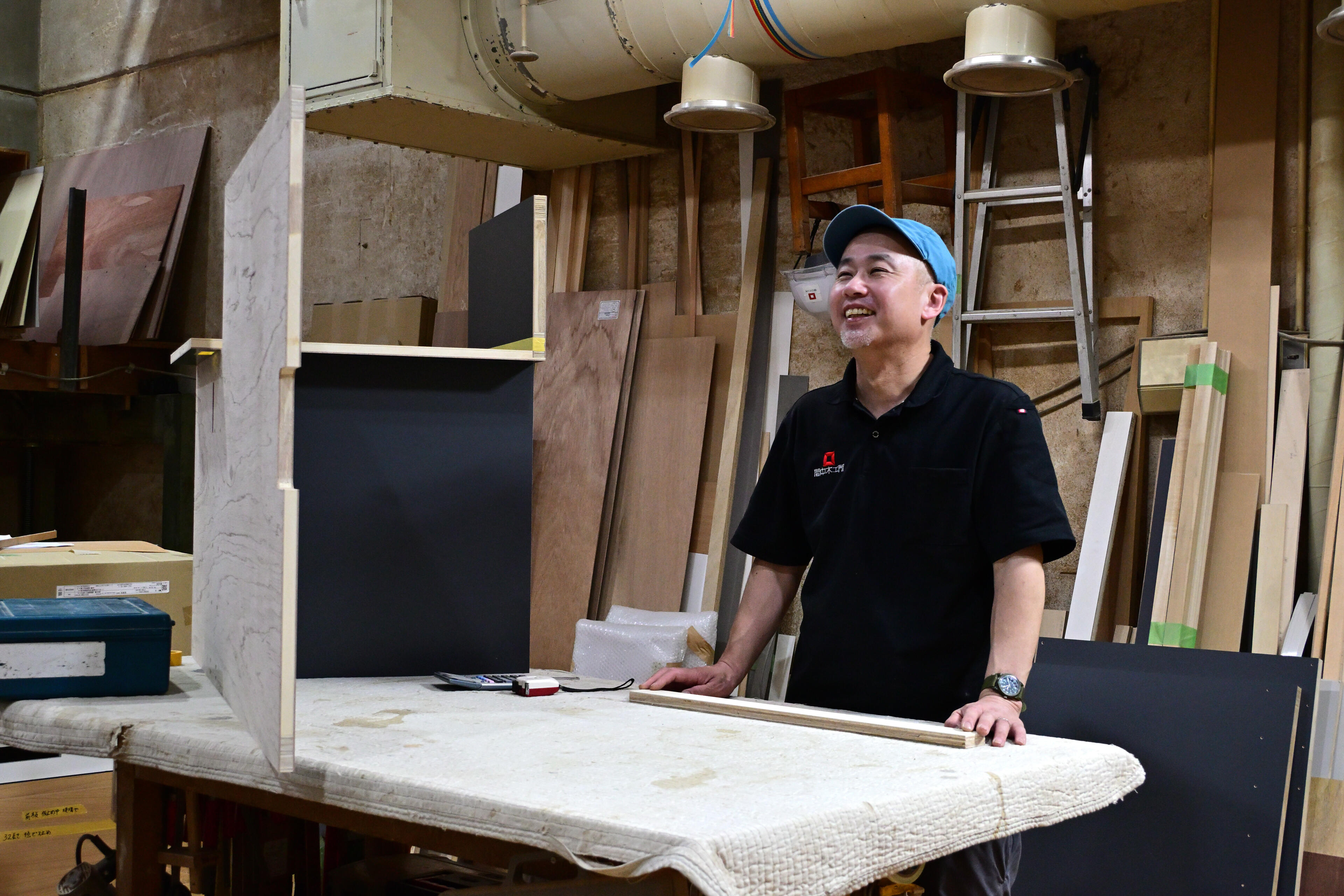
Something an artisan told me after the shoot left a deep impression on me: “We can’t do anything without our tools. We couldn’t cut down the trees, we couldn’t plane the wood, and we couldn’t hammer in nails.”
The same is true for photographers. Without a lens, we couldn’t take photos.
All the moments and memories I want to preserve exist only thanks to tools I can trust.
The Sigma 16-300mm F3.5-6.7 DC OS | Contemporary, which braved the sawdust in the factory during this shoot, will surely become one of these trusted tools for me.
BEHIND THE SCENES
ABOUT
Noriko Yamaguchi
Photographer
Noriko Yamaguchi was born in Tochigi Prefecture. She graduated from the Department of Photography at Tokyo Institute of Polytechnics Junior College. After working in the photography department of Japanese magazine publisher Bungei Shunju, she became a freelance photographer. She primarily works for women’s and travel magazines.
Her series “The Man from Istanbul” was selected for the 2nd Tokyo Biennale. Her series “Street Performers” won the 16th Japan Magazine Photographers Association Award. Her photobooks include “I Was There,” which captures Eastern Europe on black-and-white film; “Yanagigouri,” which documents artisans who make traditional wicker trunks; and “Kikori – Trees Dream Long Dreams” about woodcutters in Aomori, a project that grew out of her interest in Japanese forestry.
Yamaguchi has also photographed numerous books on cooking and lifestyle. Her interests include travel, cats, and chocolate. She is vice president of the Japan Professional Photographers Society.
With the cooperation of Manaka Mokkou Co., Ltd.
EQUIPMENT USED