IMPRESSION
Thousands of Lives.
CONTEMPORARY
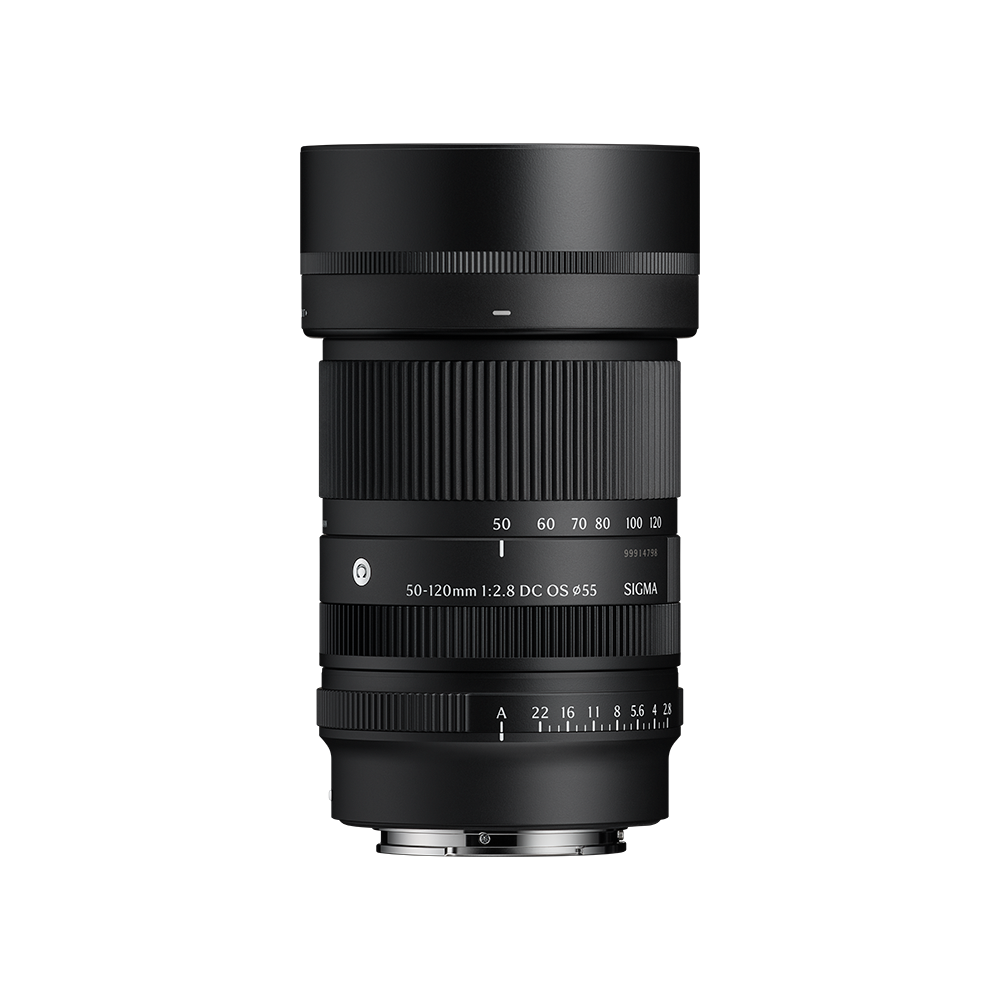
50–120mm F2.8 DC OS
by Naoki Miyashita
The lights go out early in the mountain hut.
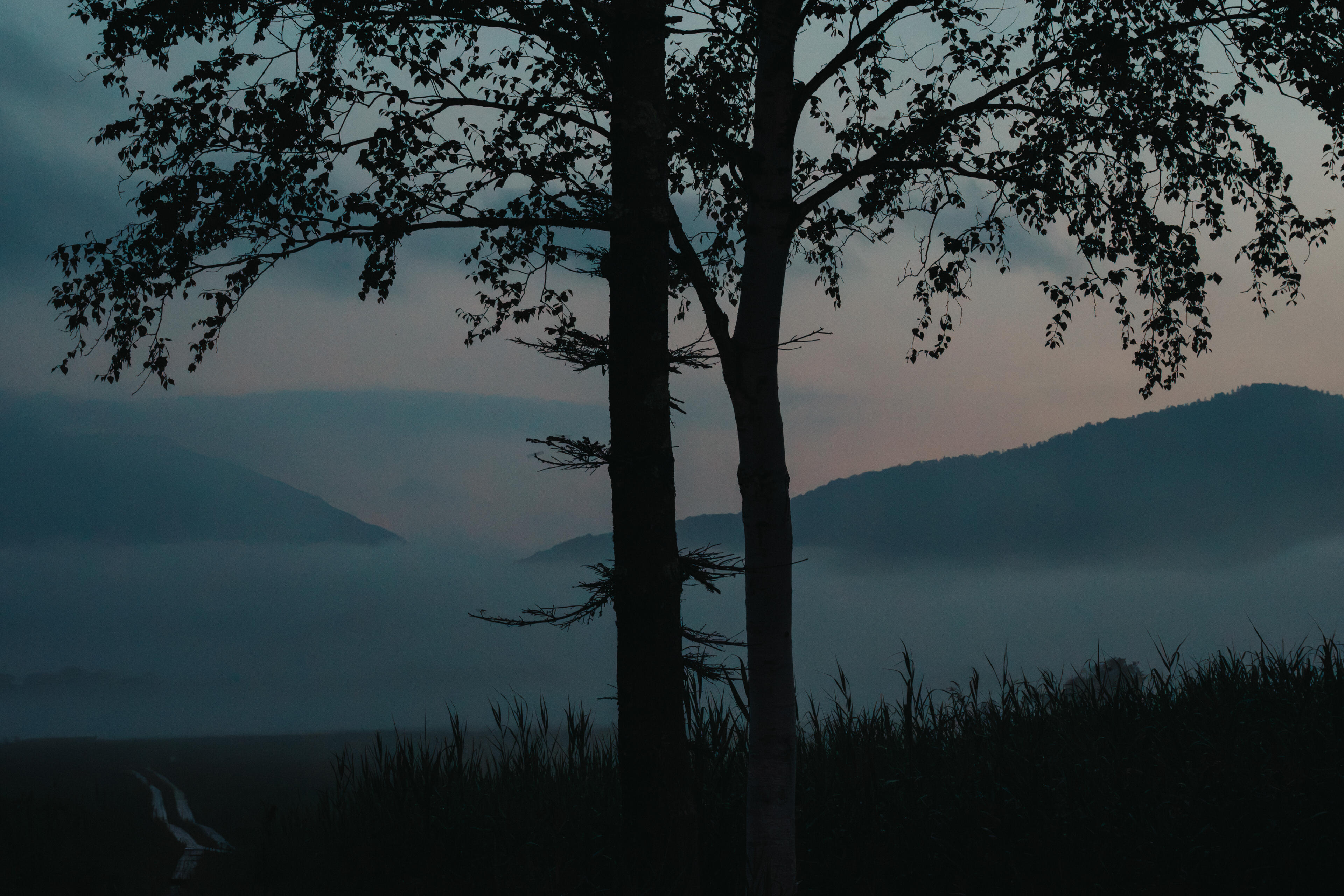
Too used to the daily rhythms of Tokyo, I lie awake, unable to sleep, when I hear the sounds of animals moving through the night outside.
There’s a shrieking cry piercing the silence. Deer, I think. With my eyes closed, lying in the darkness of the hut, the images of Ozegahara that I saw during the day come back to me.
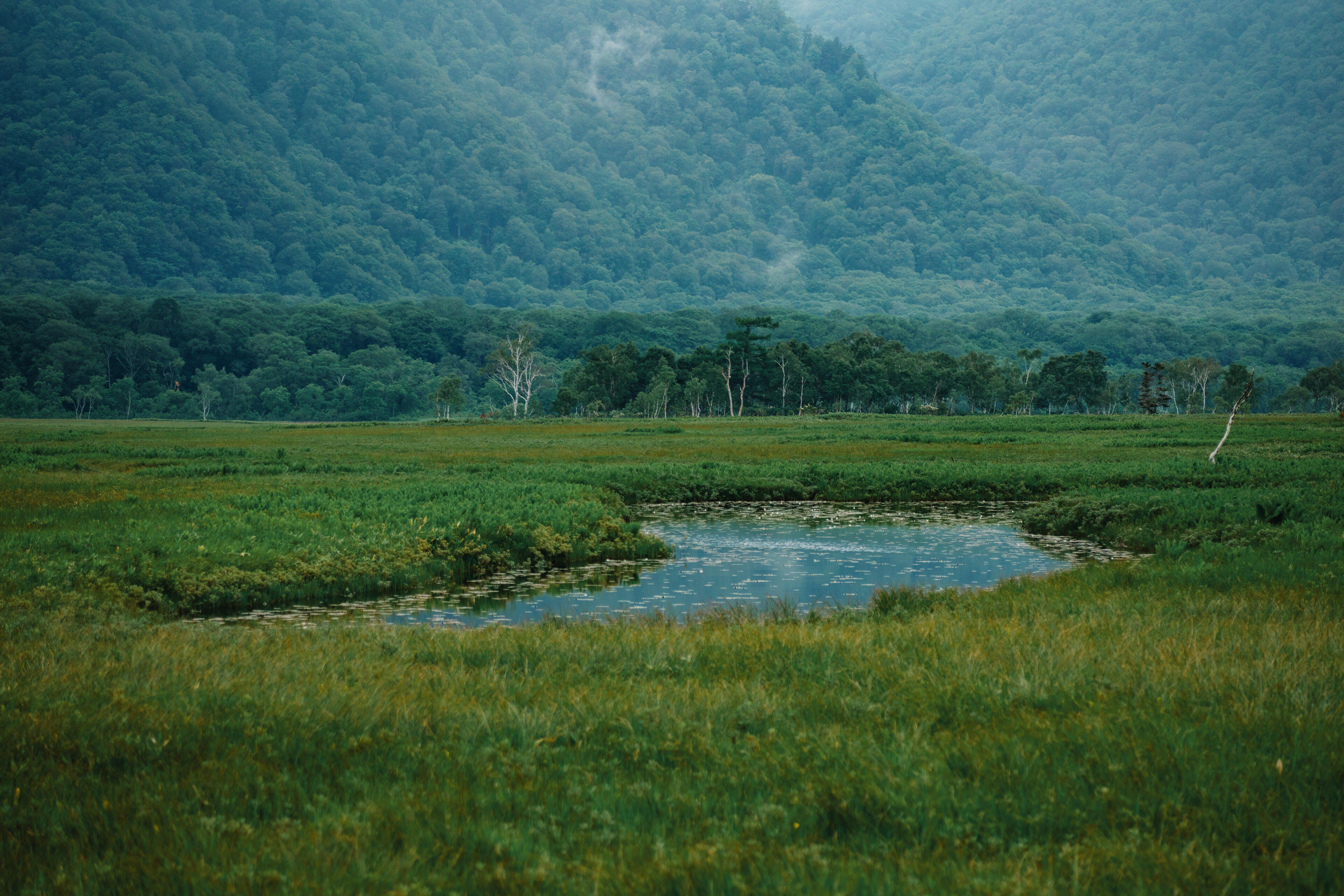

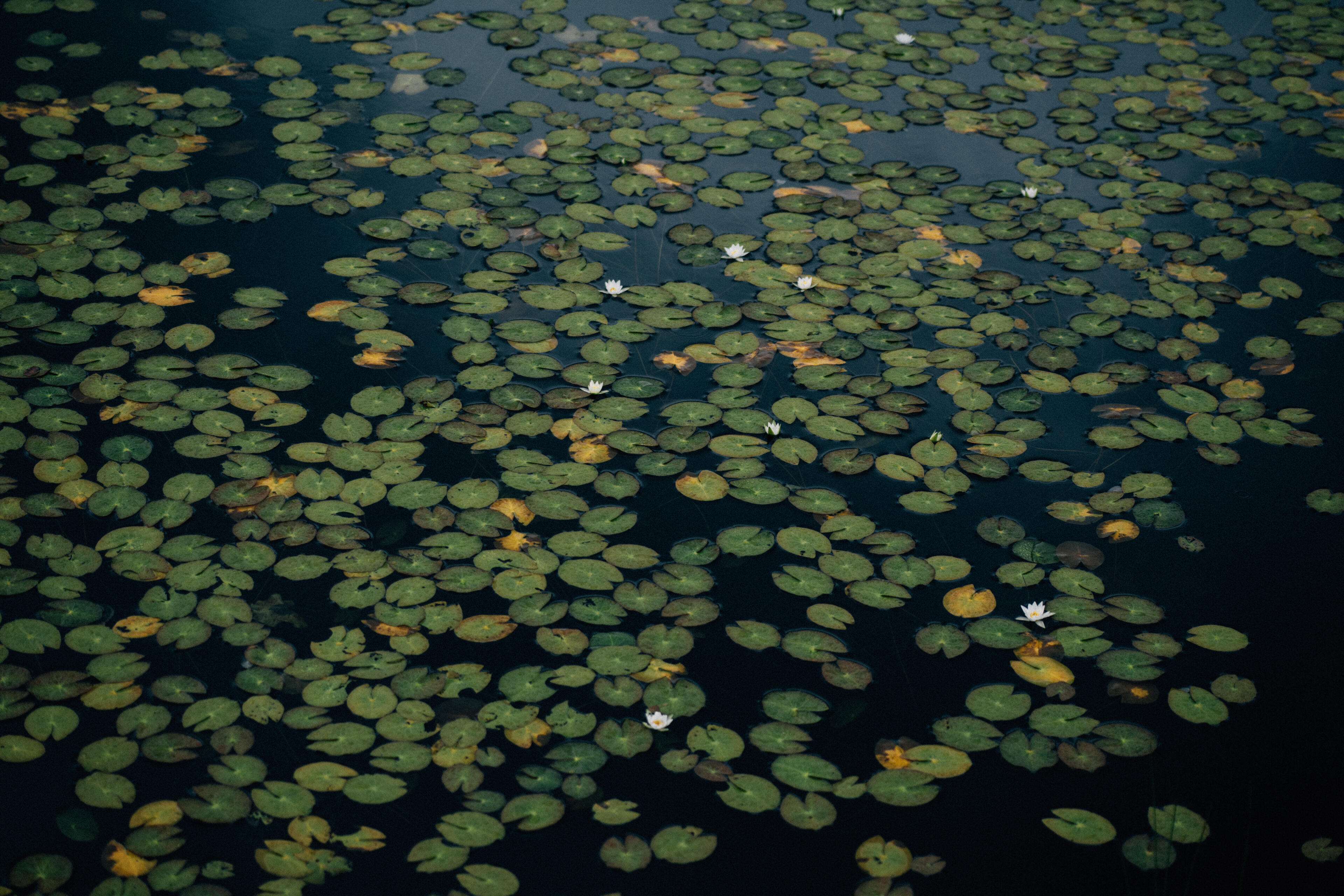
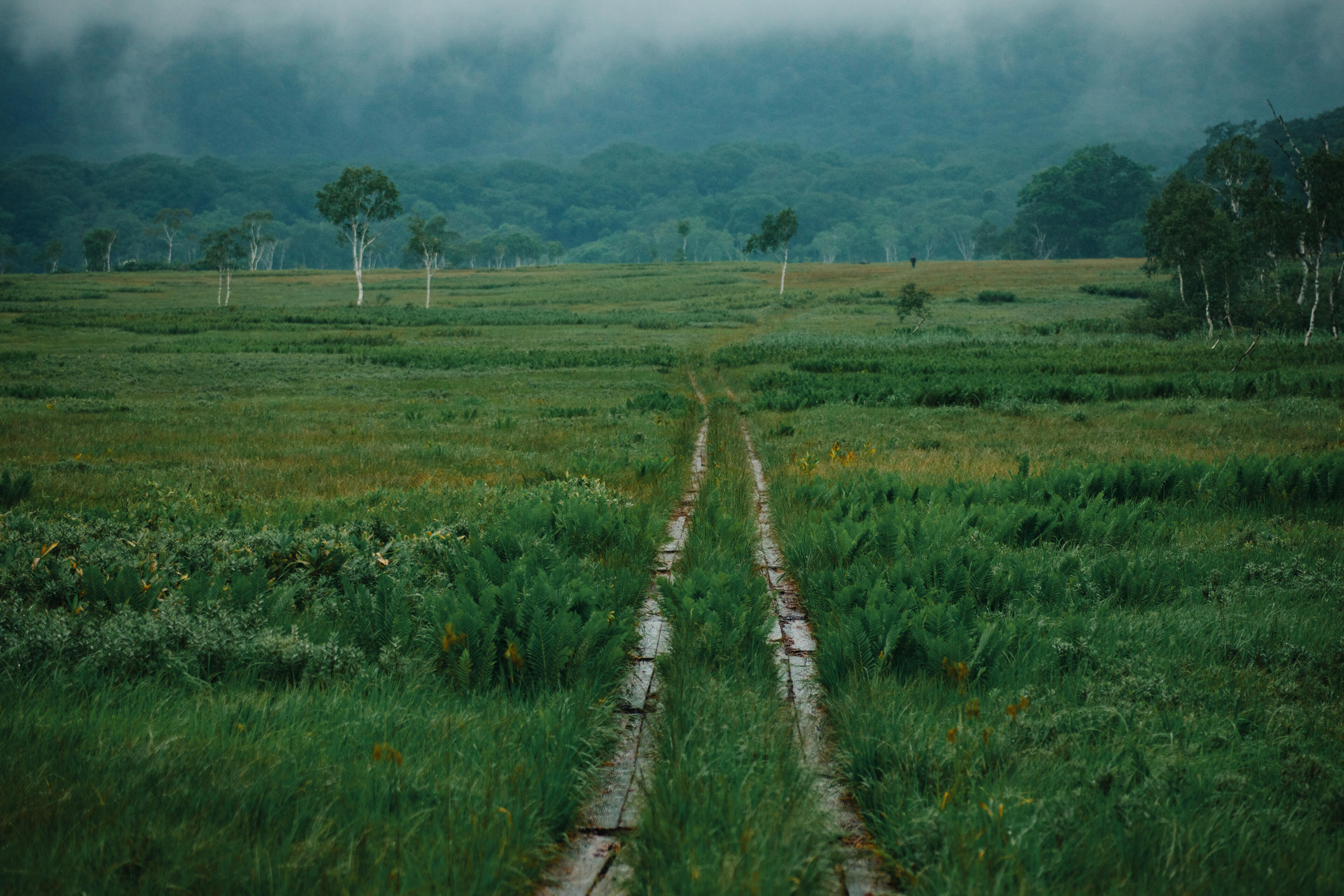
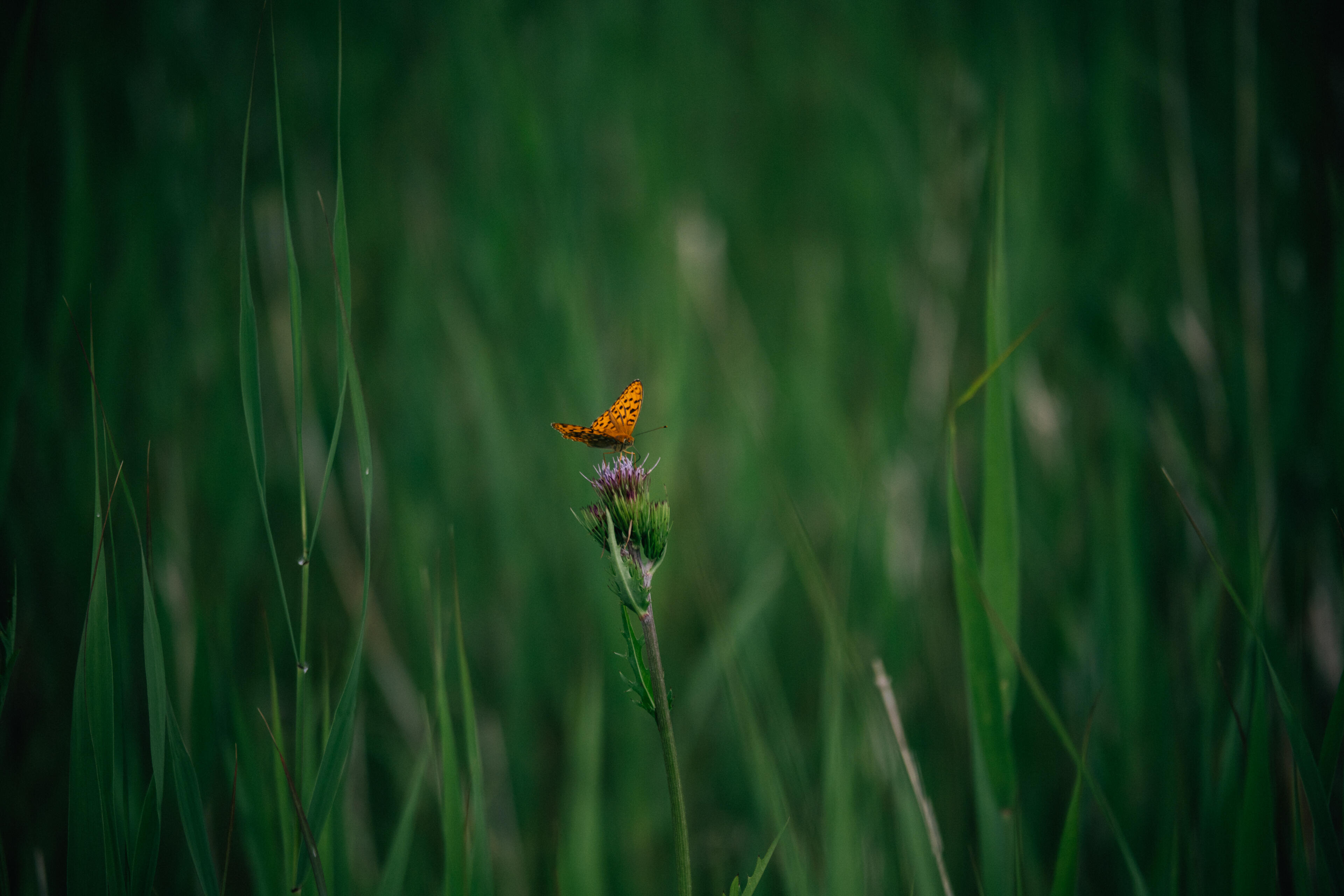
Through the lens on my camera, I captured the marshes of Ozegahara and the boardwalks that cross them. I saw its wildflowers and grasses and its insect life.

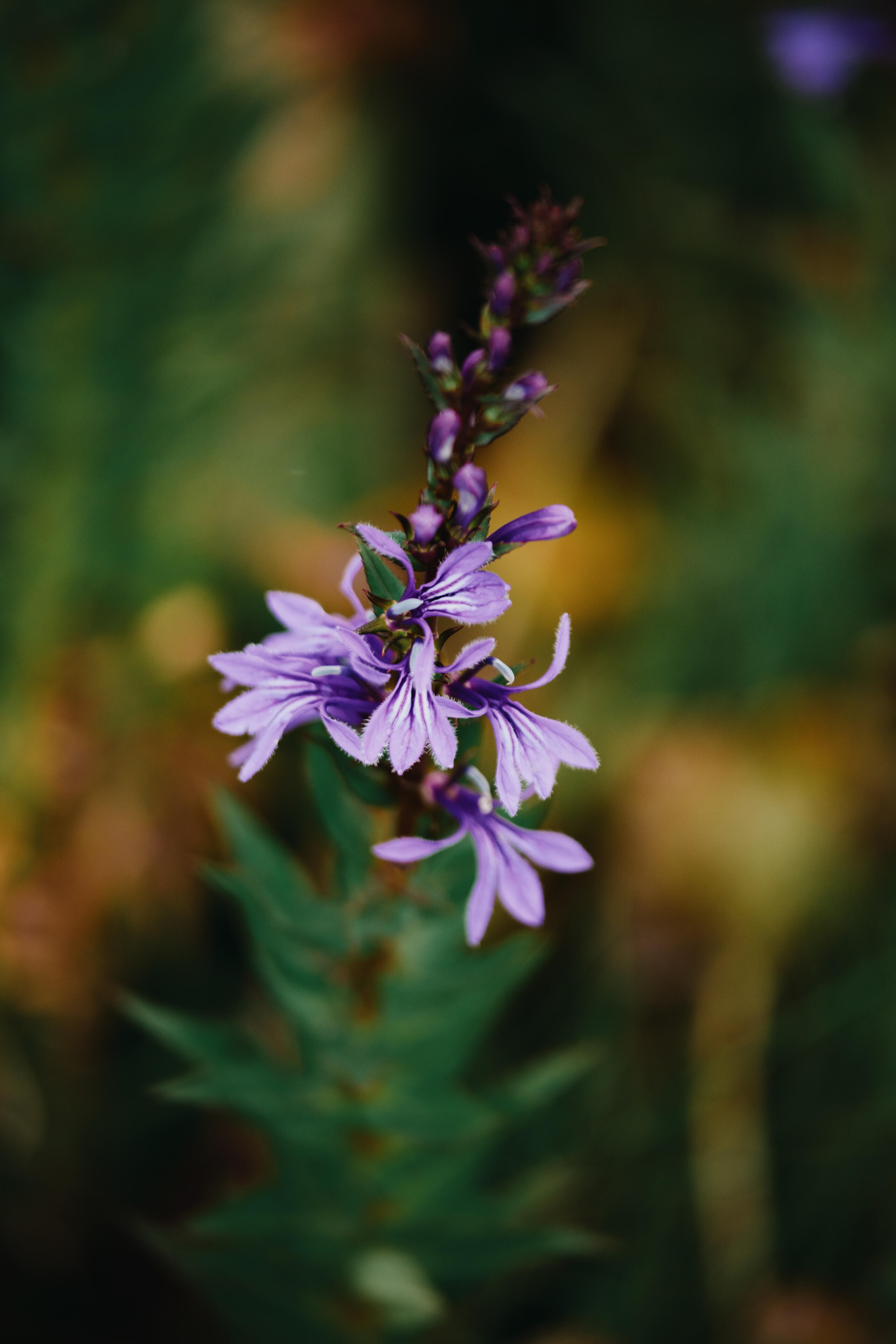
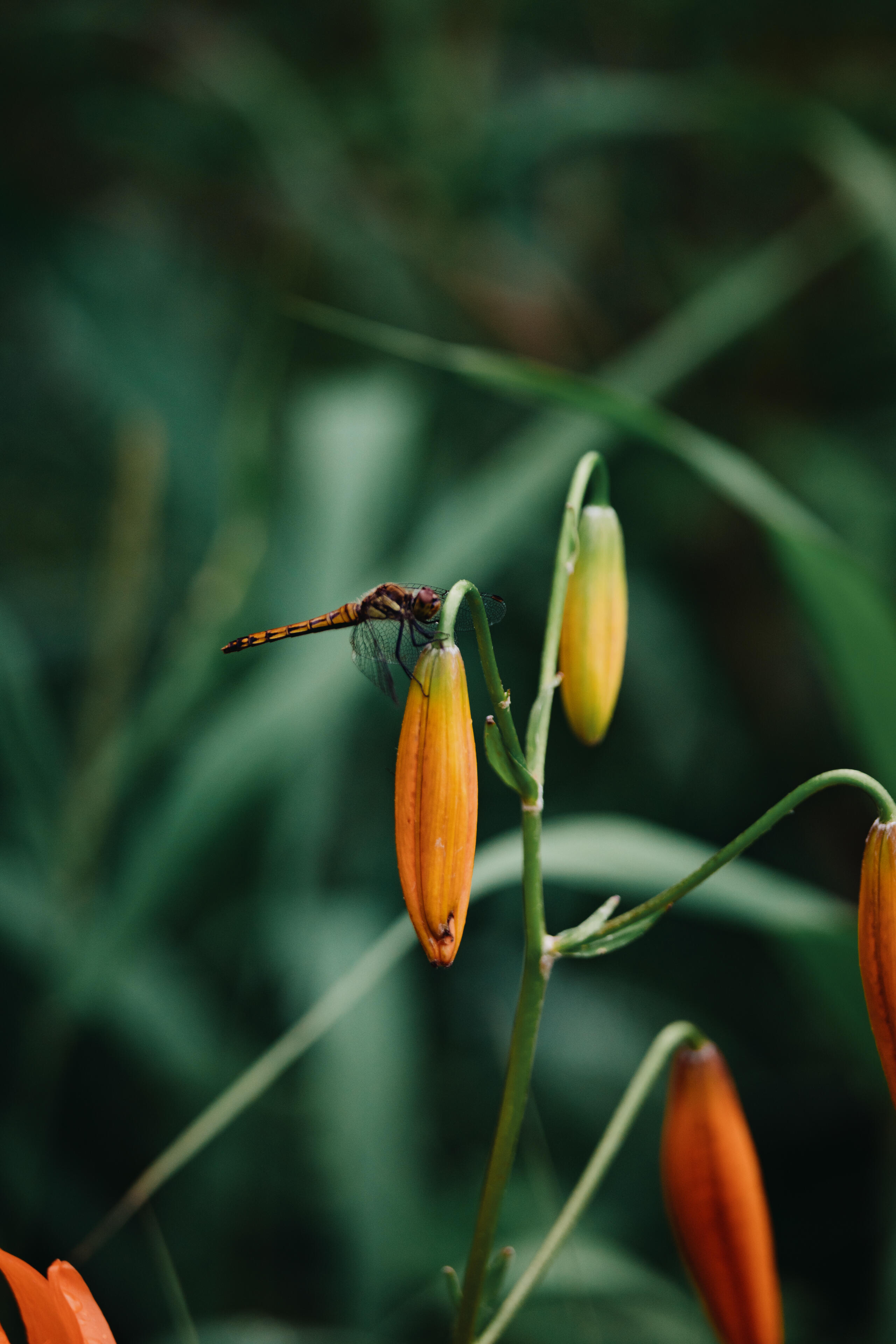
The landscape of Ozegahara has been imprinted on my memory since my elementary school days. I remember being overwhelmed by the vastness of the marshlands, but also my joy and excitement at the sheer variety of life that flourishes here.
This new lens, small enough to fit into the palm of my hand, is just right for capturing each of these small beings despite the limited footing available in the marshes.
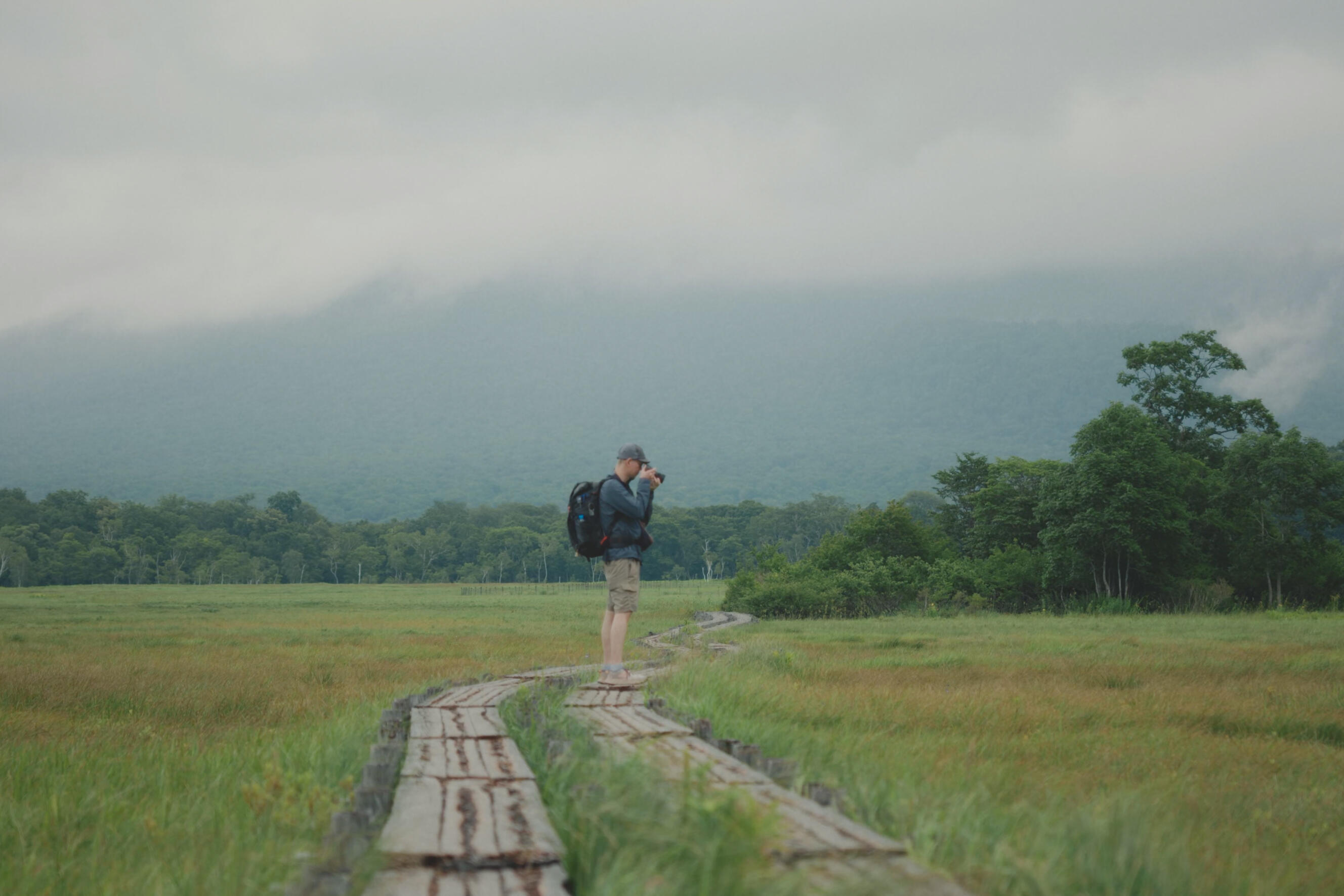
The 50–120mm with a constant aperture of F2.8 is a wonderful addition to the collection of Sigma APS-C lenses I already love to use.
With image stabilization and a minimum focusing distance of 23cm at the wide end, it weighs about 410 grams (the Canon RF mount version I’m using). My backpack tends to be overstuffed, but it fit easily and even left room for me to bring an extra lens.
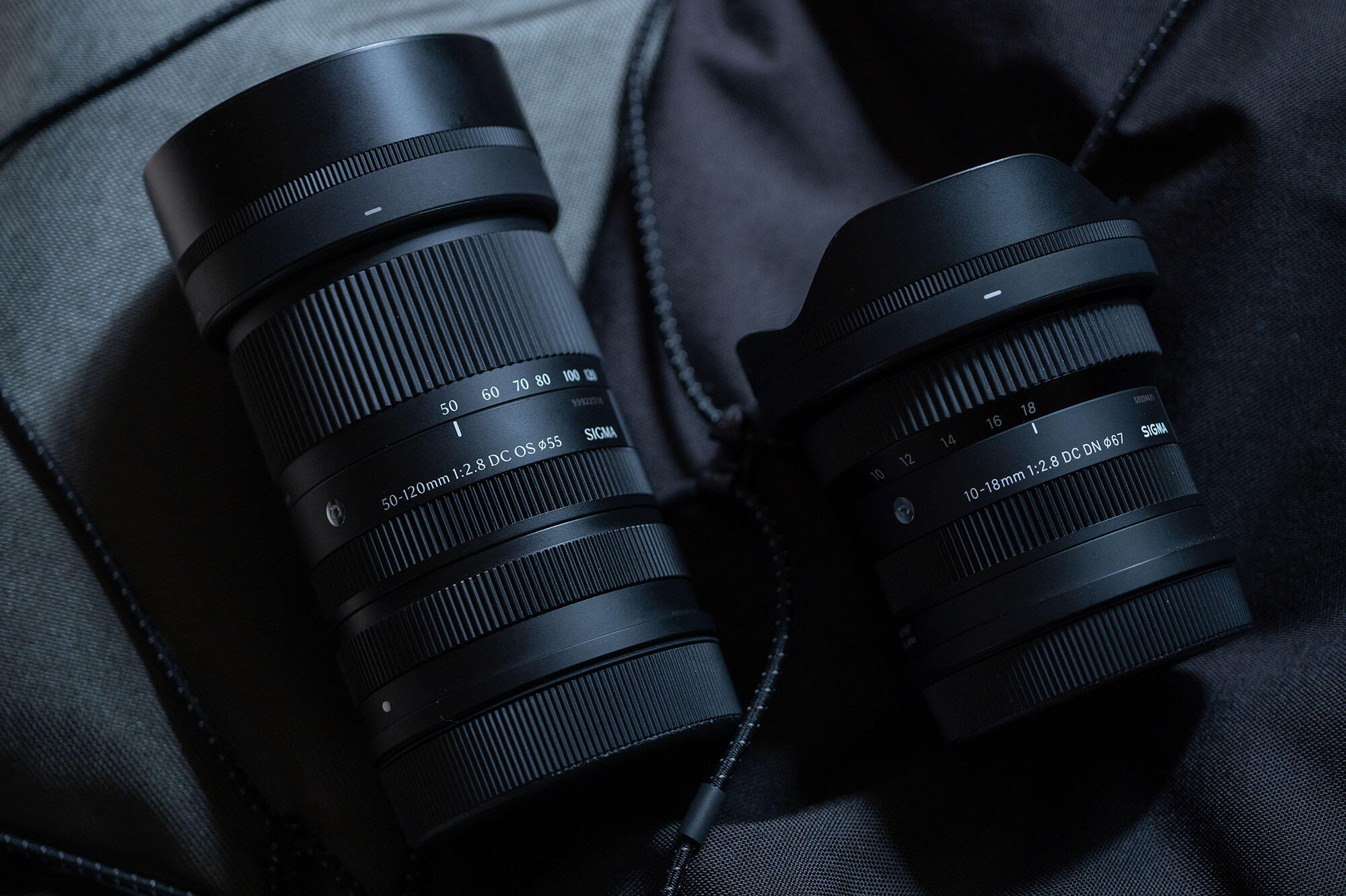
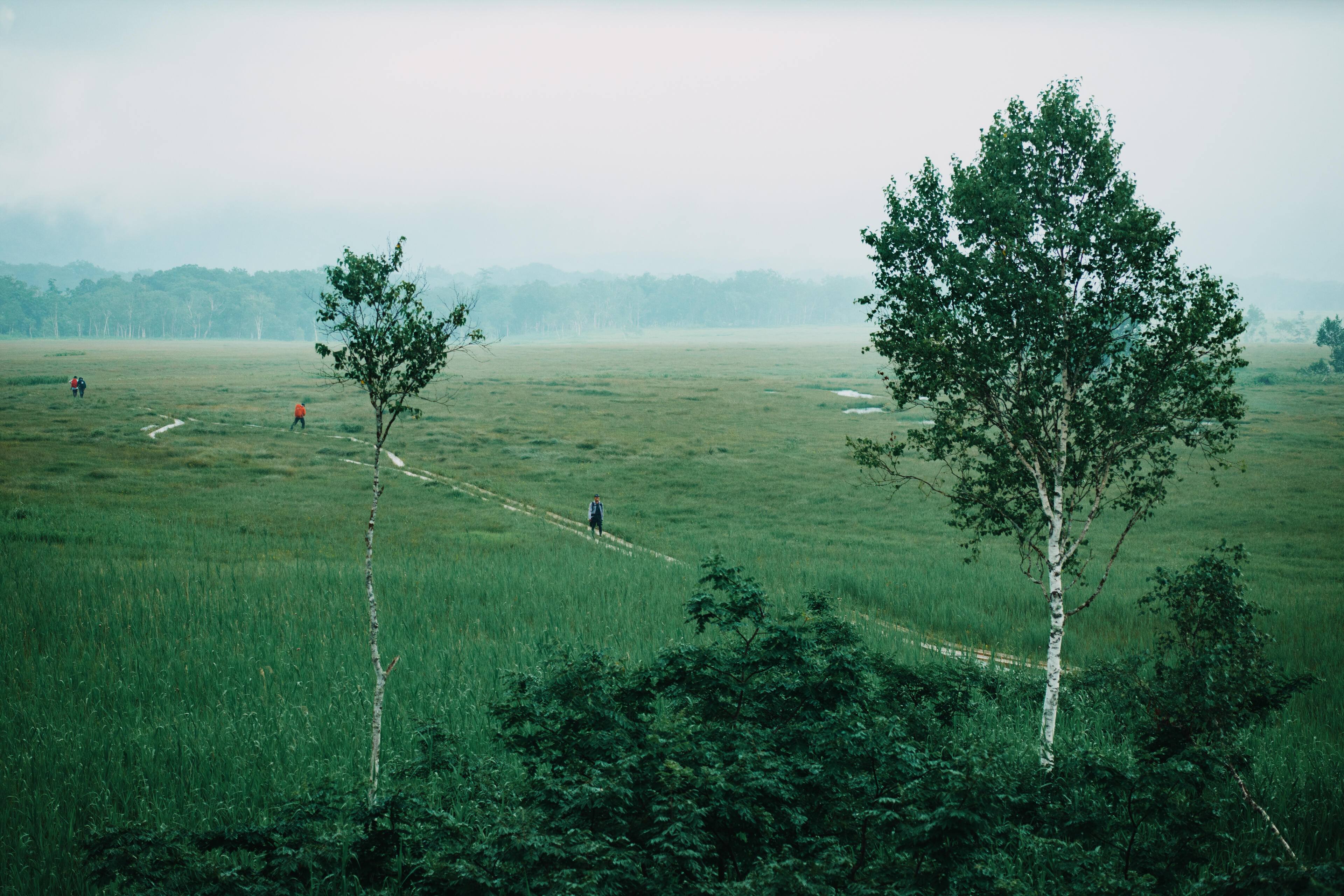
I compressed the seemingly endless boardwalks into a single frame and moved in close to the grasses, wildflowers and insects that caught my eye without ever worrying about the images turning out shaky.
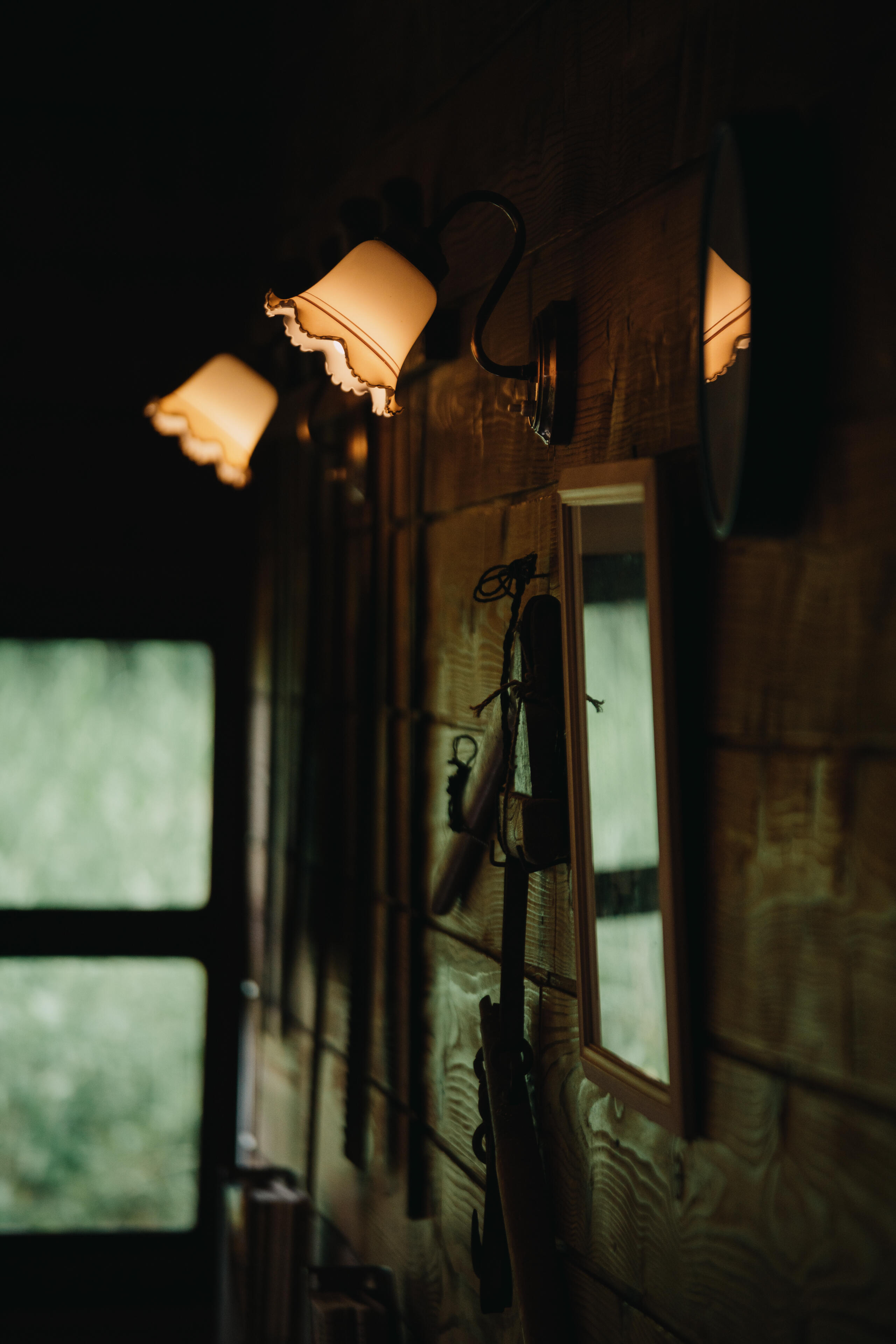
I photographed the mountain hut keeper preparing our dinner and then the aftermath on the table as we shared tea after the meal, all at just the right sense of distance.
There are situations where a standard zoom lens doesn’t suffice and a medium telephoto takes you too far away from the scene. This is where this lens thrives.




Its specs are everything I would ideally want in a lens like this, and yet, in use, it went beyond what the numbers alone suggest.
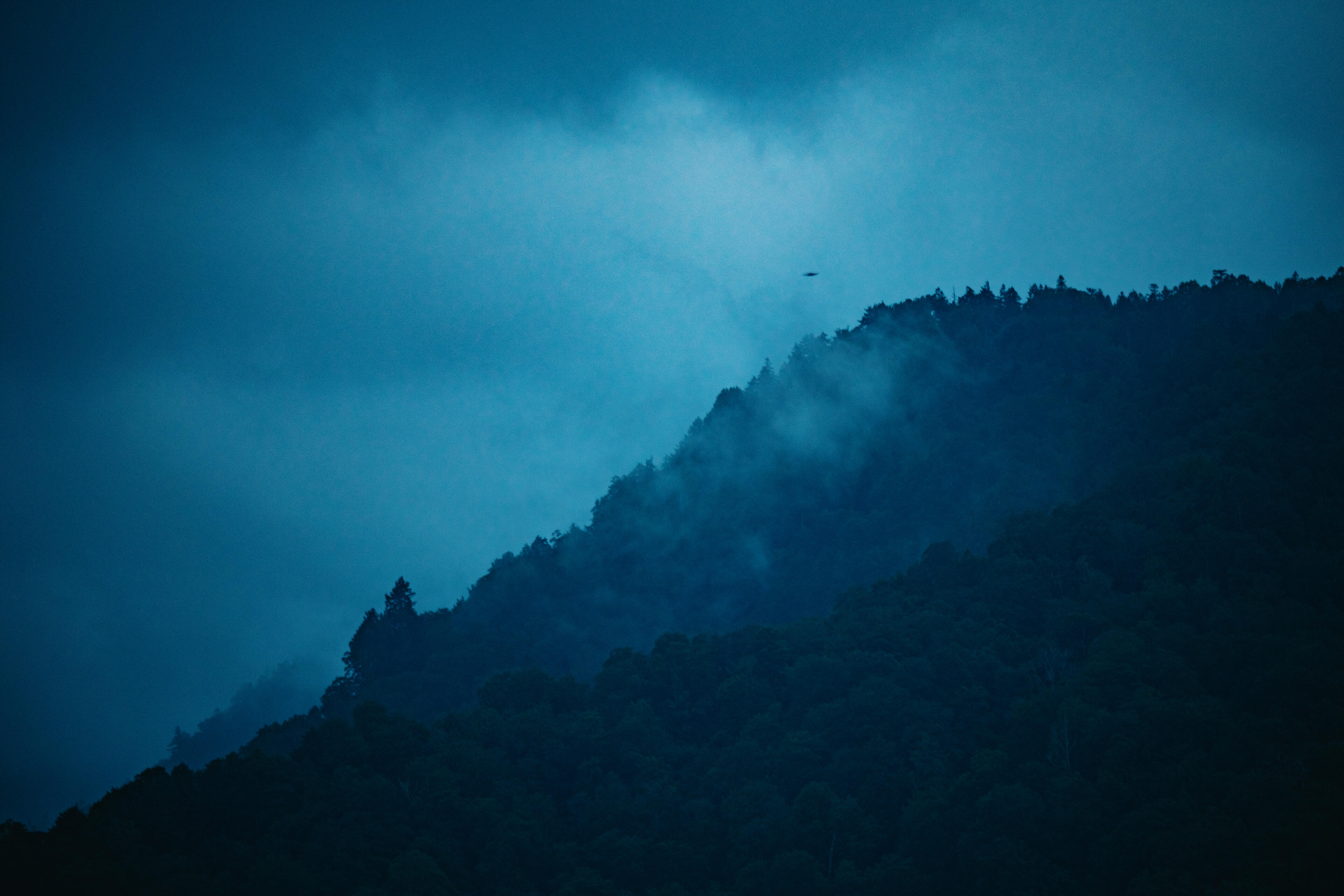
The animals’ cries have disappeared from the marshes outside, but sleep still won’t come to me. I can hear the rustling sounds of bags being prepared in the room next door.
Morning comes early in the mountain hut.
They must be preparing to go up Mt. Hiuchigatake, I think to myself. Dawn is still some time off, but I decide to get up.
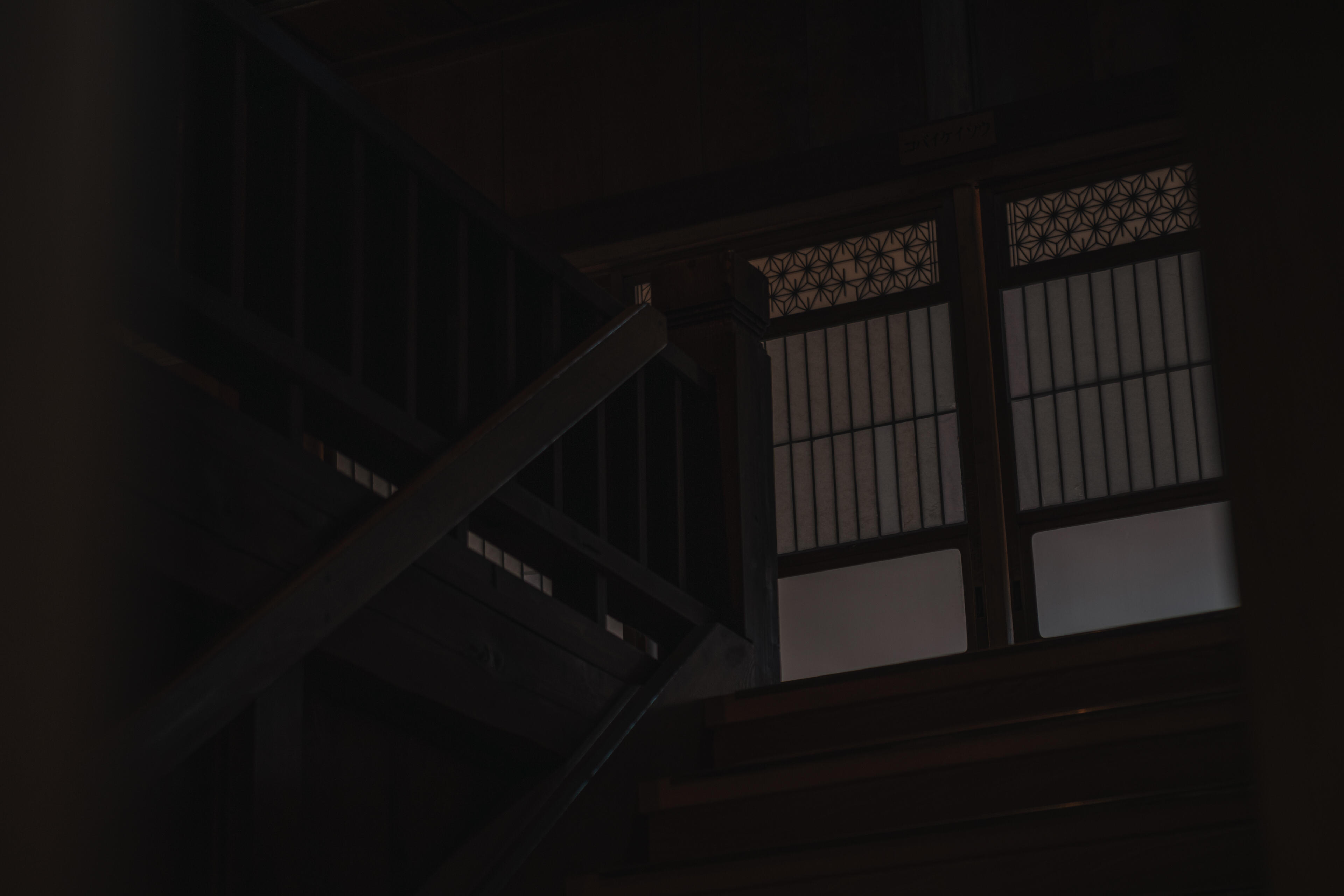
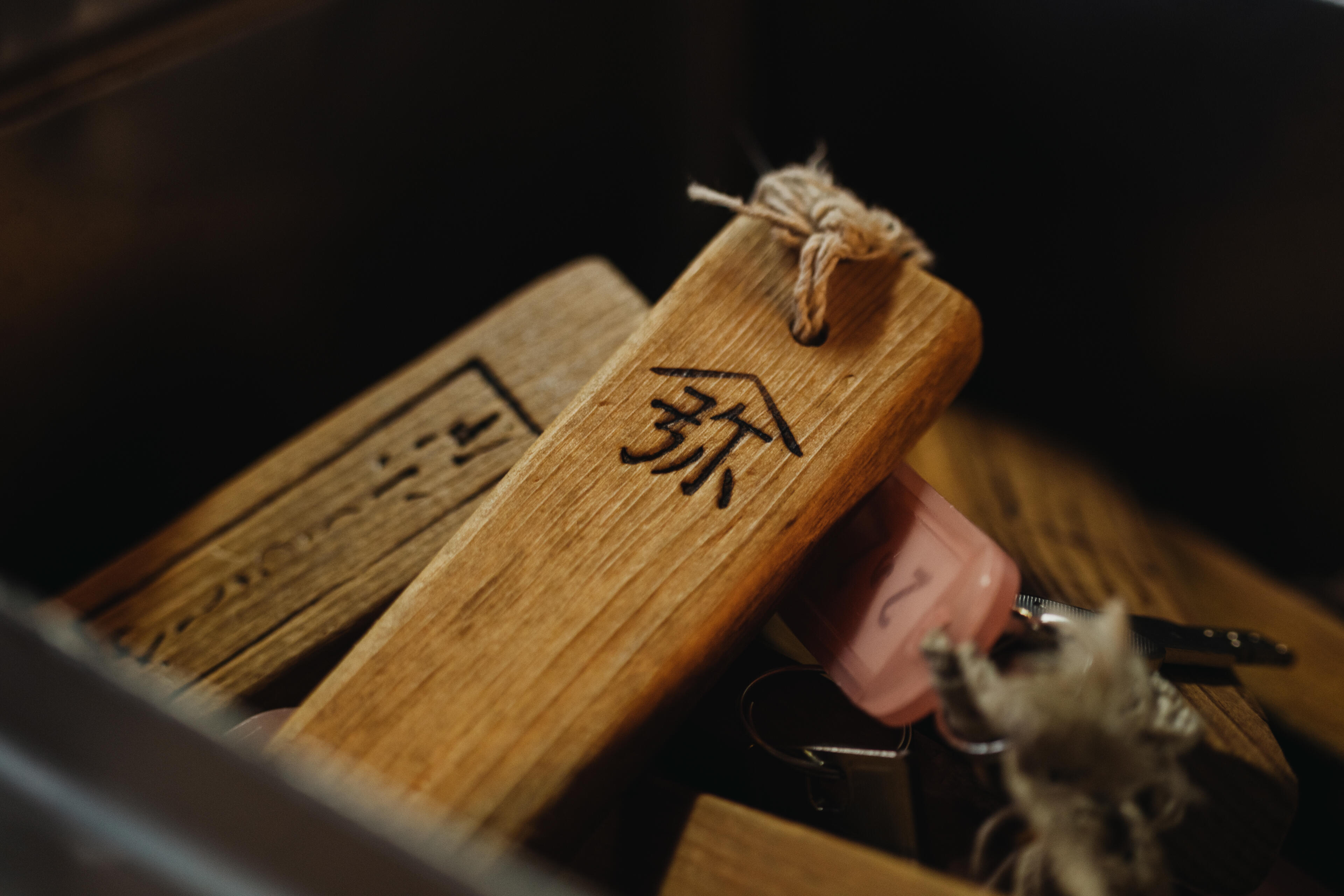
Camera in hand, I quickly make myself ready, open the worn wooden door as quietly as possible, and step outside.
It is August, yet Ozegahara’s morning air feels cold on my skin, and the high humidity that in Tokyo makes the heat unbearable here feels pleasant.
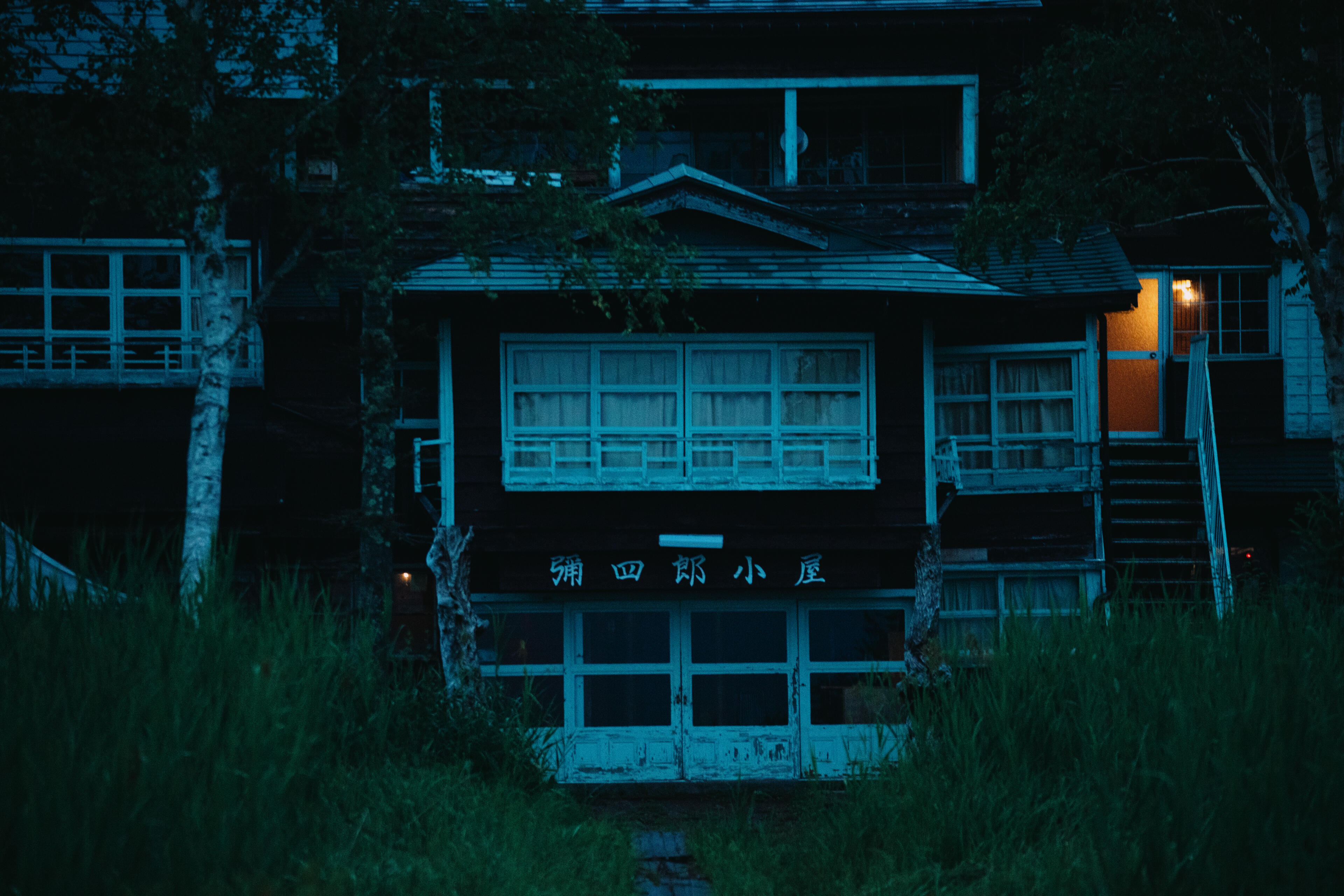
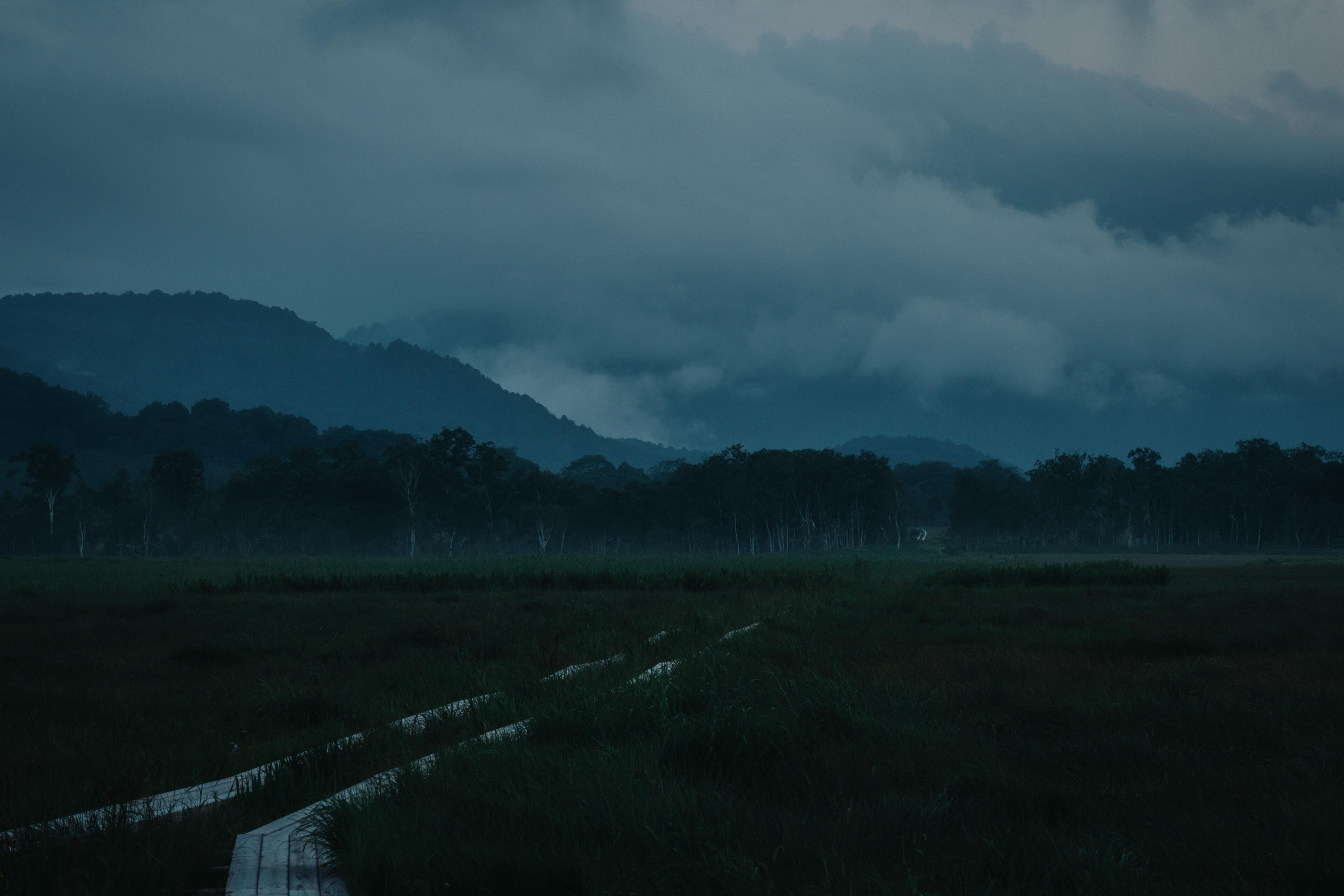
The marshes around me are quiet and veiled by morning mist. Each time I exhale my breath grows deeper. Crouching down, I discover flowers and grasses aching under the nightly dew drops and watch the mountain climbers in colorful gear hurry off towards the trailhead.
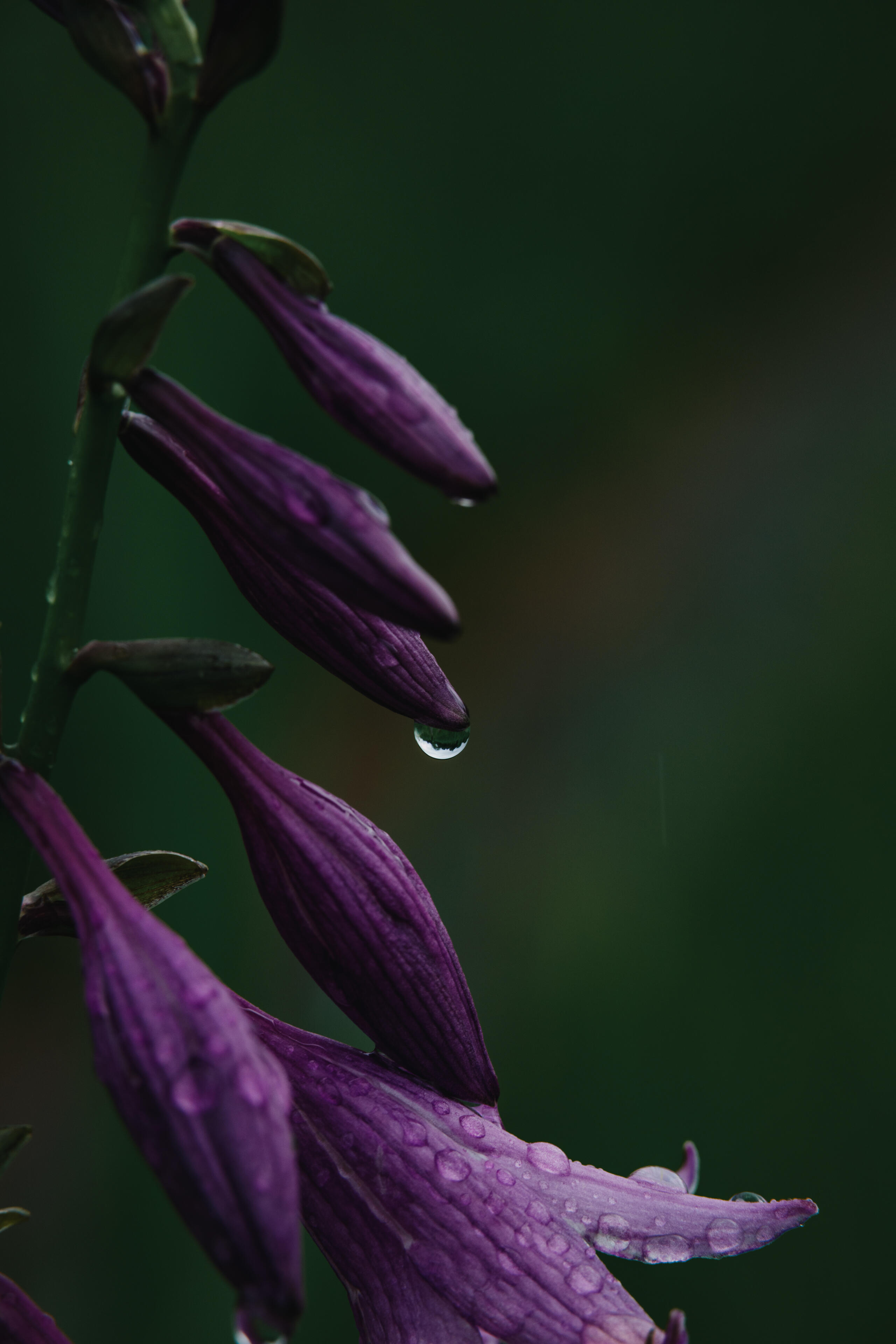
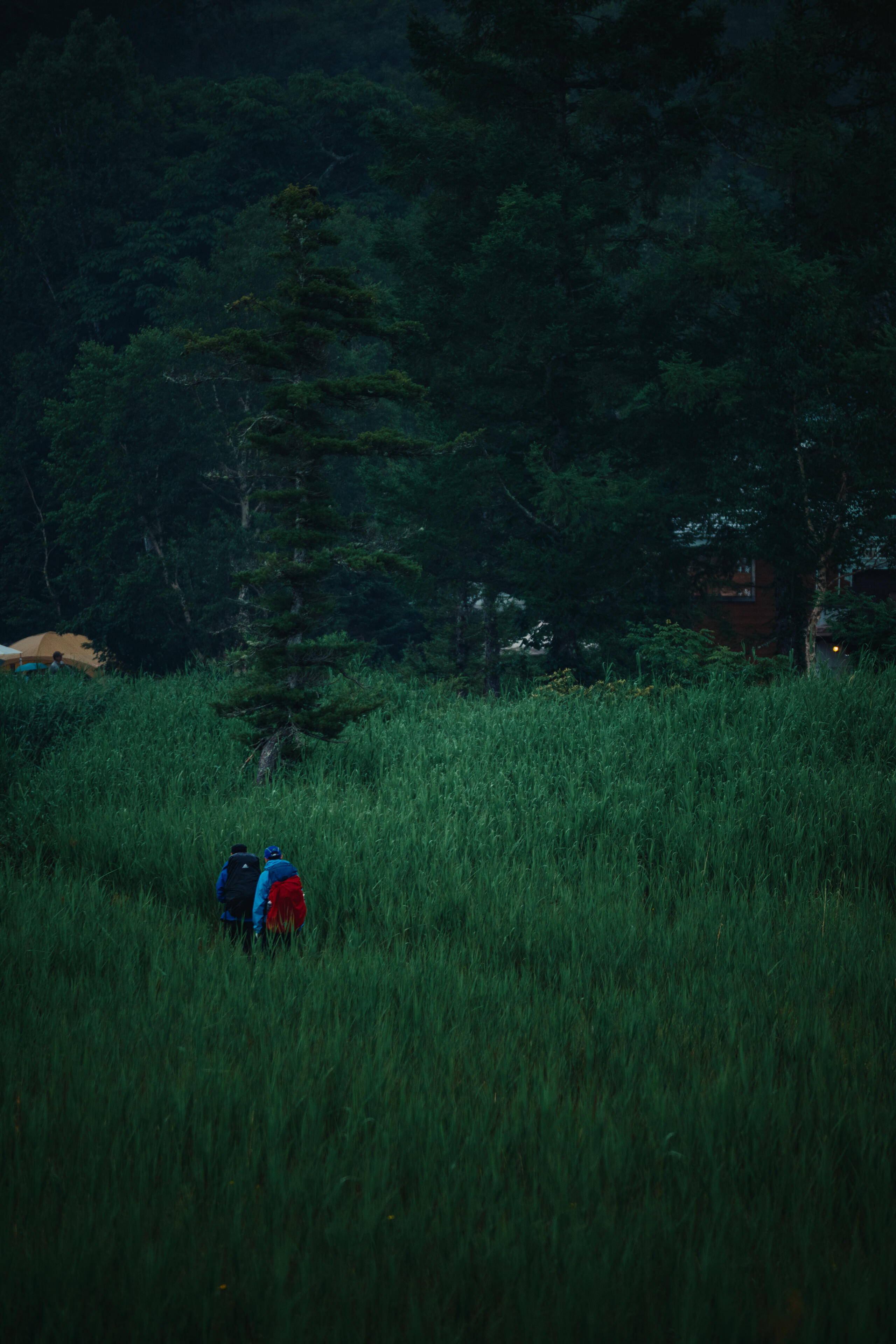
All this life around me, each different in size and scale, feels strangely equal to me. Ozegahara is a world of its own, cut off from the world below.
With the zoom ring offering my fingers just the right amount of resistance, I stay still and press the shutter, trying to keep both in focus.
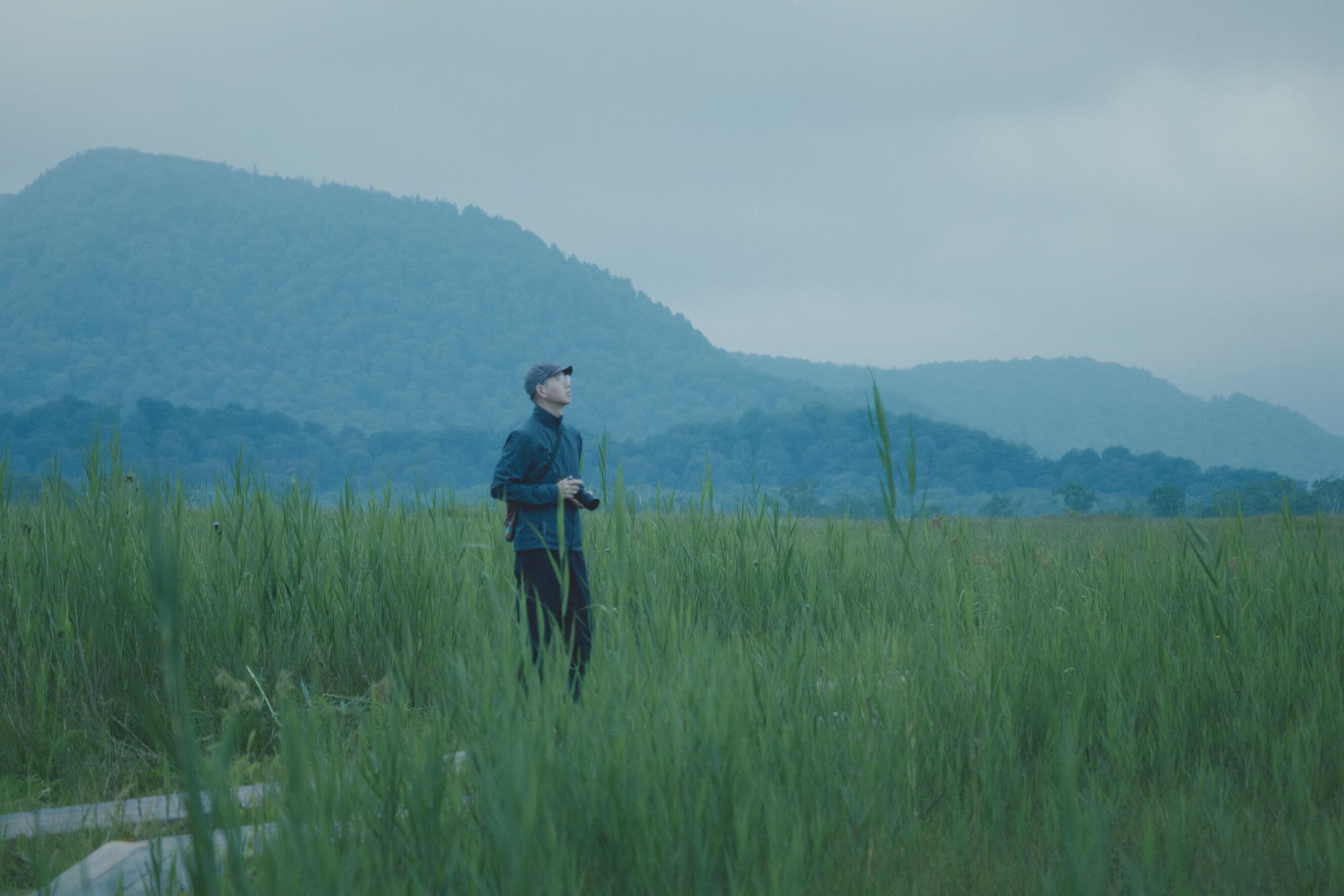
Once more, in this corner of the earth, life in all its smallest forms begins to greet the coming day.
BEHIND THE SCENES
ABOUT
NAOKI MIYASHITA
Photographer & Cinematographer
Naoki Miyashita is a photographer and cinematographer based in Tokyo and Kyoto. He takes on a wide range of projects, from documentary films to commercial branding videos, without confining himself to any particular genre, handling everything from the shoot to the final edit. In his work, he approaches subjects with an open perspective, drawing out their inherent stories and meanings, and conveys them through a unique visual style.
With the cooperation of Yashiro Lodge
EQUIPMENT USED